REVIEW · CANCUN
Birds of the Mayan World 1
Book on Viator →Operated by Gills Bioexperiences · Bookable on Viator
Birds and cenotes make a great pairing. On this half-day tour in Puerto Morelos, you follow the cenote trails with a strong birdwatching focus, keeping things low-impact while you look for wildlife in the woods.
I really like how the guides work the birds, not just the route. People have highlighted guides like Jose and Gil for spotting birds such as toucans and aracaris, and one guide-led outing included homemade breakfast plus 60+ species. The one watch-out: this is for people with moderate physical fitness, and the experience depends on good weather.
In This Review
- Birds of the Mayan World 1: Key Highlights
- Birdwatching on the Cenote Trails of Puerto Morelos
- Your 4-Hour Plan on La Ruta de los Cenotes
- Stop: La Ruta de los Cenotes
- What to expect from the walking
- What the Guides Do Differently (Jose and Gil Stand Out)
- Birdwatching Tips That Actually Help You Enjoy It
- Low-Impact Tourism on Cenote Trails: Why It Matters
- Private Tour Perks: Getting More from the Same 4 Hours
- Pickup, Mobile Tickets, and Getting There Without Stress
- Who Should Book This Tour (and Who Might Skip It)
- Price and Value: What You’re Really Paying For
- Weather and Timing: The Real-World Factor
- Should You Book Birds of the Mayan World 1?
- FAQ
- FAQ
- Where does the tour start and end?
- How long is the Birds of the Mayan World 1 tour?
- Is pickup included?
- Is this tour private?
- What language is the tour offered in?
- Is a mobile ticket used?
- What fitness level do I need?
- When does it run?
- Does the tour require good weather?
- What’s the cancellation policy?
Birds of the Mayan World 1: Key Highlights

- Birdwatching on cenote trails: you’re walking in habitat that actually supports a lot of bird activity.
- Low-impact tourism approach: the experience is framed to protect what you’re observing.
- Guides who hunt the sightings: guides like Jose and Gil are praised for being friendly and very good at finding birds.
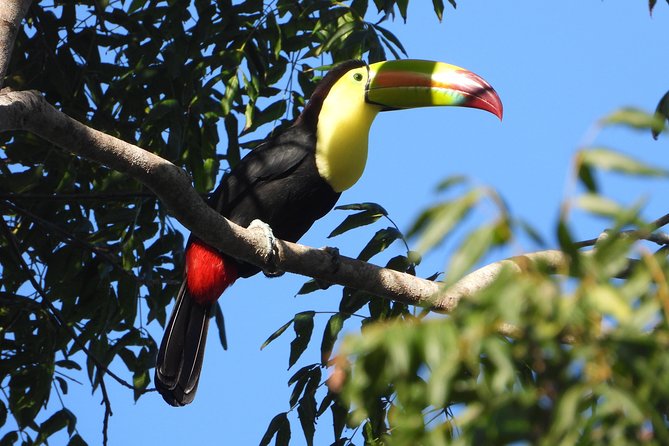
- Toucans and aracaris are on the menu: not guaranteed, but they’ve been seen on this route.
- A longer-than-expected half-day: about 4 hours, with time to stop, watch, and learn.
Birdwatching on the Cenote Trails of Puerto Morelos
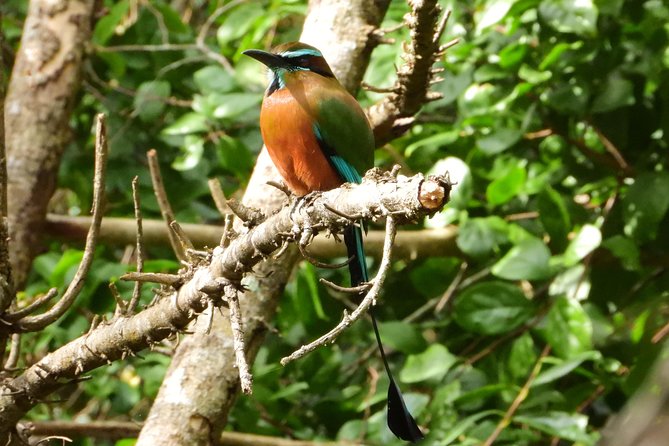
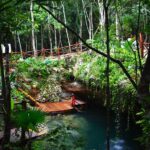
If you like nature walks but you also want a payoff you can point to, this tour hits the sweet spot. The route is set along trails connected to the La Ruta de los Cenotes area in Puerto Morelos, and the whole point is to watch birds where they live—around forest edges, paths, and water-linked habitat.
What makes it especially appealing for bird lovers is the way the birdwatching is built into the walking plan. You’re not just strolling and hoping something flies by. The format is designed so your guide can scan, interpret, and pull you toward spots where birds are more likely to show up. That’s the difference between a casual walk and a guided wildlife experience.
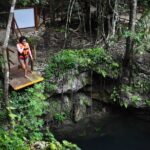
The cenotes context matters too. This region isn’t just a pretty landscape (literal water plus surrounding jungle), it’s part of an ecosystem that brings birds into view—sometimes in bursts, sometimes with slow, patient movement. Expect the pacing to reflect that: stop, look, listen, then move again.
You can also read our reviews of more tours and experiences in Cancun.


Your 4-Hour Plan on La Ruta de los Cenotes
This is a private tour (only your group), running about 4 hours. The activity ends back where you start, so you’re not dealing with complicated drop-offs or transfers.
The schedule you’ll likely work around is an afternoon slot: Monday hours list a start window around 4:00 PM to 4:30 PM. That timing is handy if you want daytime humidity reduced a bit and a more comfortable pace for walking and watching.
Stop: La Ruta de los Cenotes
You’ll begin at Caoba 971, Joaquín Zetina Gasca, 77580 Puerto Morelos, Q.R., Mexico. From there, the tour follows the cenote trail route and focuses on birdwatching all along the way. Even though only one formal stop is listed, the experience can involve multiple watch points—one guide-led outing referenced going to three different locations during the half-day.
Here’s what this means for you in practical terms:
- You’ll have chances to pause and scan instead of rushing through the area.
- The “cenote route” idea suggests you’ll be moving through different micro-areas along the trails, which can help with bird variety.
- You get guided effort that’s meant to translate into real sightings, not just background noise.
What to expect from the walking
The tour calls for moderate physical fitness. That’s your cue that you should be ready for uneven trail moments, time spent standing still, and a walk that’s more than a flat stroll. If you’ve done light-to-medium nature walks before, you’ll probably be fine. If you’re expecting an easy, fully paved path, you might find it more active than you hoped.
What the Guides Do Differently (Jose and Gil Stand Out)
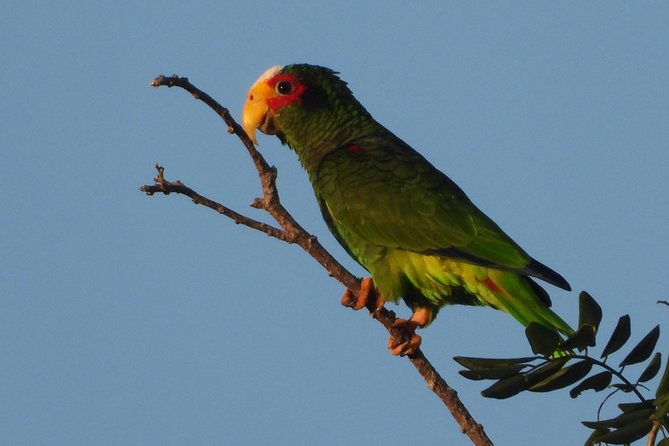
A good guide can make or break a birdwatching tour. The standout theme here is that the guides are known for being friendly and highly effective at spotting birds.
Two names come up clearly: Jose and Gil.
- Jose is highlighted for being both knowledgeable and personable, with sightings including toucans and aracaris. That matters because these birds often aren’t the easiest to find without the right scanning habits.
- Gil is praised for taking people to multiple locations and for providing homemade breakfast, alongside reports of 60+ species seen.
Now, let’s keep it honest: wildlife sightings aren’t guaranteed. But when multiple people report similar outcomes, it usually points to a guide who understands where birds show up and how to work the timing and the habitat.
If you want to feel like you’re learning something while you watch, this style of guiding is a big plus. It turns the experience into a kind of field lesson you can actually use, not a lecture you have to endure.



Birdwatching Tips That Actually Help You Enjoy It
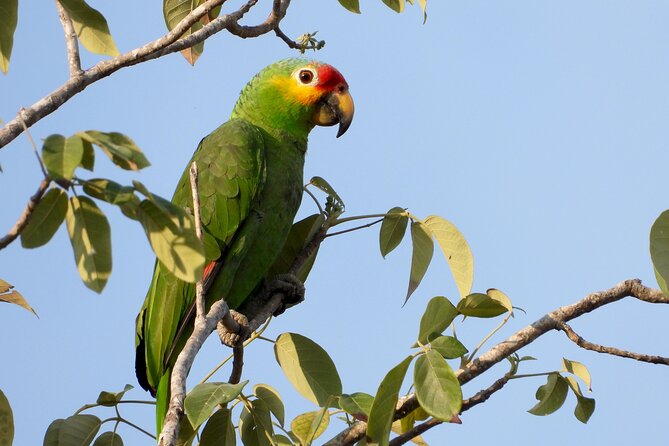
You don’t need to be a hardcore birder to get value here. But a little readiness helps you see more—and enjoy the pauses.
Bring what keeps you comfortable:
- Closed-toe shoes for uneven paths
- Light layers, since late afternoon can feel different from the morning
- A hat and sunscreen, because you’ll still be outdoors
Bring what helps you watch:
- If you have it, bring binoculars. The tour is designed for bird viewing, so you’ll get more from the experience with a closer look.
- Keep expectations realistic: birds can be silent for stretches. The guide’s job is to read the habitat and bring you to chances, so staying patient is part of the deal.
If you’re new to birdwatching, the best mindset is simple: focus on movement and sound before you focus on color. A guide who’s scanning actively can turn small clues into sightings. That’s where a good birdwatching tour earns its value.
Low-Impact Tourism on Cenote Trails: Why It Matters
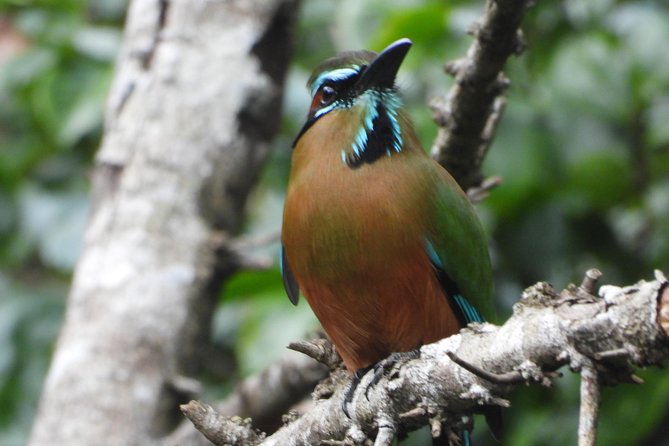
The tour is described as taking care with low-impact tourism. That might sound like marketing wording, but it’s still a meaningful choice for this kind of outing.
Here’s what low-impact usually translates to on the ground:
- You stay on trails and use a route that reduces disruption to habitat.
- You’re less likely to have a chaotic group stomping through fragile areas.
- Your guide can manage pacing so wildlife isn’t constantly disturbed.
And because you’re birdwatching, that’s not a small detail. Birds notice disturbance quickly. When an experience is mindful, you have a better chance of seeing birds behave naturally—feeding, calling, moving through branches—rather than just noticing they fled.
Private Tour Perks: Getting More from the Same 4 Hours
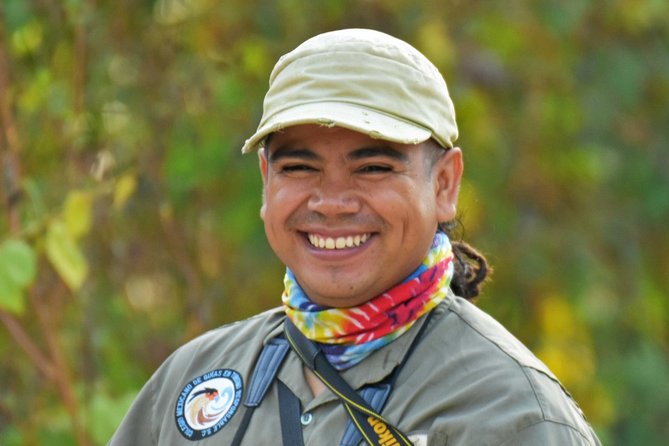
This is a private tour/activity, so only your group participates. That matters more than it might sound.
With a private format, you typically get:
- More control over the pace (slow down when birds show, move when needed)
- More chances to ask questions and get direct answers
- Less pressure to keep up with strangers while you’re trying to scan trees and listen
If you’re traveling with kids who can handle short pauses, or if you’re a solo traveler who wants a guide to focus fully on you, private tours can be the better fit.
Pickup, Mobile Tickets, and Getting There Without Stress
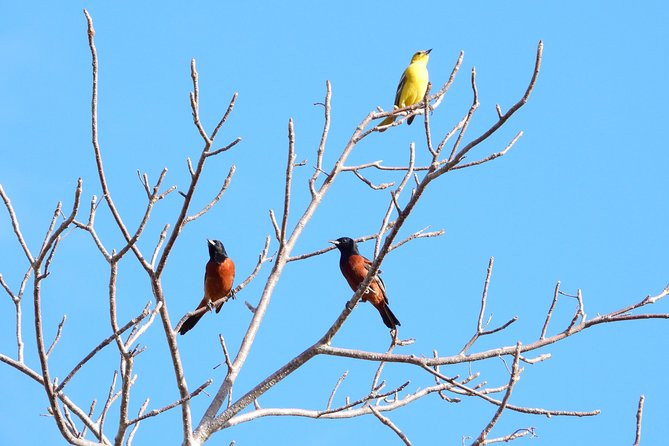
The tour offers pickup, which is a practical win if you don’t want to wrestle with taxis right before you head out for nature time. It also uses a mobile ticket, so you’re not hunting for paper receipts.
I’d still plan to arrive a few minutes early at Caoba 971. Even with pickup, it helps to confirm you’re ready so the guide can start the birdwatching portion on time. In a 4-hour tour, those early minutes matter.
Who Should Book This Tour (and Who Might Skip It)
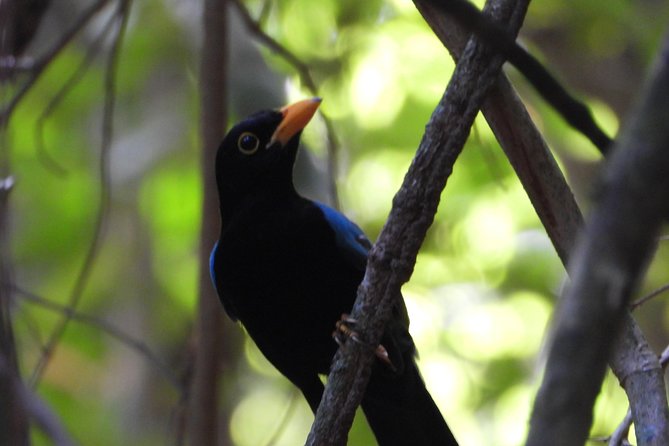
This tour is a great match if you:
- want birdwatching tied to real habitat, not just a casual nature walk
- enjoy learning outdoors with a guide who actively finds wildlife
- like the idea of combining cenote trails with a guided wildlife focus
You might consider skipping or adjusting expectations if you:
- have trouble with moderate physical fitness walking and standing still
- are very sensitive to weather changes (the experience requires good weather)
If you’re in Cancun and you want something more grounded in nature than beaches and nightlife, this is the kind of outing that gives you a different side of the region.
Price and Value: What You’re Really Paying For
No price is given in the details here, so I can’t run exact numbers. But I can tell you where the value usually comes from on a tour like this.
You’re paying for:
- a guide who can locate birds and manage watch points along the cenote trails
- a structured 4-hour window that doesn’t waste time wandering
- a private group setup, which reduces friction and increases attention
The reported sightings—like toucans and aracaris—plus the possibility of 60+ species on an outing show what “good guiding” can turn into. Even if you don’t hit those same tallies in every session, the goal is that you leave with better bird viewing and better context than you’d get on your own.
Weather and Timing: The Real-World Factor
This experience requires good weather. If weather is poor, you may be offered a different date or a full refund. That’s not a downside; it’s actually a smart safety and comfort rule for trail walking and wildlife watching.
Also, because the tour has an afternoon window (Monday listed around 4:00 PM to 4:30 PM), you’ll want to plan your day so you’re not rushing. Late-day outings are best when you can take the slow moments too.
Should You Book Birds of the Mayan World 1?
Book it if you want a half-day nature outing with a clear purpose: birdwatching on cenote trails, led by guides who know how to find and spot birds (people specifically mention Jose and Gil). It’s especially appealing if you like private attention and you’re comfortable with moderate trail walking.
Don’t book it if you expect a super easy, fully paved walk or if you can’t be flexible with weather-related changes. The whole experience runs outdoors, and the viewing depends on conditions.
If you’re the type who likes to return home with real stories—toucans, aracaris, lots of calls in the trees—this is the kind of tour that can deliver.
FAQ
FAQ
Where does the tour start and end?
It starts at Caoba 971, Joaquín Zetina Gasca, 77580 Puerto Morelos, Q.R., Mexico, and it ends back at the meeting point.
How long is the Birds of the Mayan World 1 tour?
The duration is approximately 4 hours.
Is pickup included?
Pickup is offered.
Is this tour private?
Yes. It’s a private tour/activity, and only your group will participate.
What language is the tour offered in?
It is offered in English.
Is a mobile ticket used?
Yes, a mobile ticket is used.
What fitness level do I need?
Travelers should have a moderate physical fitness level.
When does it run?
Opening hours listed include Monday from 4:00 PM to 4:30 PM.
Does the tour require good weather?
Yes. It requires good weather.
What’s the cancellation policy?
Cancellation is free. You can cancel up to 24 hours in advance for a full refund, and changes made less than 24 hours before the start time aren’t accepted.