REVIEW · CANCUN
Birds of the Mayan World 2 / Route of the cenotes
Book on Viator →Operated by Gills Bioexperiences · Bookable on Viator
Birds have a way of cutting through vacation noise. This one focuses on Riviera Maya bird watching along low-impact trails, with extra attention to endemic species in the Cancun–Puerto Morelos area. I like that it feels like a slow, careful walk where you’re not just chasing sightings, you’re learning how birds use the habitat around you.
Two things I really like: first, you get strong, practical guidance for spotting birds in thick brush, including a gentle approach to finding them. Second, the tour includes Mayan plant context, so the nature walk turns into more than bird counting.
One consideration: this is not a rapid-fire checklist sprint. If your goal is max species in minimum time, you’ll want to be ready for a relaxed pace, especially later in the day or in rainy weather.
In This Review
- Key highlights you should care about
- Birding from Puerto Morelos, not the Hotel Zone
- Where you start (and why meeting point matters)
- Trails, biodiversity, and the low-impact way to watch birds
- The “Route of the Cenotes” feel, even if the focus stays on birds
- Spotting tools: binocular skill and a gentle laser pointer
- José Gil Paz Gutiérrez: birding plus Mayan plant stories
- What counts as a win: eBird logging and species variety
- Pace and weather: why an evening tour can still work
- Food, comfort, and staying fueled on a 4-hour outing
- Price and value: what you’re really paying for
- Should you book Birds of the Mayan World 2
- FAQ
- How long is the Birds of the Mayan World 2 / Route of the cenotes tour?
- Is pickup offered, or do I need to meet at the start point myself?
- Is this tour private?
- What language is the tour offered in?
- What fitness level do I need?
- Where does the tour start and end?
- How does the tour handle bird lists during the experience?
- What happens if weather is bad?
- One last decision tip
Key highlights you should care about

- Private group tour with pickup offered, so you’re not stuck with a mismatched crowd
- Low-impact trail style that prioritizes watching and not disturbing wildlife
- Real-time eBird checklist with an email sent after the tour
- Laser pointer technique that helps you see birds without pushing them around
- Mayan plant knowledge tied to everyday uses like medicine and cooking
- Meal support with a light breakfast and tacos for lunch (when included on your outing)
Birding from Puerto Morelos, not the Hotel Zone
If you’ve spent any time around the Cancun hotel strip, you know the difference. The pace is faster, the crowds are louder, and wildlife has less room to do its thing. This tour shifts you into Riviera Maya trail country near Puerto Morelos, where birds can be part of the background instead of a rare event you rush for.
What makes it interesting is the mix. Yes, the main goal is bird watching. But you also get context for what you’re seeing: the plants, the habitat, and why certain species show up where they do. That makes each stop feel earned instead of random.
And there’s an extra emotional payoff. Birding turns quiet fast when you’re tracking calls, scanning moving leaves, and trying to stay still enough to notice the pattern. Even people who don’t think of themselves as birders tend to leave with a different kind of attention.
You can also read our reviews of more tours and experiences in Cancun.


Where you start (and why meeting point matters)
The experience starts at Flamboyán, SMZ 18, 77580 Puerto Morelos, Q.R., Mexico. It ends back at the same meeting point, which simplifies your evening or afternoon plans.
Pickup is offered, which is huge value in this part of Mexico. It saves you from figuring out local transport on short notice, and it reduces the stress of being on time. The tour is also listed as a private activity, so it’s just your group.
You’ll want moderate physical fitness for the walking involved. Nothing here is marketed as a rugged expedition, but this is still a nature walk with time spent scanning and moving along trails.
Timing note: the listing shows Monday hours from 4:00 PM to 4:30 PM for the available season window. Many birders know early morning is best for action, so if you’re choosing an evening slot (or you’re just not a sunrise person), be open to different bird behavior. You might see fewer birds, but the ones you do catch can be very memorable.
Trails, biodiversity, and the low-impact way to watch birds
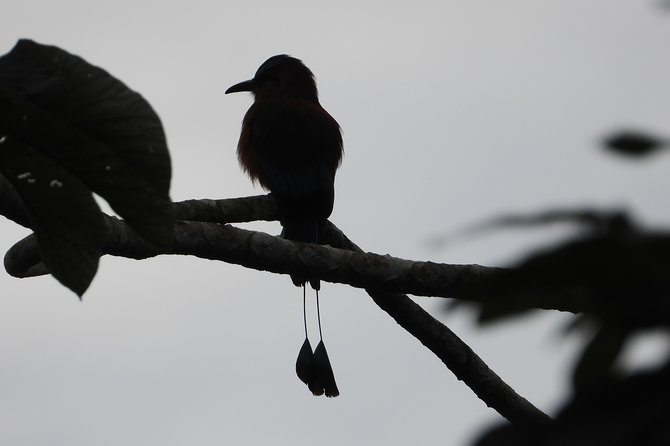
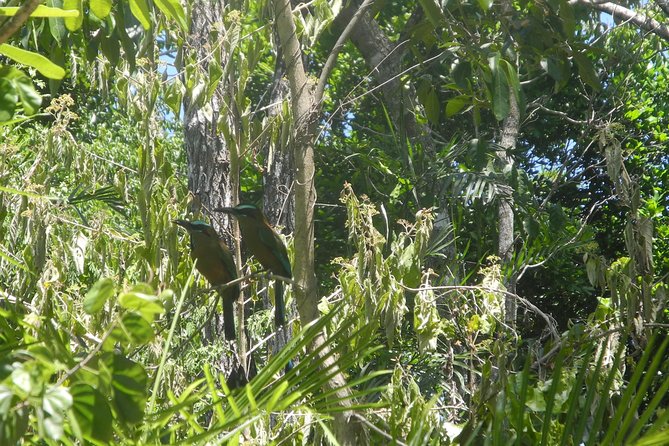
This isn’t a “get out, point at trees, good luck” kind of tour. The focus is on trails rich in biodiversity, with a deliberate emphasis on bird watching. The tour description also calls out low-impact tourism, which usually means you’re spending time observing rather than trampling through every patch of vegetation.
On the ground, that low-impact style matters because birds don’t just sit where you want them to. They respond to movement, noise, and human pressure. When you’re careful, you keep more of the day’s natural rhythm intact, and that often improves your odds.
Another detail I like: you’re not only learning about birds as isolated creatures. You’re learning how birds connect to the flora and fauna around the trails. That matters for you because it helps you predict where to look next. Instead of restarting the search every time you miss a sighting, you start building a mental map of the habitat.
The “Route of the Cenotes” feel, even if the focus stays on birds
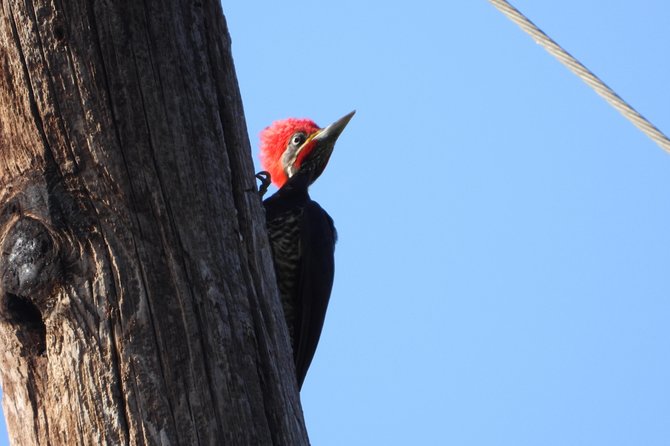
The tour name includes Route of the cenotes, so you’ll be in cenote country in the Riviera Maya region. Even when the schedule centers on bird watching (and that’s what matters most), cenote landscapes often come with specific habitat vibes: moisture, shade, and micro-areas where plants and insects thrive.
For birding, that kind of environment can translate into more activity concentrated in certain spots. You may notice that some bird activity pops near water-influenced areas or where vegetation stays denser. You’re not being sold on cenotes as a swim-and-snorkel day here; the cenote reference works more like a location cue that you’re in the right ecological zone.
So, if you’re hoping for classic cenote swimming, this likely won’t replace a dedicated cenote tour. But if you want a bird-focused outing in the exact kind of landscape where birds actually live and feed, the naming makes sense.
Spotting tools: binocular skill and a gentle laser pointer
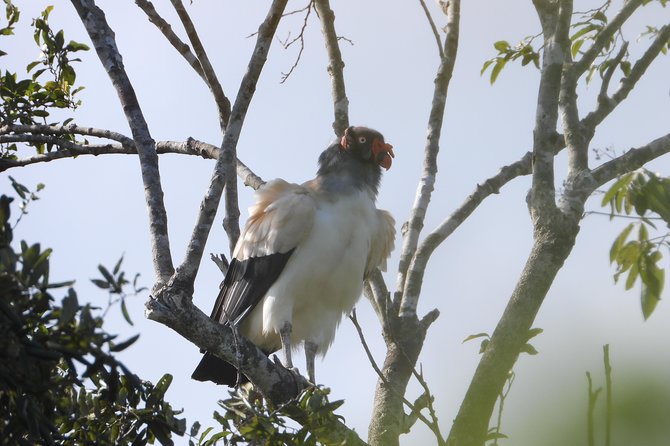
In thick brush, your biggest enemy isn’t distance. It’s clutter. Leaves hide motion. Branches break sightlines. Sound travels, but visual confirmation takes time.
This is why the technique used on the tour matters. One guide detail that keeps showing up is a laser pointer used in a way that doesn’t disturb birds. The key part is how it’s used: the pointer helps you locate the bird from a distance, but it points at the lower connecting branch rather than blasting directly at the animal.
That approach is practical for you. It reduces the chaos of “where is it” and lets you keep your attention on the bird’s position and behavior. It also helps you learn faster, because you’re not just guessing. You’re seeing the bird in context.
And if you’re thinking about your own gear: bring your own binoculars if you have them. If you don’t, the tour still supports spotting, but binoculars make the whole experience more satisfying, especially when you’re tracking fast-moving species.




José Gil Paz Gutiérrez: birding plus Mayan plant stories
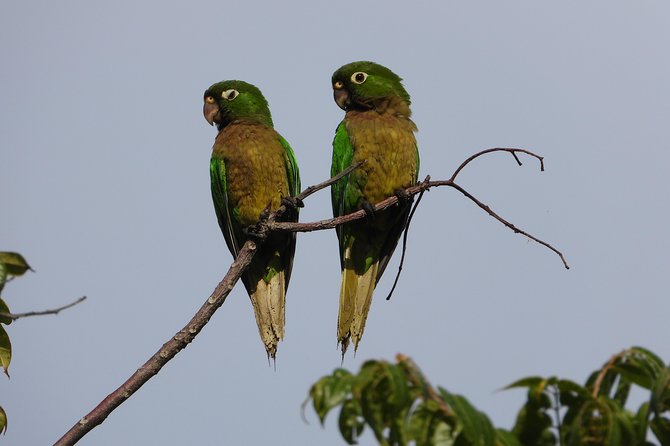
The biggest standout in guidance quality comes through the guide. The name José Gil Paz Gutiérrez comes up again and again, along with “Sr. Paz.” People describe him as calm, thoughtful, and very tuned in to birds, wildlife, and the jungle.
What I like about this guide style is the layering. You’re not just receiving a list of species. You’re learning how the local Mayan world connects to plants and the way people used them.
In the reviews, José’s endemic botany background is specifically mentioned, along with stories about Mayan plants and how they relate to rituals, medicine, and cooking. For you, that turns the scenery into something more meaningful. A tree stop is no longer just a backdrop while you scan for movement. It becomes a cultural and ecological clue.
There’s also a comfort factor. One review notes feeling safe throughout the tour as a solo female traveler. That’s not a guarantee for everyone, but it’s a good sign of how the experience is handled.
What counts as a win: eBird logging and species variety
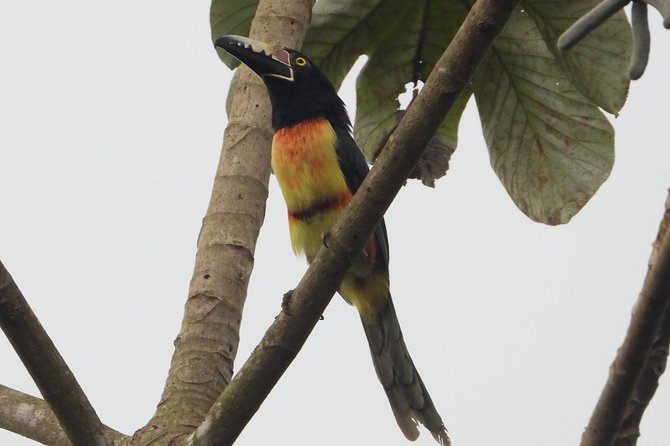
You’ll be watching for species, but you’ll also be doing it in a way that helps you keep track. One of the most praised features is that the guide manages an eBird checklist in real time, then emails it to you afterward.
That’s a big deal if you care about logging your day accurately. Birding gets frustrating when sightings blur together later. Having a checklist sent after the tour turns your memory into something you can actually use, compare, and build on for future birding.
As for what you might see, the numbers shared are strong:
- One outing recorded 68 birds
- Another described 43 species despite rainy conditions
- Another logged 30 different species with help for baby birders
Even if you don’t hit those exact totals, the pattern is clear: you’re being guided toward real bird activity, not just random chance.
Also, the guide approach can be helpful for both beginners and intermediate birders. Baby birders are described as getting patience and support, while more serious listers might find the pace a bit relaxed depending on conditions. That’s worth thinking about before booking.
Pace and weather: why an evening tour can still work
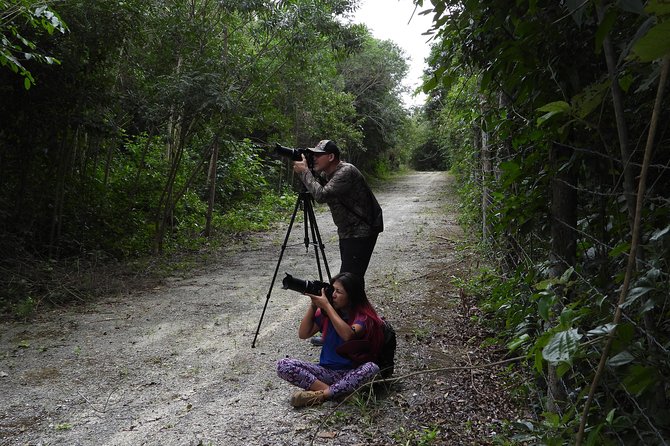
This tour can run at a time when bird behavior shifts. Evening birding is different. Many species quiet down, while others stay active later. If you’re used to early-morning birding, you may feel the drop in frequency at first.
But the evening slot can still deliver unforgettable moments. One description includes a standout toucan encounter, plus a rainbow seen on the way back. The point isn’t that every evening tour guarantees dramatic weather. It’s that even when activity changes, a good guide keeps searching with purpose.
Weather also comes into play. One review notes that rainy weather didn’t stop the tour from producing a strong list of species. That suggests the tour style doesn’t shut down at the first sign of clouds. You should still pack for rain if you’re traveling in the season when showers happen.
Pace is another factor. The tour is described as relaxed, which can be great if you want your birding experience to feel like a calm nature walk. If your style is all about max counting, you may need to set expectations that the tour will prioritize careful looking over speed.
Food, comfort, and staying fueled on a 4-hour outing
The duration is listed as about 4 hours. That’s a sweet spot: long enough to see real habitat rhythm, short enough that it doesn’t eat your whole day.
Food support is included as part of what the guide provides on the outing described in reviews. Expect a light breakfast and tacos for lunch, depending on timing and the specific outing flow.
This matters more than you might think. When you’re using binoculars and focusing your attention, you burn mental energy fast. Having food included helps you stay steady and not get sluggish right when the best birds might appear.
Also, the overall comfort level seems well handled. One review specifically calls out feeling safe and comfortable during the pickup and tour. Another mentions a relaxed pace that works well in heat. That combo usually means fewer stressful logistics and more actual looking time.
Price and value: what you’re really paying for
No price is provided in your details, so I can’t break down a cost number. But I can help you judge value based on what’s included.
This feels like good value if you care about:
- Private attention rather than being one voice among many
- A guide with both birding focus and Mayan plant knowledge
- Real-time eBird checklist logging with follow-up email
- Transportation support via pickup (when offered)
- Food support like light breakfast and tacos
If you only want casual bird spotting while you wander on your own, you could probably replicate parts of the experience. But if your goal is to learn fast, record accurately, and get help seeing birds in cover, the guide-led approach is where the value lives.
And because it’s a private tour, you avoid the common problem of being forced into someone else’s pace.
Should you book Birds of the Mayan World 2
If you’re choosing between the Cancun hotel zone and a quieter, more nature-focused day, I think this tour is a strong pick. It’s built for people who want real bird watching, not just a photo stop. It also suits you if you enjoy learning about the plants and the human connection to the landscape, especially through Mayan plant stories.
Book it if:
- You want a private birding experience with personal guidance
- You care about accurate bird logging via eBird
- You like relaxed nature walking, not a rushed sprint
- You’d enjoy Mayan plant context alongside the birds
Skip it (or at least reconsider timing) if:
- You’re determined to chase species at a hard, lister-style pace
- You strongly prefer activities that are mainly cenote swimming or snorkeling, since birds are the priority here
Finally, keep one practical factor in mind: the experience depends on good weather. If it’s canceled due to poor conditions, you should expect an option for a different date or a full refund.
FAQ
How long is the Birds of the Mayan World 2 / Route of the cenotes tour?
The tour lasts about 4 hours.
Is pickup offered, or do I need to meet at the start point myself?
Pickup is offered. The tour also starts at Flamboyán, SMZ 18, 77580 Puerto Morelos, and it ends back at that same meeting point.
Is this tour private?
Yes. It’s listed as a private tour/activity, so only your group participates.
What language is the tour offered in?
The tour is offered in English.
What fitness level do I need?
The tour is marked for travelers with a moderate physical fitness level.
Where does the tour start and end?
It starts at Flamboyán, SMZ 18, 77580 Puerto Morelos, Q.R., Mexico, and it ends back at the same meeting point.
How does the tour handle bird lists during the experience?
The guide manages an eBird checklist in real time and emails it to you at the end of the tour.
What happens if weather is bad?
The experience requires good weather. If it’s canceled due to poor weather, you’ll be offered a different date or a full refund.
One last decision tip
If your idea of a great day in the Cancun area includes calm trail time, binocular moments, and a guide who connects birds with Mayan plants, this is worth booking. It’s especially strong as a break from crowds, and the eBird logging plus careful spotting techniques make it a birding day you can actually track afterward.