REVIEW · CANCUN
Birds of the Mayan World 3
Book on Viator →Operated by Gills Bioexperiences · Bookable on Viator
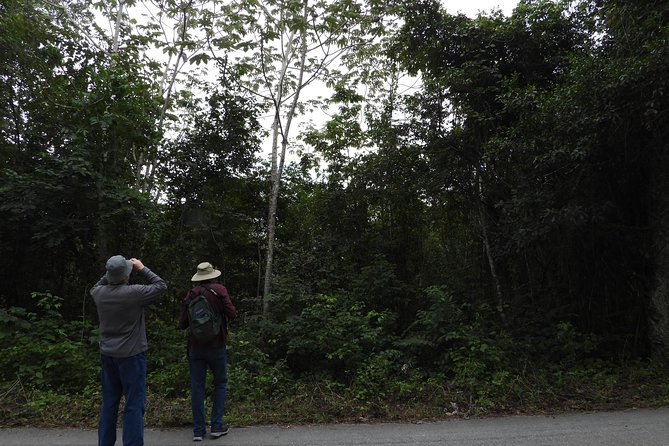
Birds steal the show in Cancun’s backcountry. This tour takes you through biodiversity-rich trails in the Riviera Maya, with a strong focus on bird watching around Tulum and the Muyil area. It’s designed for low-impact wildlife viewing, not speed-walking for photos.
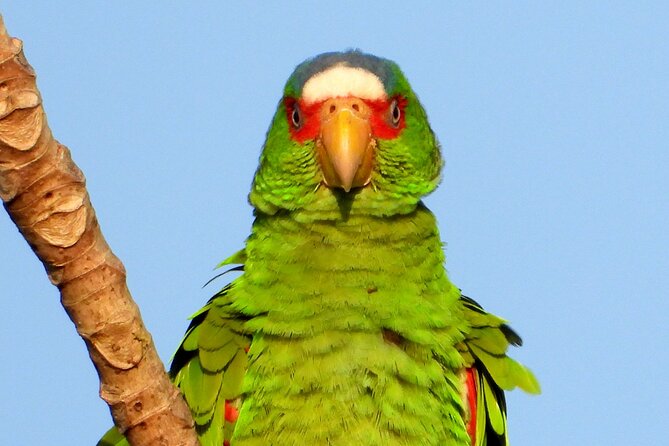
Two things I like a lot are the way the guide works with your birding goals and the fact that the route is chosen for real species variety. In one account, guide Jose quickly understood preferences and did a great job locating the exact birds wanted. Add in the chance to spot endemic species around the Tulum surroundings, and you’ve got more than a casual nature stroll.
One consideration: this experience depends on good weather, and it requires a moderate physical fitness level. If conditions are poor, plans shift, and you’ll want comfortable shoes for trail time.
In This Review
- Fast facts that matter
- Birdwatching in the Riviera Maya: why this route works
- Tulum trails: where to expect endemics and practical birding moments
- Zona Arqueologica de Muyil: birds meet Mayan-era ruins
- The guide’s role: how Jose helps you see more birds, not just more nature
- Low-impact tourism: the quiet rules that make birding better
- Food, coffee, and the value of not hunting for lunch
- Timing, weather, and physical level: plan like a birder
- Who Birds of the Mayan World 3 is best for
- Should you book Birds of the Mayan World 3?
- FAQ
- How long is the Birds of the Mayan World 3 tour?
- What language is the tour offered in?
- Where is the meeting point for the tour?
- Is pickup available?
- Is this a private tour?
- Do I get a mobile ticket?
- What meals are included?
- Is alcohol included?
- What happens if the tour is canceled due to weather?
Fast facts that matter
- Jose-style target birding: the guide pays attention to what you want to see and works to find those species.
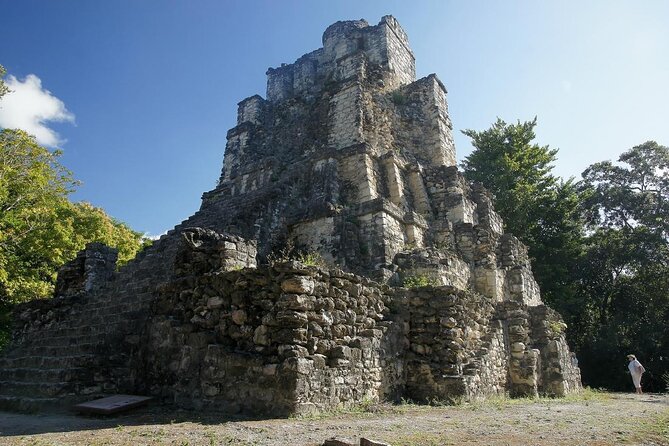
- Tulum + Muyil pairing: combine coastal jungle birdlife with a well-known archaeological stop nearby.
- Low-impact touring: the experience is built around watching wildlife while keeping disturbance low.
- Endemic species potential: the Tulum area and surrounding trails are highlighted for species that are native to the region.
- Food included: coffee/tea and a traditional Mexican or veggie lunch mean less morning scramble.
Birdwatching in the Riviera Maya: why this route works
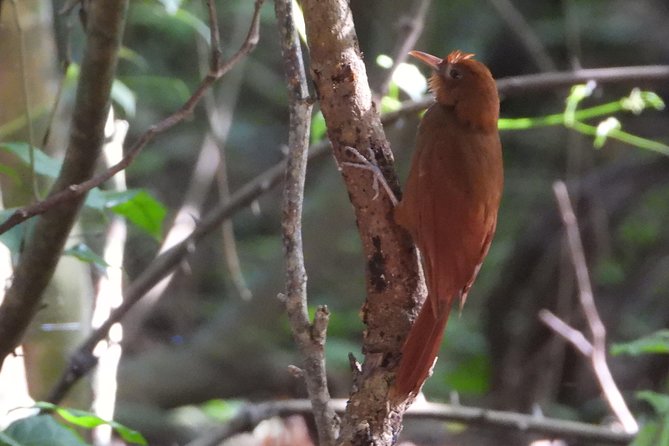
If your idea of a great vacation day is slow movement, patient looking, and that little thrill when a bird finally shows up, this tour fits. The Riviera Maya is more than beaches. Around Tulum and Muyil, you’re in a region where birds use forest edges, trails, and pockets of habitat shaped by the local environment.
What I find smart here is the pairing of areas. Tulum is known for nature access, and the Muyil archaeological zone sits in a setting that still feels ecological rather than purely museum-like. That matters because birds respond to habitat, not to ticket lines. You’re not just stopping at viewpoints. You’re walking trails where birds actually travel and forage.
The tour’s emphasis is also clear: you’re there for birds first, and you’re learning how the wider plant-and-animal world connects to what you spot. That “what comes with them” angle is useful, because once you start noticing food sources—fruiting plants, insects, perches—you get better at reading the habitat in real time.
Finally, you get a private tour, meaning your pace can match your attention span. Birding doesn’t work well on a rigid group schedule where everyone’s eyes are always moving on the next stop.
You can also read our reviews of more tours and experiences in Cancun.

Tulum trails: where to expect endemics and practical birding moments
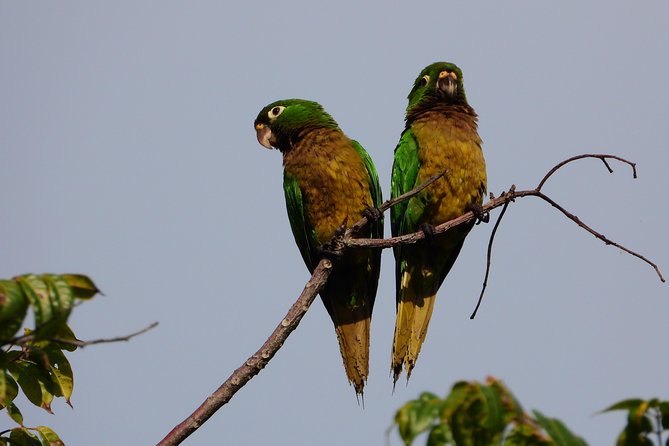
Tulum is the first stop, and it’s a good choice for bird watchers because the region’s birdlife tends to be active early and along accessible trail routes. Even if you’re not a hardcore lister, this kind of setting helps you see how birds use space—edges, shade, and open gaps where movement stands out.
Here’s what you can realistically focus on during a Tulum morning: patience and repeated scanning. Birds often show up in short bursts. The guide’s job is to help you read the clues faster—calls, movement, and where birds are likely to be based on the habitat you’re standing in.
The tour also highlights the possibility of endemic species in the Tulum area and its surroundings. “Endemic” just means native to a specific region, so when it clicks, it feels extra satisfying. You’ll probably spend more time lingering near promising spots rather than rushing through a single photo stop.
One practical tip from how these experiences usually run: go for comfortable layers. Tulum can shift from warm to cooler as mornings progress, and you’ll want to stay steady rather than peel off clothes every ten minutes. The tour is about spotting, not sweating your way through.
Zona Arqueologica de Muyil: birds meet Mayan-era ruins
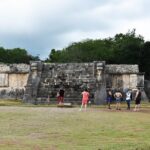
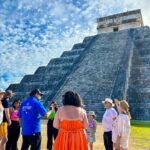
After Tulum, you head toward the Zona Arqueologica de Muyil. This is where the day gets more interesting for people who like both nature and culture—without forcing you to choose one or the other.
What I like about putting a bird watch stop near an archaeological site is that it changes your viewpoint. Ruins aren’t the point, birds are. But the presence of human-made structures in a natural area can influence how birds move through the surroundings. You may find birds using open spaces, perching points, and edges where different vegetation types meet.
Also, Muyil’s setting helps you connect two ideas at once: birds aren’t floating above history. They live with it. Plants and insects that thrive near specific microhabitats create feeding opportunities for different species, and birds follow those patterns.
The trade-off? You should expect a moment of switching mental gears. If you’re here purely for birding, you’ll still want to look around the environment around the ruins, but there’s also a chance you’ll have to share time for the archaeological context. The good news is the tour’s guiding thread remains birds and what surrounds them—flora and fauna included.
The guide’s role: how Jose helps you see more birds, not just more nature
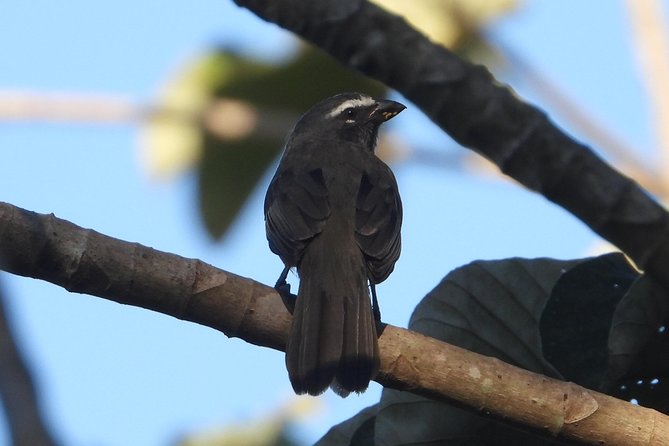
This is the part that matters most for birding. Anyone can walk a trail. A strong guide helps you see.
One review-style detail worth taking seriously: Jose understood preferences right away and did a great job locating the species a birder wanted. That’s not just a nice compliment. It’s the difference between feeling like you had a scenic walk and feeling like you actually accomplished a birding goal.
In practical terms, this kind of guiding approach usually means:
- You’ll get attention to your target birds (or your birding style).
- You’ll get help when birds are present but not obvious.
- You’ll spend time where sighting odds are better rather than bouncing everywhere.
If you’re an enthusiastic beginner, this is still valuable. Birds are easy to miss. A good guide helps you learn what to look for—sound, movement, and the “where would a bird be in this moment?” logic.
And if you’re more experienced, you’ll probably appreciate the tailoring. Birding is full of small frustrations: the bird is near, but you can’t find it. The guide’s role is to reduce those misses and increase the “there!” moments.
Low-impact tourism: the quiet rules that make birding better
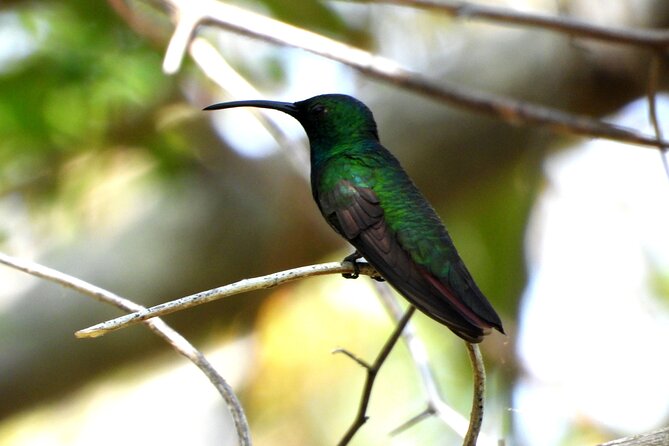
The tour’s focus on low-impact tourism isn’t just marketing. It affects how the morning feels and, honestly, how much you see.
When disturbance stays low, birds are more likely to keep doing what they do naturally: feeding, moving between perches, calling, and lingering long enough for you to study. When a group pushes too hard—too loud, too sudden—birds tend to go quiet or move away.
You can help by following the guide’s lead on where to stand and how to move. Keep voices down. Wait for instructions. Don’t step into the habitat to chase a glimpse. Birding rewards stillness.
I also like that the experience doesn’t treat birds like props. You’re given a chance to understand the space you’re in, including the plants and animals that “come with them.” That makes the sightings feel earned, not accidental.



Food, coffee, and the value of not hunting for lunch
Included in the experience are coffee and/or tea, plus lunch. You’ll get either a traditional Mexican lunch or a veggie lunch, depending on what you choose or what’s available for your group.
This matters because birding days often run on a tight rhythm. You’re outside, you’re walking trails, and you’re mentally locked in on seeing and listening. If you have to find food mid-day, the whole experience becomes stressful. Including it keeps the day calm.
It’s also a value win: you’re paying for a guided morning in biodiversity-rich areas, with meal support that covers a major part of your time. The tour fee includes the essentials needed to focus on bird watching rather than logistics.
What’s not included is alcoholic beverages. Not a deal-breaker at all, but it’s good to know so you can plan accordingly—especially if you want to stay sharp for sightings.
Timing, weather, and physical level: plan like a birder
The tour runs within an availability window of 6:30 AM to 1:00 PM. Bird activity often makes mornings a sweet spot, but the key point for you is that you’ll want to choose a day when you can commit to the schedule.
Weather is a big factor. The experience requires good weather, and if it gets canceled due to poor conditions, you’ll be offered a different date or a full refund. That’s exactly what you want on a wildlife-focused day—no forcing it when visibility and animal movement are likely affected.
Fitness is listed as moderate. That tells me you shouldn’t expect a fully effortless walk. You’ll likely be on trails and spending time standing and scanning, which can add up over about six hours. If you’re comfortable with a moderate outdoor morning—steady walking, uneven ground, and pauses—you’ll be fine.
If you’re the kind of traveler who hates being outside unless it’s perfectly planned, this might feel like too much unpredictability. But if you can handle trail time and changing conditions, it’s a great match.
Who Birds of the Mayan World 3 is best for
This tour is ideal if you:
- Want bird watching in a region known for biodiversity around Tulum and Muyil.
- Like learning how birds connect to habitat, not just collecting a few quick photos.
- Appreciate a guide who pays attention to your birding interests—Jose’s target-focused approach is a strong signal of that.
- Prefer a private group experience, so the day can run at your pace.
It’s also a solid choice if you want light culture mixed in, because Muyil includes the archaeological setting. You don’t have to be a history expert to enjoy the contrast, as long as you’re open to switching from birds-only focus to a birds-in-a-place focus.
Should you book Birds of the Mayan World 3?
I’d book it if your top priority is seeing birds with help from a guide who takes preferences seriously, and if you’re comfortable with a moderate outdoor morning. The included coffee/tea and lunch make it easier to stay focused on spotting instead of managing meals.
I wouldn’t book it if you’re scheduling around weather constraints you can’t flex, or if you want a super low-effort experience with no trail walking at all. And if you’re hoping for mostly indoor comforts, this isn’t that kind of day.
Bottom line: for travelers who love birds, this feels like a focused, practical morning in the Riviera Maya—Tulum first, then Muyil—built around low-impact viewing and the kind of guiding that improves your odds.
FAQ
How long is the Birds of the Mayan World 3 tour?
It lasts about 6 hours.
What language is the tour offered in?
The experience is offered in English.
Where is the meeting point for the tour?
The meeting point is at Amigo Tours Cancun, Av. Tulúm 4, capilla ecumenica, 77500 Cancún, Q.R., Mexico.
Is pickup available?
Yes, pickup is offered.
Is this a private tour?
Yes. It’s a private tour/activity, so only your group participates.
Do I get a mobile ticket?
Yes, the tour uses a mobile ticket.
What meals are included?
Coffee and/or tea are included, and you’ll also get lunch (traditional Mexican or veggie).
Is alcohol included?
No. Alcoholic beverages are not included.
What happens if the tour is canceled due to weather?
If it’s canceled due to poor weather, you’ll be offered a different date or a full refund.