REVIEW · CANCUN
Cancun: Chichen Itza Early Access Guided Tour
Book on GetYourGuide →Operated by Amigo Tours LATAM · Bookable on GetYourGuide
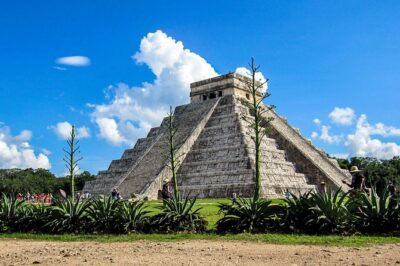
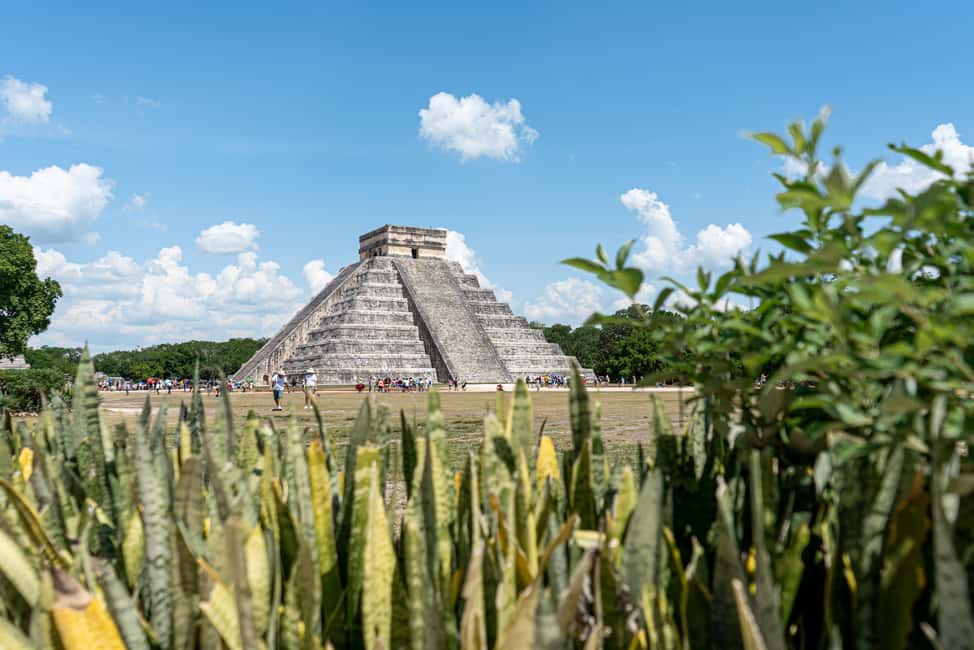
Chichén Itzá before the crowds is different. I like that early access means you see El Castillo Pyramid while it’s cooler and less packed, and you still get a real shot at iconic photos before the big rush.
The second thing I really like is the way your guide connects Mayan history to what you’re standing in front of, with stories that actually help monuments make sense. The one drawback to consider: the full day is long, and the road time from Cancún can feel like a commitment, even with AC and comfort stops.
In This Review
- Key highlights you’ll feel right away
- How early access changes everything at Chichén Itzá
- Cancún pickup and the transfer: the long day part you can plan for
- The Mayan guide component: what you’re really paying for
- The big monuments: El Castillo, the Ball Court, and Warriors Temple
- El Castillo Pyramid (the star of the show)
- The Great Ball Court
- The Temple of the Warriors
- How much free time you get for photos and exploring (and how to use it)
- Lunch, drinks, and the real budget beyond the $32 price
- No tourist-trap shopping: what that means in the real world
- What to pack: the day-to-day stuff that actually helps
- Who this tour suits best (and who should think twice)
- Should you book this Chichén Itzá early-access tour from Cancún?
- FAQ
- How long is the Cancun: Chichen Itza Early Access Guided Tour?
- Is hotel pickup and drop-off included?
- Do I need to pay anything extra for Chichén Itzá?
- Are meals and drinks included?
- What language is the tour guide?
- Is the tour suitable for wheelchair users?
- What should I bring?
- Are drones allowed?
Key highlights you’ll feel right away
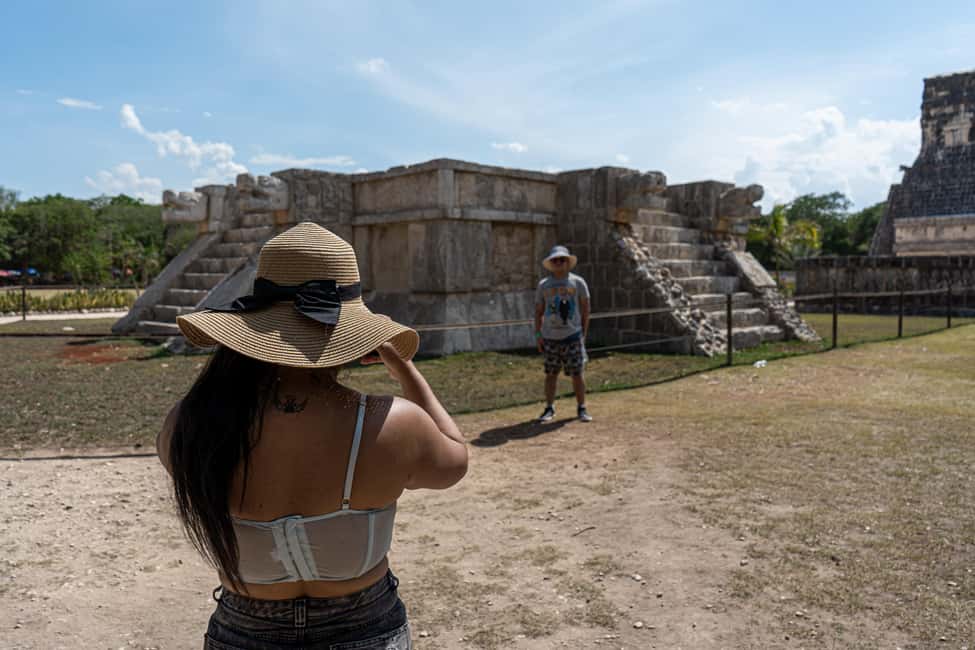
- Be first at Chichén Itzá: Early entry plus a separate entrance helps you skip the longest lines and catch the site at its calmest.
- Guided Mayan storytelling: Your guide (often bilingual Spanish/English) turns the tour from monuments into context.
- Photos before peak crowding: You get time for pictures early, when the pyramid isn’t buried in tour groups.
- No shopping detours: This is focused on the site and culture, not a mall-style souvenir run.
- Back to your hotel earlier: The day is built so you can keep the rest of your afternoon free in Cancún.
How early access changes everything at Chichén Itzá
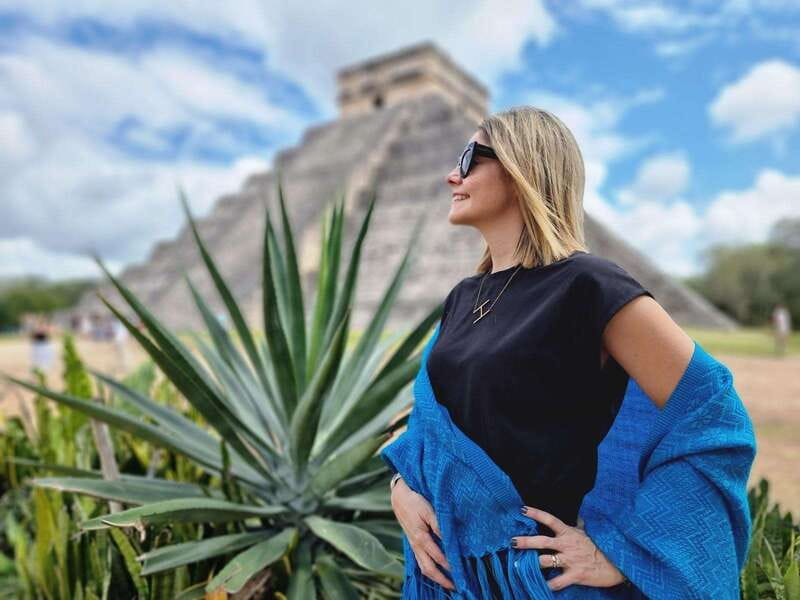
Chichén Itzá hits hard no matter what. But timing changes the whole vibe. This tour is designed for the morning, when the light is better and the heat hasn’t fully ramped up yet. The big win is simple: you walk into a place that usually feels like a crowd-management exercise—and instead you experience it at a calmer pace.
That calm matters for two reasons. First, the site is huge and you’ll be moving on foot. When it’s less crowded, you can actually look at details instead of timing your steps around other groups. Second, it makes photography easier. Early access isn’t just about being there first; it’s about getting the pyramid and main structures without constant foreground chaos.
And yes, you’ll still be with other people—but the early-window effect is real. You also skip the usual line routine through a separate entrance, which saves time and reduces that sense of being herded.
You can also read our reviews of more guided tours in Cancun
Cancún pickup and the transfer: the long day part you can plan for
This is a 9-hour day. That sounds straightforward until you remember where Chichén Itzá sits—so the transportation is a big chunk of the experience.
Pickup works from selected hotels in the Cancún area (and also includes pickup from Playa del Carmen and Riviera Maya, if you’re in that zone). Expect multiple hotel stops. That’s why arrival times can vary a bit depending on where you’re picked up.
In real-life timing examples, some departures pick up around the early-morning hours (one itinerary example referenced a 5:05am pickup and an arrival around 8:00am local time). The point for you: plan to be up early, and don’t treat this like a relaxed half-day.
A couple practical tips:
- Bring something to do quietly on the road. Many riders end up sleeping because the day starts so early.
- Wear clothes you can sit in comfortably for hours. Even when the vehicle is air-conditioned (it is), hotel pickup vans and coaches can be tight depending on group size.
- If you’re tall, consider that early-access departures can sometimes use smaller vehicles. One comment noted discomfort for taller riders after a couple hours in a tight setup.
The upside: once you’re at the site, the tour is structured so the morning work pays off—then you return to your hotel earlier than late-afternoon day trips.
The Mayan guide component: what you’re really paying for
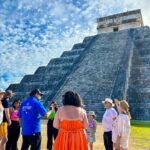
A lot of Chichén Itzá tours give you a walk and a few dates. This one is built around a guide who explains Mayan civilization and connects it to what you’re seeing.
That’s why so many people praise the guides’ energy and clarity. You may get a guide like Juam, Kevin, Rodrigo, or Arturo on a given departure—names that show up repeatedly in the guide feedback. Across those examples, the common pattern is the same: storytelling plus structure, with bilingual support in Spanish and English.
What that looks like for you during the tour:
- You’ll get an overview that helps you understand what you’re looking at, not just what it is.
- You’ll likely get moments of humor and pacing that keep the group from feeling like it’s marching through a slideshow.
- You’ll hear cultural context while you walk, including explanations tied to Mayan life and materials (for instance, one tour described demonstrations related to obsidian use).
Also, the guides tend to manage the heat in practical ways. Several experiences mention that guides tried to keep explanations in shade when possible. That matters because Chichén Itzá is very exposed.
The big monuments: El Castillo, the Ball Court, and Warriors Temple
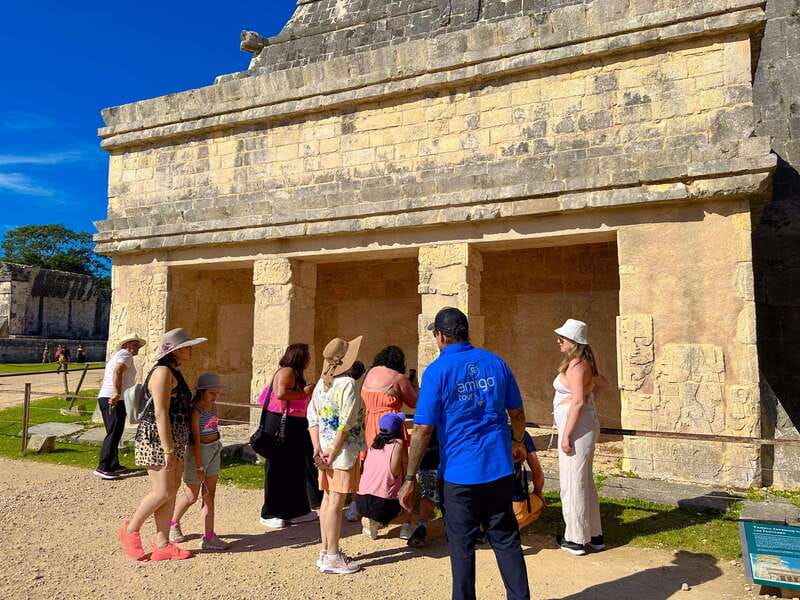
You don’t go to Chichén Itzá for background scenery. You go for the iconic structures—and this tour’s guided segment focuses on the heavy hitters.
El Castillo Pyramid (the star of the show)
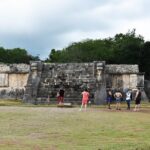
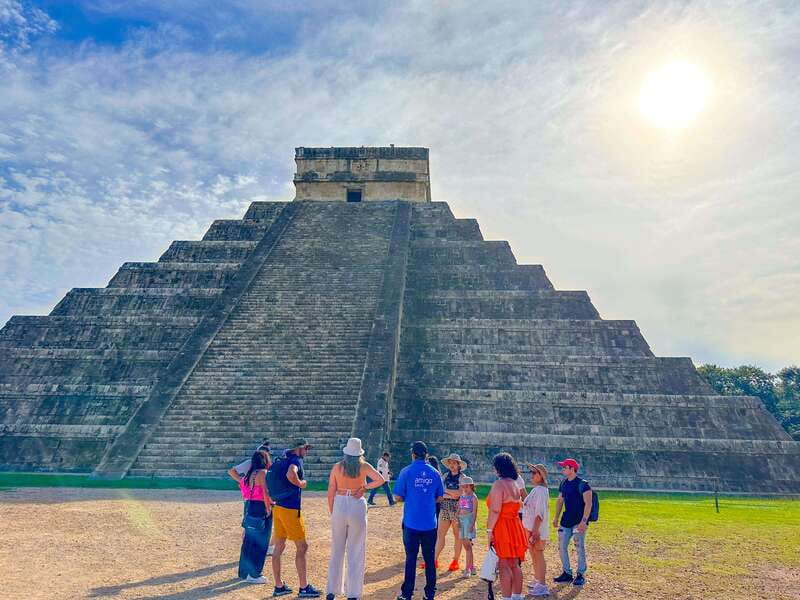
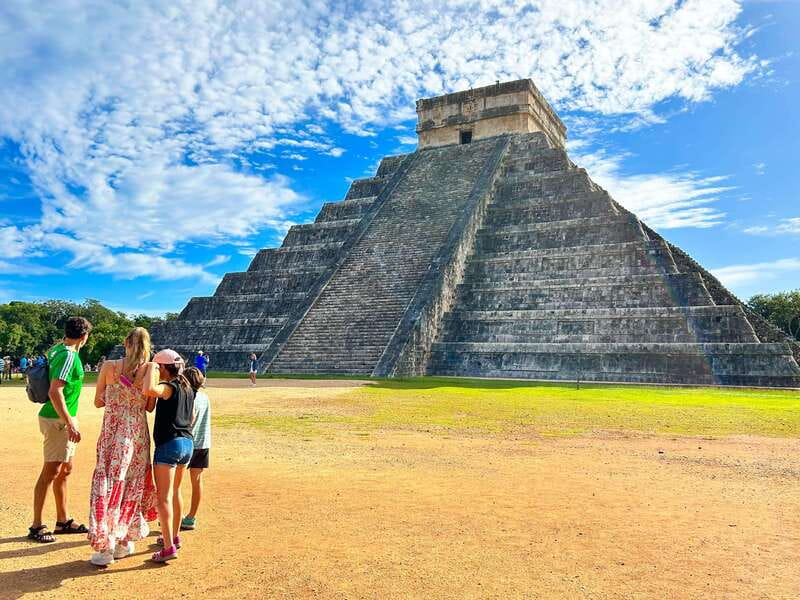
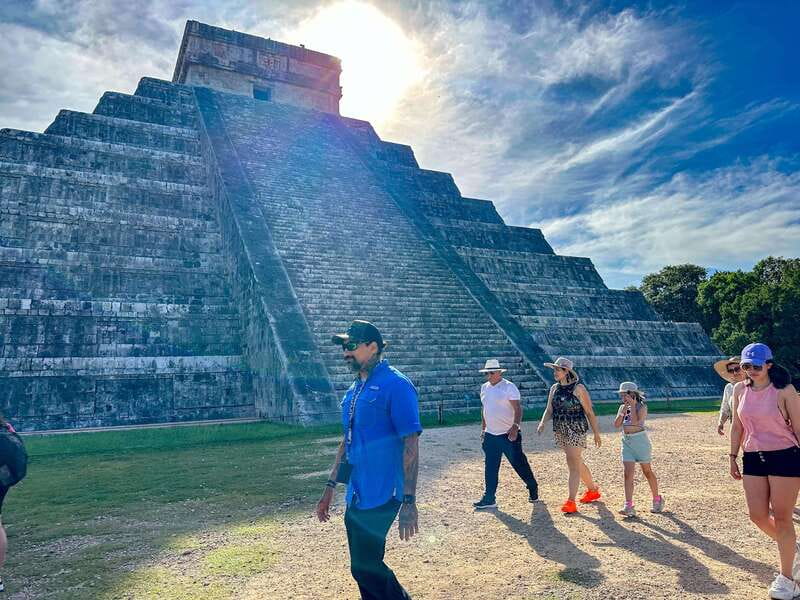
El Castillo is the magnet. In an early slot, it’s easier to appreciate the scale without feeling like you’re being squeezed. You also get better conditions for photos.
Expect your guide to frame what makes El Castillo special in Mayan terms, then lead you along viewpoints that help you see it from multiple angles. Even if you’ve seen pictures before, standing there early can feel surprisingly calm.




The Great Ball Court
The Great Ball Court is one of those “wait, people actually played here?” sites. When your guide ties it to Mayan culture (instead of only pointing and moving), it clicks faster. It’s also a great spot for photos because you can frame the space around the court rather than only looking at one face.
The Temple of the Warriors
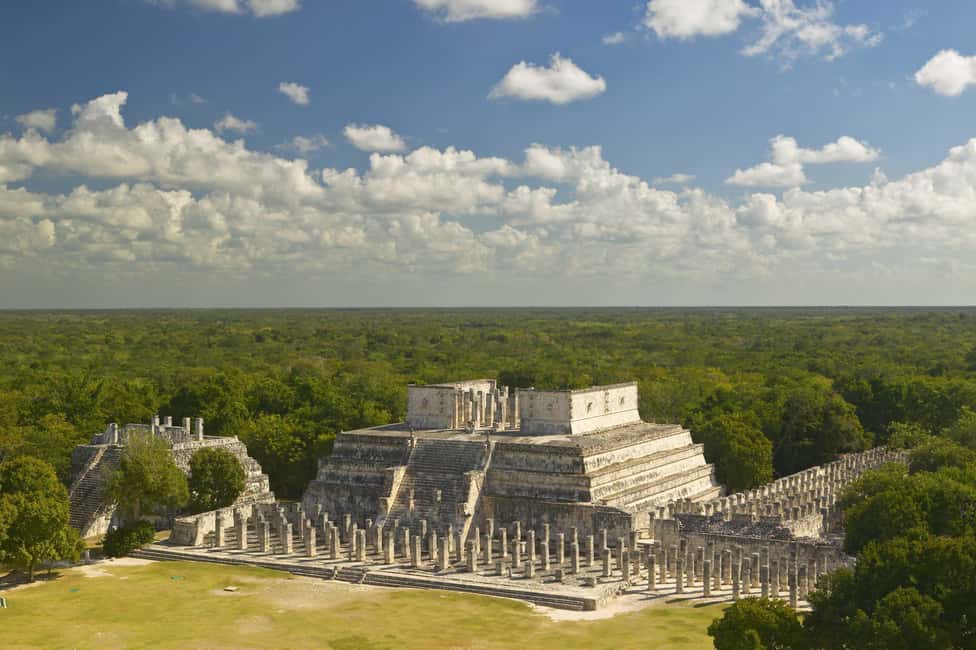
This stop is where the details start looking like architecture with personality. Your guide’s job here is to help you notice patterns and understand why the temple matters. Early touring again helps, because you can look longer without competing with a wall of camera phones.
How much free time you get for photos and exploring (and how to use it)
This tour is time-managed, but not in a way that feels rushed-for-rushed-sake. The early access window gives you a photo-friendly start. After that, you’ll have a guided portion focused on Mayan meaning and site structure.
Here’s the way I’d use the timing:
- First window: prioritize photos at the main landmarks while crowds are still light.
- Guided window: focus on listening. If you try to multitask and take every picture during commentary, you’ll end up missing the connections that make the visit feel worthwhile.
- Later moments: if you get time to wander on your own, walk slowly. Chichén Itzá rewards people who look up, not just people who count pyramids.
A small but useful comfort tip from rider feedback: bring extra sun protection. One note specifically recommended taking an umbrella if you don’t handle sun well. It’s not just about looking cool; it’s about staying functional when the open areas heat up.
Also, plan for lots of walking. This is not a sit-and-view tour.
Lunch, drinks, and the real budget beyond the $32 price
Let’s talk money honestly. The listed price is $32 per person. That’s not the whole cost, because you still have to pay the Chichén Itzá CULTUR tax upon arrival: $44 USD.
So right away, your trip total typically starts around:
- $32 + $44 tax = $76 USD per person, before any meals or drinks.
Meals and drinks are listed as not included, but several guided-day experiences include a buffet lunch as part of the schedule (often described as filling). Either way, assume you’ll be spending something on food and especially drinks.
One practical reality check from firsthand experiences: drink pricing at the on-site restaurant can feel steep, and payments can vary depending on whether you pay in pesos versus USD. If you want fewer surprises, bring cash (the tour instructions explicitly ask for it) and consider using pesos for best value if you’re able.
My advice: budget for
- the tax,
- a meal (or lunch add-on if it’s offered),
- and drinks,
and you’ll avoid the mid-day sticker shock.
No tourist-trap shopping: what that means in the real world
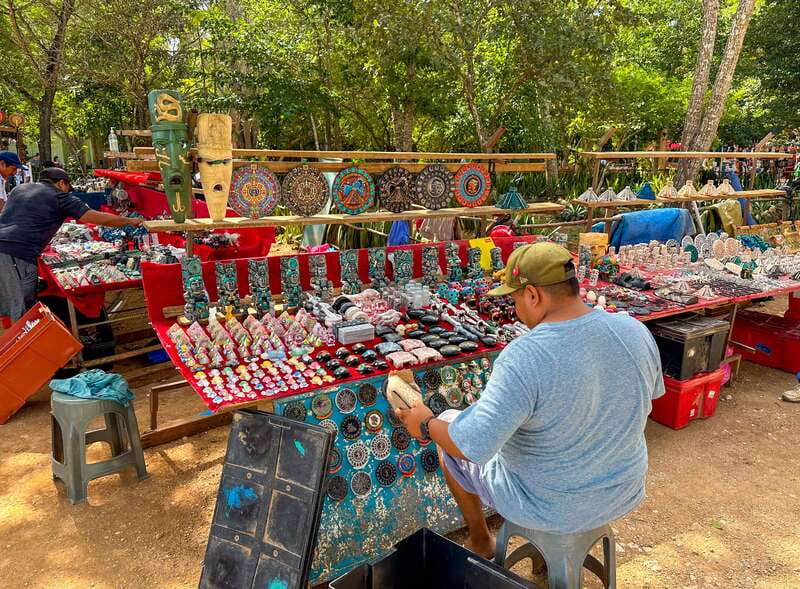
Chichén Itzá has a reputation for pushing souvenir stops. This tour’s structure is meant to keep you focused on the site and the culture, and it doesn’t run you through a heavy shopping circuit.
That matters because time is the most limited resource here. The whole reason for early access is to get the best part of the day (cooler temps, fewer crowds), not to trade it for a marketplace stop.
If you see any small gift-buying opportunity connected to the lunch area, treat it as optional. The main program is the ruins and the Mayan story you’re there to understand.
What to pack: the day-to-day stuff that actually helps
The tour instructions are clear about what you should bring. I’d follow them closely because Chichén Itzá is sun-heavy and you’ll be on your feet.
Bring:
- Comfortable shoes (you’ll walk a lot)
- Hat
- Sunscreen
- Cash
- Towel
- Swimwear
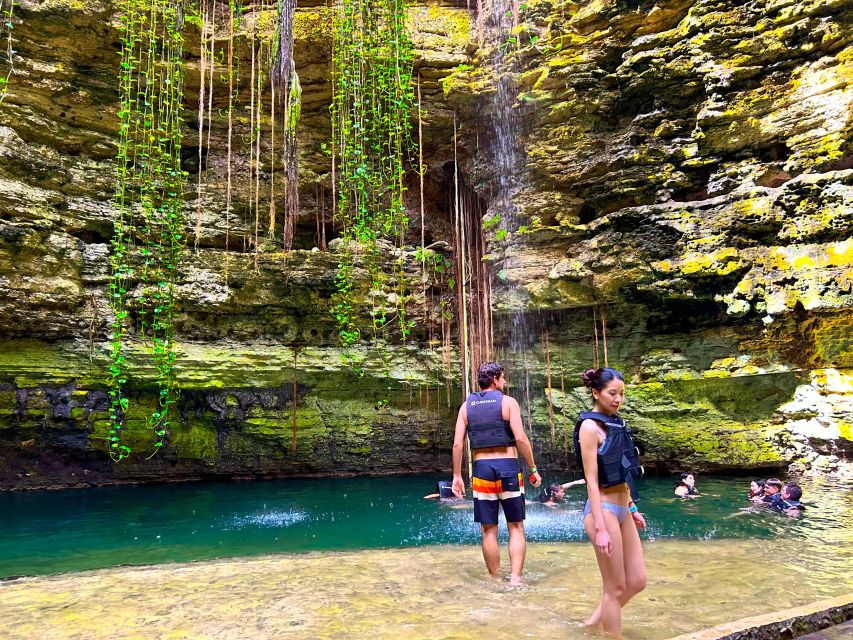
Even if you’re not planning to swim, towel and swimwear can come in handy if your schedule includes any water or cool-off opportunities. Towel also works for wiping sweat and keeping yourself comfortable.
Don’t forget:
- You can’t bring drones.
Also think about layers. It’s hot outside, but vehicles can swing from cool to cold depending on AC settings.
Who this tour suits best (and who should think twice)
This is a strong fit for:
- People who want the iconic monuments without arriving when the site turns into a human conveyor belt.
- History lovers who enjoy guides who explain meaning, not just names.
- Photographers who care about getting clean angles early.
- Travelers who’d rather be back in Cancún in the afternoon with energy for dinner plans.
It’s a weaker fit if:
- You have mobility limits or need wheelchair-friendly access (the tour is not suitable for wheelchair users).
- You hate early starts. Pickup is early, and the travel time is long.
- You’re uncomfortable in tighter vehicles for hours, especially if your departure uses smaller group transport.
Should you book this Chichén Itzá early-access tour from Cancún?
If your priority is early access plus a guided Mayan explanation, I’d say yes—especially if you’re the type who wants to see El Castillo before the busiest part of the day. The early timing isn’t a gimmick here; it’s the difference between enjoying the site and just surviving it.
The main reason to pause is budget math. With the $44 tax due at arrival, you should plan on paying more than the starting $32. If you can handle that and you’re ready for a long day on the road, this tour is a good value way to experience Chichén Itzá with fewer crowds and stronger context.
If you want, tell me your departure area (Cancún hotel zone vs. Playa del Carmen vs. Riviera Maya) and your tolerance for long bus rides, and I’ll help you judge whether this timing will feel good for your style of travel.
FAQ
How long is the Cancun: Chichen Itza Early Access Guided Tour?
The tour lasts about 9 hours.
Is hotel pickup and drop-off included?
Hotel pickup and drop-off are included if you select the option that covers your pickup area.
Do I need to pay anything extra for Chichén Itzá?
Yes. You must pay the Chichén Itzá CULTUR tax upon arrival for $44 USD.
Are meals and drinks included?
Meals and drinks are listed as not included.
What language is the tour guide?
Guides provide live interpretation in Spanish and English.
Is the tour suitable for wheelchair users?
No. The tour is not suitable for wheelchair users.
What should I bring?
Bring comfortable shoes, a hat, swimwear, a towel, sunscreen, and cash.
Are drones allowed?
No, drones are not allowed.