REVIEW · CANCUN
Cancun: Marine Turtle Observation in Akumal
Book on GetYourGuide →Operated by EcoColors Tours · Bookable on GetYourGuide
Snorkel with sea turtles and swim a cenote. This is a morning-style outing built around sea turtles in Akumal’s protected waters, plus a second snorkeling stop at a natural swimming hole for seriously clear views. I like how the tour isn’t just hands-in-the-water and hope for the best; it’s guided by a biologist or naturalist so the sightings come with context.
My one watch-out is crowds. Akumal can get busy, and on some days that affects how clear the water feels and how many turtles you actually see. Also, the cenote stop is often described as Cenote Azul, but you might end up at a different cenote depending on operations (so don’t assume lockers and changing space are identical everywhere, either, especially if you’re comparing notes with the name you expected).
In This Review
- Key highlights to look for
- What you’re really paying for: turtles plus a cenote morning
- Getting there from Cancun, Playa del Carmen, or Tulum
- Akumal turtle snorkeling: the protected waters where sightings happen
- Cenote snorkeling: crystal-clear limestone pools and a real change of pace
- Timing and transfers: what the 5 hours feel like in real life
- Snorkeling skills, safety, and the gear you get
- Crowd control and respecting the turtles (when things get busy)
- Food, snacks, and what you’ll likely miss
- What to bring so you’re comfortable before and after the water
- Who this tour is best for, and who should reconsider
- How to make the day better for your family
- Should you book this Cancun-to-Akumal turtles and cenote tour?
- FAQ
- How long is the tour?
- Where do they pick you up from?
- What’s included in the price?
- What extra fees should I plan for?
- Is this tour good for children?
- What should I bring, and what’s not allowed?
Key highlights to look for
- Biologist or naturalist-guides explain turtle behavior, not just where to float
- Akumal’s protected coastline gives you the best odds of close, calm sightings
- Two water stops mean you see wildlife in open water, then limestone pools in a cenote
- Snacks at the cenote (fruit, peanuts, and more) keep the morning from dragging
- You’ll need the basics ready: swimwear, towel, and a change of clothes for after the water
- Budget the extra $20 USD per person marina dock fee and environmental tax
What you’re really paying for: turtles plus a cenote morning
At about $135 per person for roughly 5 hours, this tour is priced like a true “two-experience” day: marine wildlife viewing in Akumal and a snorkeling session in a cenote. The value comes from having a guide with a scientific background (biologist or naturalist) and from having transportation and entrance fees handled for you.
Then there’s the practical side: you’re not doing all the logistics on your own. A van handles the transfers from the Cancun area, and you get snorkel equipment included. That’s a big deal if you’re traveling with kids, or if you’d rather spend time in the water than comparing routes, parking, and timing.
One cost reminder: the $20 USD per person marina dock fee and environmental tax are not included. It’s worth planning for that up front so the final total doesn’t feel like a surprise mid-day.
You can also read our reviews of more tours and experiences in Cancun.
Getting there from Cancun, Playa del Carmen, or Tulum
Pickup is part of what makes the tour easy. You’re picked up from the main lobby of your hotel, with pickup options that include Cancún, Playa del Carmen, Akumal, Mayan Palace, and Tulum. The schedule runs on a morning start, with different “latest pickup” times depending on where you’re staying.
Once you’re on the van, you’re looking at about 1.5 hours of travel time each way. That matters because it shapes the whole day: this is an efficient, structured morning, not a slow, wandering experience.
You also get a clear flow to expect: the day moves from pickup to Akumal water time, then toward the cenote stop, and finally back to your hotel area. If you’re sensitive to long rides or you have mobility issues, the timing and transport will be more important than the snorkeling itself.
Akumal turtle snorkeling: the protected waters where sightings happen
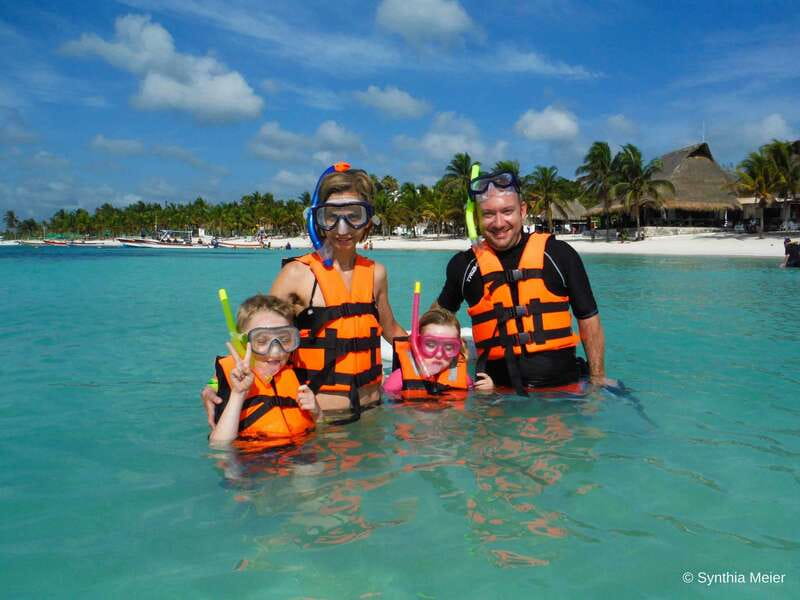
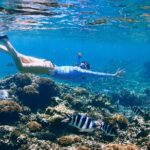
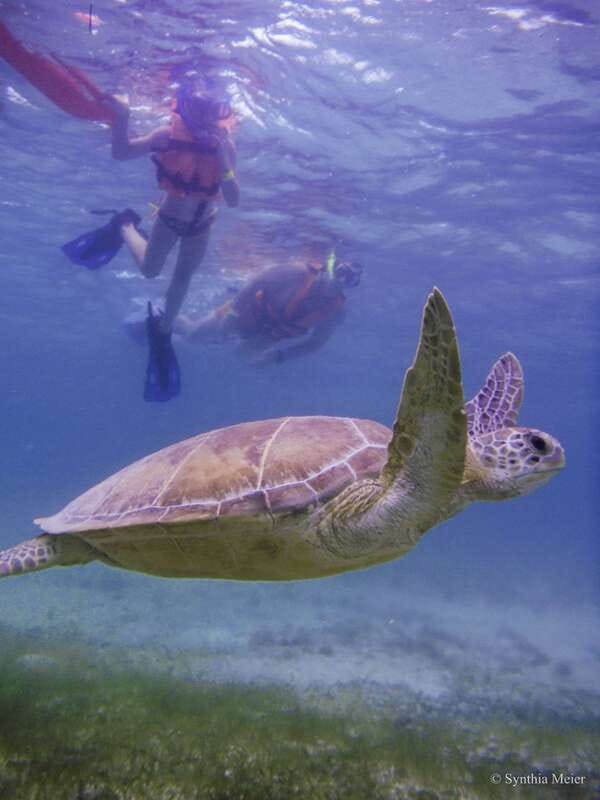
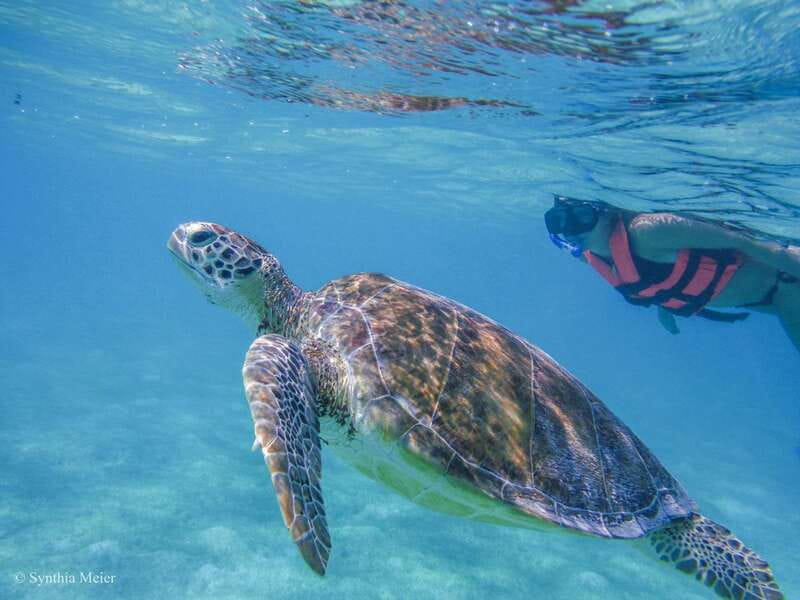
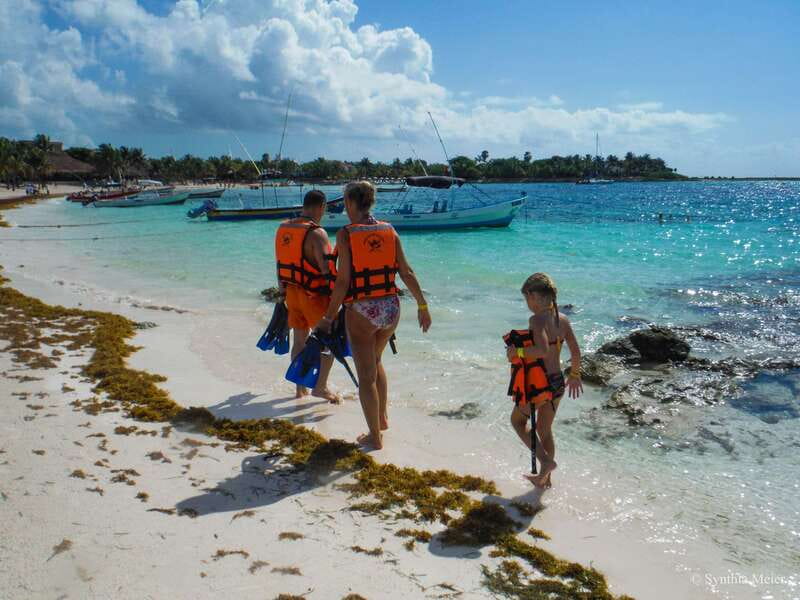
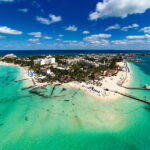
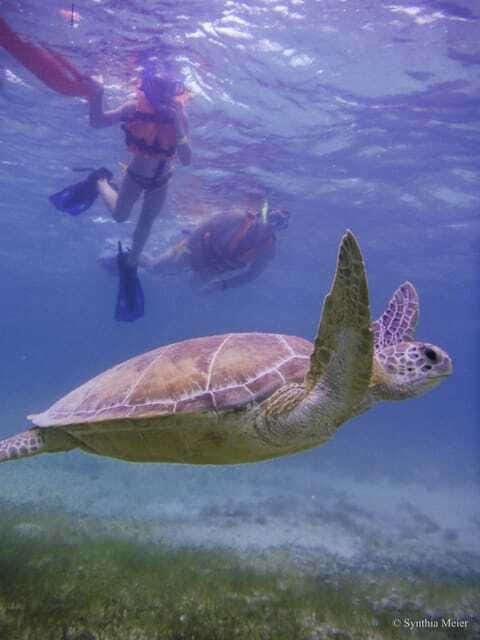
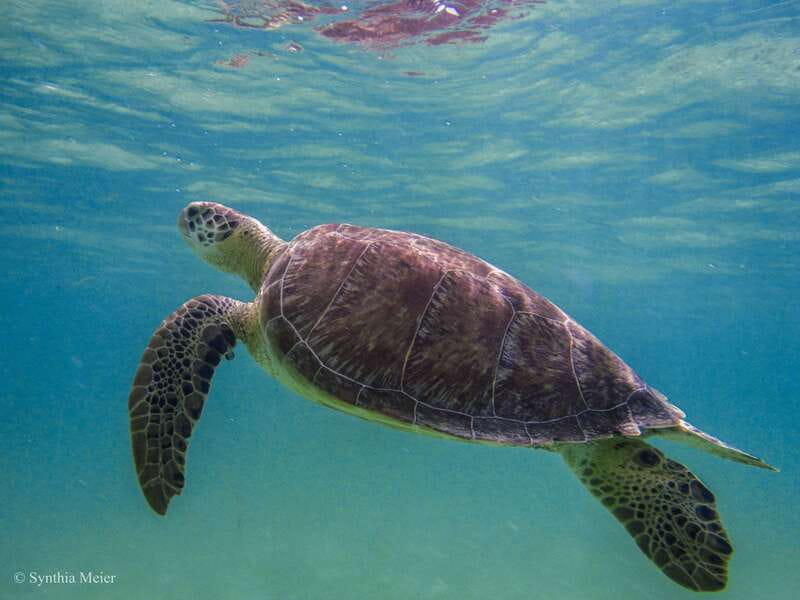
Akumal is Mayan for place of the turtles, and the tour leans into that idea with snorkeling in a naturally protected area. This is one of the biggest reasons people sign up in the first place: Akumal is a cozy beach community where marine turtles come nearshore, so you don’t have to go searching in far-off open water.
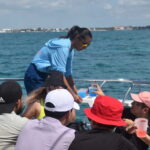
What I like about the format is the guidance. You’re not just thrown in. The guide gives an explanation during the turtle observation portion, so you know what you’re looking at—like how turtles move, where they tend to surface, and what behaviors are normal versus stressed.
You may see guides listed as English or Spanish speaking, and in real life the guide experience can be the difference between a “quick look” and a meaningful outing. Names that have shown up in this tour’s guide roster include Oscar and Rodolfo. In at least one group, the guide was explicitly focused on safety for people who weren’t strong swimmers.
That said, this is also where crowding can interfere. If multiple groups are in the water at once, it can get harder to keep space, turtles can seem less calm, and water visibility can vary. When that happens, your time with turtles may feel shorter than you hoped.
Cenote snorkeling: crystal-clear limestone pools and a real change of pace
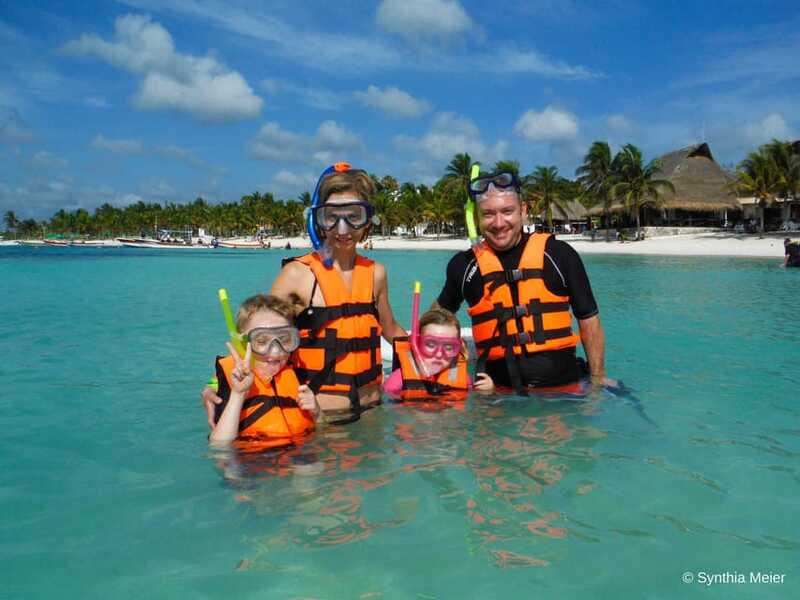
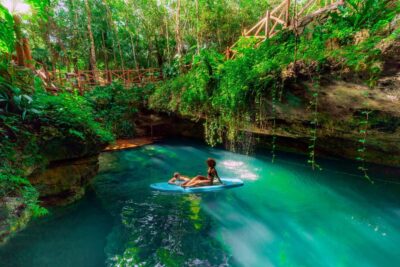
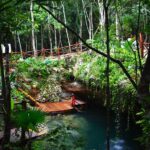
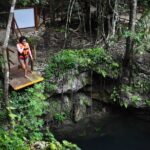
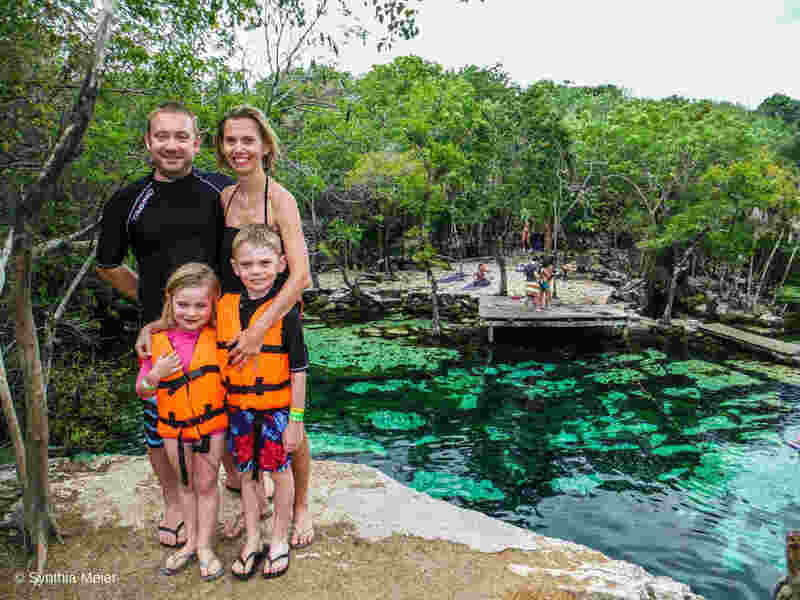
After turtle time, the tour shifts from beach snorkeling to cenote snorkeling—natural swimming pools formed when limestone breaks down over time. The appeal here is straightforward: the water can be calm, the walls are natural, and the setting feels like you’ve moved into a different world.
Snacks are part of this stop. You’ll have a break with items like fruit, peanuts, granola bars, juice, soda, and water, and then you head into the water again. This is a practical choice for families, because cenotes can turn into a long wait if you don’t eat something first.
One important reality check: the tour is frequently described as a Cenote Azul visit, but there have been cases where the cenote was different (for example, Cenote Yax-Muul). If your ideal day includes specific amenities like lockers or changing rooms, don’t assume every cenote stop offers the same setup. On at least one occasion, there were no lockers or changing cubicles where the group snorkeled.
Also, consider your water shoes. The tour provides snorkel equipment, but you may still want foot protection for rocky, limestone edges. A recommendation that keeps popping up is water shoes, especially for protecting feet during entry and exit.
Timing and transfers: what the 5 hours feel like in real life
This trip is compact on purpose. You start early and you’re back around mid-afternoon in the Cancun zone, which helps if you don’t want your whole day eaten by tours.
A typical flow looks like:
- morning pickup from your hotel area
- snorkeling/observation in Akumal
- snacks at the cenote area
- a second snorkeling session in the cenote
- return transfer to your hotel
Even when the exact order can shift, the rhythm is consistent: you’re getting two meaningful water blocks within a short window. That’s great if you like action and you hate wasting vacation hours.
The downside is you won’t have tons of spare time. If you need extra breaks in the water, you’ll feel it. If you’re traveling with kids who need careful pacing, plan on following the guide’s timing rather than expecting long, flexible hangs.
Snorkeling skills, safety, and the gear you get
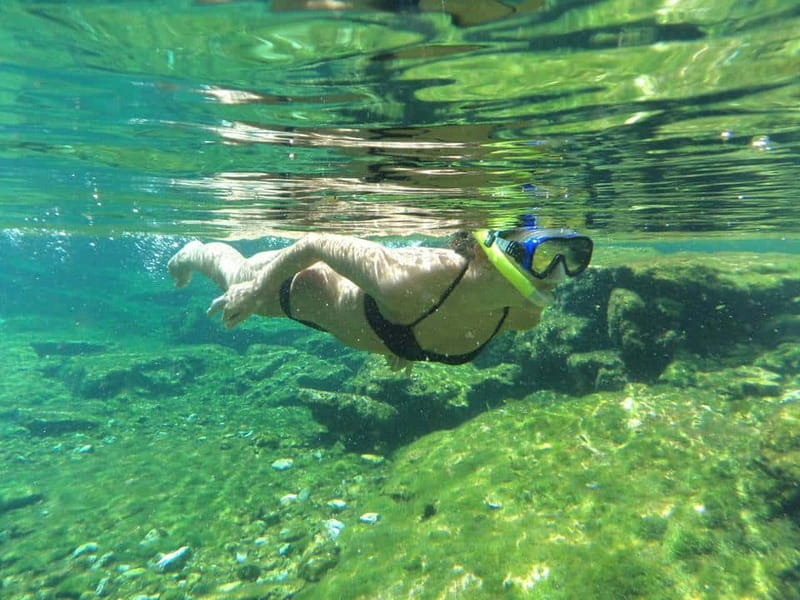
Snorkeling equipment is included, which saves you time and money. You’ll also want the rest of the basics handled by you: swimwear, towel, and a change of clothes. Bringing your own comfortable swim setup matters because you’ll be getting in and out of the water and you’ll want to dry off without improvising.
The tour has a suitability note: it’s not suitable for wheelchair users and it’s also not for people with back problems. That tells you the experience includes enough uneven ground, steps, and water-to-land transitions that it isn’t a gentle stroll.
In the real-world experiences attached to this tour, swimming ability plays a role too. For example, one group had to follow a minimum age rule for kids (a child needed to be at least 3), and another part of the group waited on shore because not everyone was ready to swim strongly. That’s not to scare you off—it’s to help you plan honestly.
If you’re a confident swimmer, you’ll likely enjoy this much more. If you’re learning, I’d treat this as a guided practice session with safety first, not a casual float.
Crowd control and respecting the turtles (when things get busy)
Akumal’s biggest marketing strength is also its biggest tension: it’s a place where animals come close, and that means people come close too. When multiple groups are in the same water at once, you lose some of the quiet, “discovery” feeling that people hope for.
Some groups described the experience as very busy, with lots of people in the water simultaneously. That can translate into:
- less space for turtles to behave naturally
- more collisions risk in the water
- shorter observation moments
- water that doesn’t feel as clear
I think it helps to go in with the right mindset. Even in good conditions, this is still a natural habitat with animals choosing when to surface. Your goal isn’t to force a turtle interaction. Your goal is to behave well in the water so the turtles can keep doing their turtle thing.
Practical idea: if you feel the water is crowded, follow your guide’s cues and keep your movement calm. If a turtle is close, don’t chase it. Let it come and go on its own schedule.
Food, snacks, and what you’ll likely miss
Snacks are included at the cenote stop: fruit, peanuts, granola bars, and drinks like juice, soda, purified water, plus additional simple items. That’s a solid plan for energy between water times.
But don’t count on a full meal being part of the included cost. Lunch is not listed as included for the guest in the basics you get, even though the day includes time allotted that can feel like a break. If you’re the type who gets hungry fast, pack a little extra snack just in case you want something familiar.
There’s another pattern worth noting from how people talk about this tour: some snack portions are described as basic. In one case, the snack setup sounded minimal, so it’s smart to show up with expectations aligned to a light included snack rather than a full-on lunch feast.
What to bring so you’re comfortable before and after the water
This is one of those tours where being prepared turns an okay day into a smooth one.
Bring:
- Comfortable shoes for walking and transfers
- Sun hat and sunglasses
- Swimwear you can tolerate getting fully wet
- Towel
- Change of clothes for after snorkeling
- A camera or phone with a secure way to protect it
The tour also recommends a light long-sleeve cotton shirt, and that’s a smart idea for sun protection during waits between water stops. It’s also worth thinking about dry bags if you tend to carry your phone without protection.
What not to bring: alcohol and drugs are not allowed.
Who this tour is best for, and who should reconsider
This experience is built for families. The highlights are exactly what families want: guided nature time and a two-part water day. If you’ve got kids who can handle snorkeling with supervision, you may find it’s one of the easier ways to combine turtles and cenotes into a single morning.
But it’s not for everyone.
Reconsider if:
- you or your family have back problems
- someone needs a wheelchair-accessible route
- your group is made up of very nervous swimmers (at least one group had to stay on shore)
- your kids don’t meet a practical minimum age for participation (one family reported a child needed to be at least 3)
It may also be a less satisfying choice if you’re traveling specifically for the quietest, least crowded wildlife experience. When the day is packed, it can feel more like a shared activity than a private discovery.
How to make the day better for your family
If you want the most out of this kind of snorkeling tour, focus on three things: pacing, protection, and expectations.
1) Pace yourself with the guide
If the group is moving quickly between water spots, keep up enough to avoid stress. Quiet swimming and calm movements tend to make the water experience better, especially near turtles.
2) Protect your feet
Even if snorkel gear is provided, limestone edges can still be rough. Water shoes are a worthwhile safety and comfort add-on.
3) Bring the non-water comforts
Hat, sunglasses, towel, and a change of clothes matter because you’ll be transitioning between wet and dry repeatedly. It’s also a morale booster for kids and for anyone who doesn’t love feeling damp too long.
4) Plan for variable visibility
Sometimes water is crystal clear. Sometimes it’s not. When it isn’t, your guide explanation and patience matter even more.
Should you book this Cancun-to-Akumal turtles and cenote tour?
I’d book this tour if your top priorities are guided marine turtle snorkeling plus a cenote swim in one efficient morning, and you’re okay with the reality that Akumal can get busy. If you value learning from a biologist or naturalist—especially when you’re traveling with kids—this format is strong.
I’d hesitate if you need a low-crowd, near-private wildlife experience, or if your family is very sensitive to water conditions like visibility. Also, if your itinerary dream is specifically Cenote Azul with identical amenities, treat that as a target, not a guaranteed match every day.
If you do book, go in ready: pack sun protection, bring water shoes, and let your guide steer both the pace and the safety. That’s the recipe for turning a crowded habitat day into a memorable one.
FAQ
How long is the tour?
It lasts about 5 hours. That includes pickup, snorkeling/observation time, the cenote stop, and the return transfer.
Where do they pick you up from?
Pickup is available from several hotel-area locations, including Cancún, Playa del Carmen, Akumal, Mayan Palace, and Tulum. You meet your driver at the main lobby of your hotel.
What’s included in the price?
The tour includes a guide (biologist or naturalist), snorkel equipment, transportation, entrance fees, and snacks like fruit and peanuts plus soft drinks and purified water.
What extra fees should I plan for?
You’ll need to pay an extra $20 USD per person for the marina dock fee and environmental tax at the marina.
Is this tour good for children?
The experience is described as family-friendly, but practical participation requirements can apply. One account noted a child needed to be at least 3 to join the snorkeling, with a different arrangement for the child who did not meet that.
What should I bring, and what’s not allowed?
Bring comfortable shoes, sunglasses, a sun hat, swimwear, a change of clothes, a towel, and sandals. Alcohol and drugs are not allowed.