That early start changes everything. This small-group day trip strings together Chichén Itzá, a refreshing swim at Cenote Ik Kil, and the larger-than-life ruins of Coba with a guided walkthrough and included meals.
I like that you’re not stuck waiting in ticket lines at Chichén Itzá, and the day is paced so you see the big Maya highlights without feeling like you’re just driving in circles. I also appreciate the basic comforts: breakfast, buffet lunch, and unlimited water on the air-conditioned van. One drawback to plan for is the long travel day—there’s a lot of time on the road, and some people feel a little rushed at each stop.
In This Review
- Quick hits on Chichén Itzá, Ik Kil, and Coba
- Price and logistics: what $159 really buys
- The early van plan: why pickup time matters
- Chichén Itzá: El Castillo, Caracol, and the ball court
- Cenote Ik Kil swim: lockers, life jackets, and a quick reset
- Coba ruins: walking the white roads toward Nohoch Mul
- Food on the road: breakfast, buffet lunch, and hydration wins
- How the guides shape the day (and why it’s not just facts)
- Comfort, crowds, and the long-drive reality
- Who should book this tour? (and who might prefer something else)
- Should you book this Chichén Itzá–Ik Kil–Coba small-group tour?
- FAQ
- What is the duration of the tour?
- Where does the pickup happen?
- How big is the group?
- Is the Chichén Itzá ticket included in the package price?
- What’s included for the Cenote Ik Kil swim?
- What food and drinks are included?
- Is this tour suitable for people with limited physical ability?
Quick hits on Chichén Itzá, Ik Kil, and Coba
- Small-group size (max 12, with max 15 listed) keeps the van experience calmer and the guide easier to hear
- Early arrival at Chichén Itzá helps you get there before the heaviest crowd wave and the sun ramps up
- Cenote Ik Kil swim is set up for you with a life jacket and locker included
- You pay Chichén Itzá access separately ($40 adult / $5 child), so budget for it upfront
- Coba is a rewarding contrast after Chichén Itzá—especially with time to walk and look at the white roads (sacbé)
- Food is included and timed well (breakfast + buffet lunch), though lunch quality can vary by day
Price and logistics: what $159 really buys
At $159 per person, this tour is priced for a full day that includes transportation, a guide, and most major costs you’d otherwise have to handle yourself. You’re getting breakfast, a buffet lunch, unlimited water bottles on board, and entrance fees for Coba and Cenote Ik Kil—that’s a lot bundled into one ticket.
The one part you must treat as “extra” is Chichén Itzá admission. Even though your Chichén Itzá ticket is prebooked, it is not included in the package price. You’ll pay the mandatory access fee at pickup: $40 USD per adult / $5 USD per child. Plan on paying that amount in cash when you meet the group, since it’s described as mandatory at pickup.
Also note the pacing and group cap matter. This is a shared tour with a small maximum headcount (the info lists both 12 people and up to 15 travelers), so you should expect a more personal guide experience than on huge buses. The tradeoff is that your stop times are set by a schedule—great for efficiency, but not ideal if you like wandering with zero structure.
You can also read our reviews of more tours and experiences in Cancun.
The early van plan: why pickup time matters
This tour runs on a very early window: pickups are tied to an opening schedule running from about 5:00 AM to 7:30 AM. That sounds brutal—until you’re standing at Chichén Itzá before it gets packed and hot.
Why it works: Chichén Itzá is one of the Maya sites that draws enormous crowds. An early arrival means you spend more of your time seeing and photographing key structures and less time shuffling along with everyone else. Several guides are noted by name in feedback you can use as a signal that the operation tends to run smoothly; names like Tonantzin, Maria (Mimi), Gabriel, and Gabrielle show up often.
One practical thought: the drive is long. Even with an air-conditioned minivan, you’re still in transit for much of the day. If you know you get uncomfortable in the back of vans, ask for seating preference if that’s an option when you join.
Chichén Itzá: El Castillo, Caracol, and the ball court
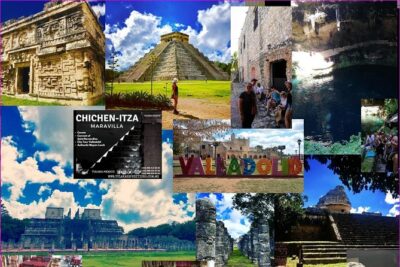
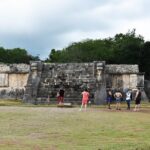
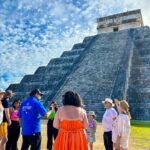
You’ll arrive at Chichén Itzá with about 3 hours on site. Your guide keeps things structured, pointing out the major points and explaining how the complex fits together.
Here’s what you’ll focus on:
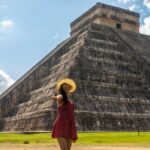
- El Castillo (Kukulkan Pyramid): the signature structure everyone comes for
- El Caracol (Observatory): a key element tied to Maya astronomy
- Plaza of a Thousand Columns: one of the most visually striking open areas
- Plataforma de Venus (Temple of Venus)
- Temple of the Jaguar
- The largest ball court in Mesoamerica
The big win here is timing. Reaching the site earlier means you can actually enjoy the details—like comparing the pyramid’s massing from different angles—without feeling like you’re fighting the crowd flow.
A fair caution: with a 3-hour allotment and a strict day itinerary, you may feel a touch “on the clock.” One of the most common complaints is that each stop can feel slightly rushed. If you’re the type who loves slow museum-style pacing, keep expectations realistic and treat this as an efficient ruins day, not a slow wander.
Cenote Ik Kil swim: lockers, life jackets, and a quick reset
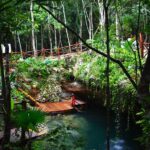
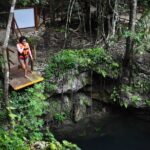
Between Maya sites, you get the break you’ll be grateful for: Cenote Ik Kil. You typically spend about 1 hour here, and it’s set up for you with life jacket use and a locker included.
This is one of those stops that works as both a feature and a mood change. The cenote is described as a sacred place in Maya tradition—your guide will explain that context while you get geared up. Then you cool off in water that’s famously refreshing. A few people explicitly note how cold it can feel once you step in, which makes it extra helpful when you’re coming from hot, open ruins.
Practical notes:
- You’re given the basics for safety (life jacket) and storage (locker).
- One detail worth knowing: towels are not provided. You’ll likely want to wear quick-dry clothes and plan to dry off as you move between areas.
- Bring bug spray for Coba later, but it doesn’t hurt to be prepared in general.
This stop isn’t meant to be a long, leisurely swim. It’s timed—so you use it to refuel physically before you head to Coba’s bigger, more spread-out ruins.
Coba ruins: walking the white roads toward Nohoch Mul
After Ik Kil, the tour heads to Zona Arqueologica de Coba for about 2 hours. This is where you’ll notice the change in vibe: Chichén Itzá is iconic and heavily visited; Coba feels more like a place where the Maya city still has room to breathe.
You’ll see:
- preserved and rebuilt ruins
- two ball courts
- the sacbé, Maya “white roads” that once connected cities
- Nohoch Mul, the tall pyramid that dominates the site
Why I think Coba is worth your time: you get a second look at Maya engineering, but with a different scale and layout. The sacbé paths and the way the grounds open up make it easier to imagine travel and connection across the region.
The only real consideration is effort. Coba rewards walking, and one review specifically calls out the need for bug spray. If you’re not a fan of heat plus bugs, come ready. And if you’re traveling with kids, people mention using bike taxis on-site and suggest having some cash available.

Food on the road: breakfast, buffet lunch, and hydration wins
A day like this can go sideways if the food is weak or the timing is sloppy. Here, the plan includes:
- breakfast: juice, cookies, and a piece of fruit
- lunch: a buffet lunch, plus a soda/pop drink option
- unlimited water bottles on board
What this means for you: you’re not stuck trying to find snacks after you’ve been dropped into ruins zones. The breakfast is light, so you’ll still want to eat enough to feel steady for the morning walk. Then the buffet lunch gives you the energy for the cenote and the Coba leg.
Lunch quality can be inconsistent. One person says lunch was top quality; another says it left something to be desired. I treat that as normal for buffet-style meals on day trips—expect food to be functional and filling, not gourmet.
Hydration is a real value here. The sites are hot, and you’re on the move. Unlimited water takes away one more thing you’d otherwise have to manage.
How the guides shape the day (and why it’s not just facts)
A good ruins guide is the difference between seeing stones and understanding what you’re looking at. The feedback you can spot highlights how guides like Ariann, Tonantzin, Maria (Mimi), Gabriel, Marcella, Tona, Gabrielle, and even Eder affected the experience.
What you’ll likely get from the guide, regardless of name:
- context for key structures (El Castillo, Caracol, ball courts, Venus-related platform areas)
- explanations at the cenote that connect the swim to Maya meaning
- interpretation at Coba so you understand what you’re seeing on the white roads and near Nohoch Mul
One caution: a small number of notes mention some guides being less engaging or feeling a bit rushed. That doesn’t mean the whole tour is like that, but it’s a reminder to keep expectations flexible. With a fixed schedule, there’s less room for extra Q&A at every moment.
Comfort, crowds, and the long-drive reality
This is a full day. You’re mixing early hours, a drive between the major stops, and walking through sun and shade. Several comments focus on the comfort and air-conditioned minivan. That matters because you’ll likely be in transit more than you’d guess when you picture just “three attractions.”
Where people feel it most:
- long drive time can make the day feel heavy
- each site has set time windows
- photo stops compete with your schedule
If you’re planning for the long haul, your best tools are simple:
- pack light layers
- bring bug spray (especially for Coba)
- consider snacks beyond the provided cookies/fruit if you’re a bigger eater
- plan on using the cenote as your real reset
Who should book this tour? (and who might prefer something else)
This tour is a great match if you want to hit the two big Maya powerhouses plus the famous cenote in one day, without organizing tickets and logistics yourself. It’s especially good for first-timers who want a guided framework so the ruins make sense quickly.
You’ll likely enjoy it if:
- you like efficient day plans and early mornings
- you want a small group and a guide to keep moving
- you’re comfortable with moderate physical activity (the tour mentions this fitness level)
- you want a swim break at Ik Kil rather than just photo stops
It might not be the best fit if:
- you hate long days in a vehicle
- you want to linger slowly at each site
- you prefer super flexible timing (this is scheduled travel)
Kids are allowed, but the data is clear: children must be accompanied by an adult. Also, because Chichén Itzá access fees are separate, families should budget for both adult and child rates.
Should you book this Chichén Itzá–Ik Kil–Coba small-group tour?
If your priority is seeing Chichén Itzá + Coba + Ik Kil in one organized small-group day, this is a strong value—especially because Coba and the cenote entrances are covered, and the schedule is built around early arrival. The included water, breakfast, and buffet lunch also remove a lot of friction from a long day.
I’d book it if you’re okay with the reality of a time-scheduled itinerary and a big chunk of driving. I’d think twice if you want slow, deep exploration at one site above all, because the day is designed to cover multiple stops.
Bottom line: this tour makes Maya highlights easier to do well—just don’t forget the separate Chichén Itzá access fee, and come ready for walking, heat, and bugs.
FAQ
What is the duration of the tour?
The tour runs for about 12 hours (approx.).
Where does the pickup happen?
Pickup is offered from Playa del Carmen, Puerto Morelos, Tulum, and other Riviera Maya locations (the exact pickup address is tied to where you join the tour).
How big is the group?
This is a small shared group. The information lists a maximum of 12 people, and it also mentions a maximum of 15 travelers.
Is the Chichén Itzá ticket included in the package price?
No. The package requires a separate mandatory payment for Chichén Itzá access at pickup: $40 USD per adult / $5 USD per child.
What’s included for the Cenote Ik Kil swim?
Cenote Ik Kil includes entrance, plus use of a life jacket and locker.
What food and drinks are included?
You get a light breakfast (juice, cookies, and fruit), a buffet lunch, and unlimited water bottles on the van. Soda/pop is included with the buffet.
Is this tour suitable for people with limited physical ability?
The tour notes moderate physical fitness is required. It involves walking at archaeological sites and a cenote stop.