REVIEW · CANCUN
Cancún: Chocolate Making Class and Tasting with Chef
Book on GetYourGuide →Operated by Jaguar Journey · Bookable on GetYourGuide
You’ll smell cocoa before you even sit down. This Cancun class is a hands-on bean-to-bar chocolate-making experience plus a Mayan chocolate history lesson taught by real people, in a small group setting. I especially liked learning how Mayan-style chocolate gets turned into both spicy drinks and desserts, and then getting my hands into the process with guidance from the chef team (in past sessions, people have worked with guides like Axel Flores and makers like Christy). One thing to consider: transport isn’t included, so you’ll want to plan how you’ll get to the Carl’s Junior Plaza Outlet meeting point.
The class is built for your senses: smell the cacao, taste the ingredients, and follow step-by-step on how chocolate moves from raw bean to finished bar. You also get multiple tastings and pairings, not just a quick bite—so it’s more like a mini workshop than a showroom tasting.
The setup is friendly and practical, with an English instructor and small group size (limited to 6). My one caution is simple: it’s about making and tasting, so wear comfortable clothes and shoes for a warm afternoon, even if the studio is air-conditioned.
In This Review
- Key highlights worth knowing
- Entering Cancun’s Chocolate Lab: What the 2 to 2.5 Hour Class Feels Like
- Mayan Chocolate, Not Just Chocolate: The Story That Shapes the Flavors
- The Sensory Workshop: Touch, Smell, Roast, Taste
- A Cocoa Break: Pre-Colombian Drink, Dessert, and Snack Pairings
- Making Your Own Craft Chocolate Bar: From Ingredients to Take-Home Results
- Price and Value in Cancun: What $109 Really Buys You
- Who Should Book This Chocolate Class (and Who Might Skip It)
- Should You Book the Cancun Chocolate Making Class?
- FAQ
- How long is the Cancun chocolate-making class?
- Where do we meet for the class?
- Is transportation included?
- What language is the instructor?
- How big is the group?
- What’s included in the price?
- Can I take the chocolate home?
- What should I bring?
- Is the activity wheelchair accessible?
- What is the cancellation policy?
Key highlights worth knowing
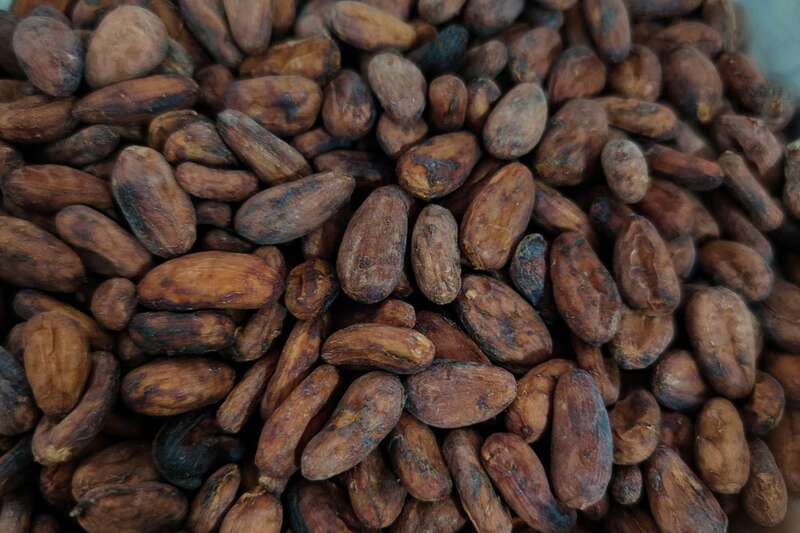
- Mayan chocolate history focused on how cacao was prepared and enjoyed over centuries
- Hands-on bean-to-bar making with guided steps you can actually remember
- Multiple tastings, including a pre-Colombian cocoa-based drink and a chocolate dessert
- Take-home craft bars: you leave with your own chocolate to share
- Small group (max 6), which keeps the class personal
- English instruction with translator support, helpful if your Spanish is rusty
Entering Cancun’s Chocolate Lab: What the 2 to 2.5 Hour Class Feels Like
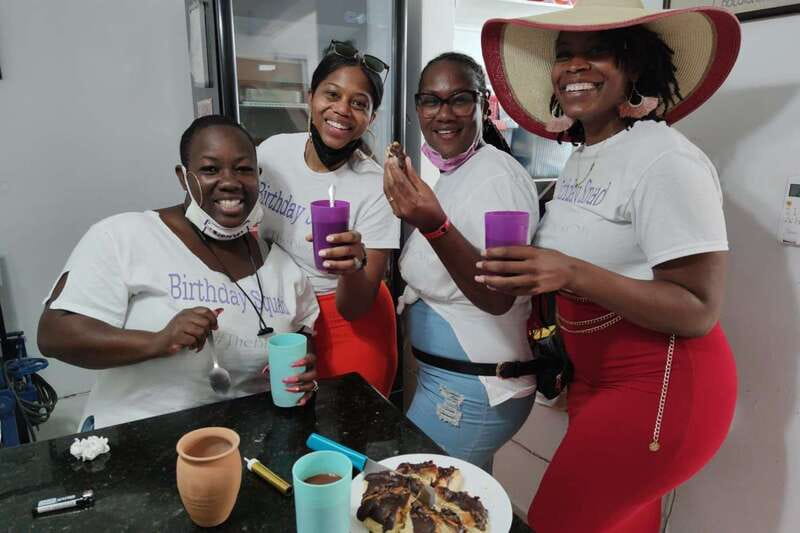
This is the kind of Cancun activity that’s hard to fake. You’re not just tasting chocolate while someone talks. You’re in a working space where cacao ingredients are handled and explained, and you’re expected to participate.
Expect about 2 hours in length (it’s often described as a short course around 2 to 2.5 hours), usually scheduled in the afternoon. It runs best when you treat it like a hands-on class, not a side quest between the beach and dinner. You’ll start by meeting your guide at the Carl’s Junior Plaza Outlet parking lot in Cancun city. If you’d rather not deal with local logistics, round transportation can sometimes be arranged for an extra cost.
One reason I like this format: the time feels focused. You’re guided through history, then straight into the senses—touch, smell, taste—then back to production steps. That flow matters because it connects story to food. You finish thinking, not just snacking.
Also, the class is designed with a small headcount in mind. With a group limited to 6, it’s easier to ask questions when you’re unsure about a texture, a flavor, or what you’re supposed to do next.
You can also read our reviews of more food & drink experiences in Cancun

Mayan Chocolate, Not Just Chocolate: The Story That Shapes the Flavors
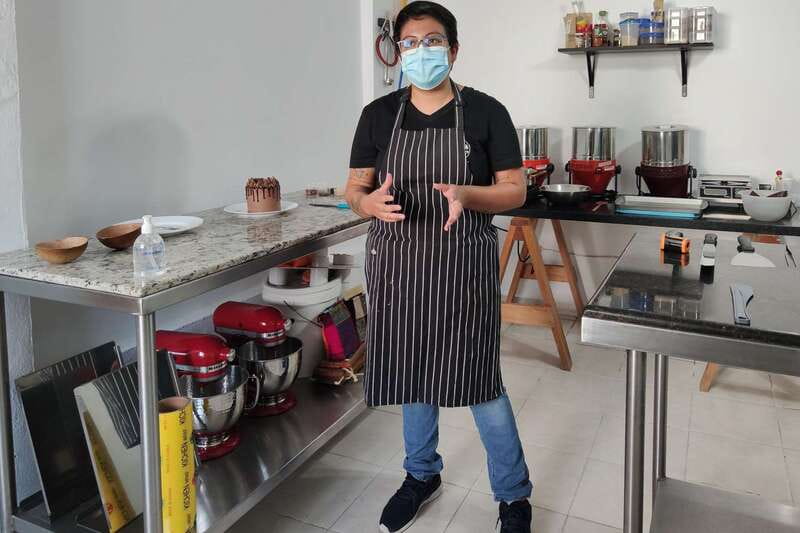
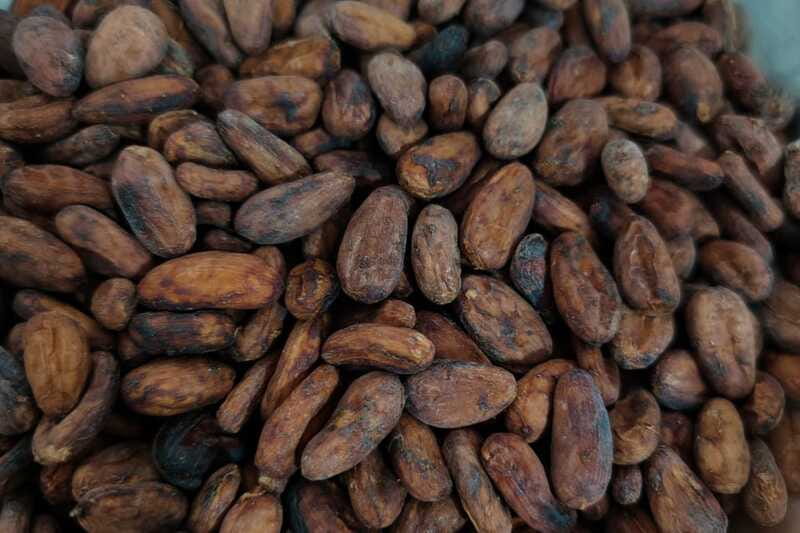
The class begins with context. You’ll hear about the long history of cacao and how the Mayan nobility drank it more than 3000 years ago. That matters because “Mexican chocolate” isn’t one simple flavor. Traditional cacao preparation often leaned into spices, bitterness, and a deeper roasted character than what you find in many supermarket bars.
You’ll also learn how cacao was cultivated and prepared, then how that translates into what you taste during the class. Instead of treating cacao like a trendy ingredient, the chef frames it as food with technique behind it. That’s the difference between enjoying chocolate and understanding why one version tastes spicy while another tastes dessert-sweet.
A practical benefit for you: when you know what the Mayans used cacao for and how they prepared it, your tasting becomes more meaningful. You’ll be better at noticing why something tastes smoky or spicy, why bitterness balances sweetness, and why texture changes as cacao is processed.
The chef isn’t just reading facts. The tone is lively and personal, and past participants have specifically praised guides such as Axel Flores for mixing culture with a serious sense of flavor.
The Sensory Workshop: Touch, Smell, Roast, Taste
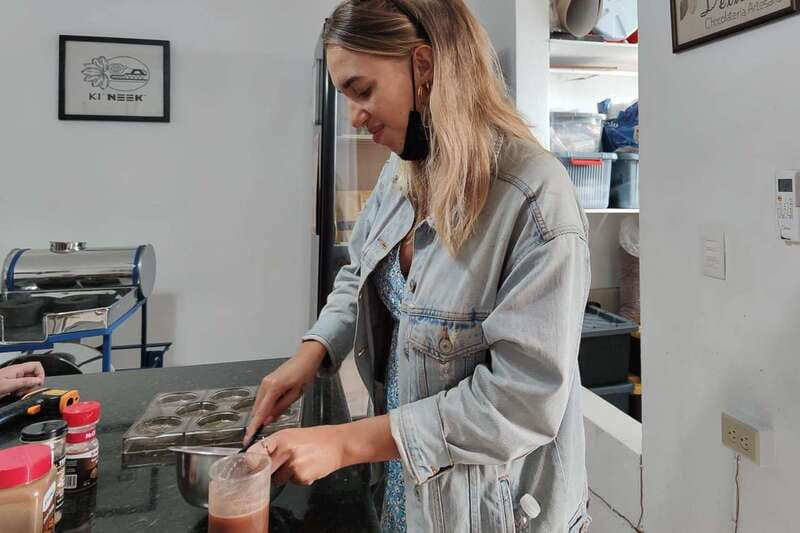
This is where the class becomes memorable. You’re asked to use all your senses—touching ingredients, smelling fresh components, and tasting along the way. In a country where chocolate comes in many forms, that sensory approach helps you learn fast because your brain ties flavor to action.
Here’s what that typically looks like in a cacao workshop like this:
You’ll start with raw ingredients and learn what matters before you make a bar. The chef walks you through the process step by delicious step. You’ll focus on cacao flavors that can range from earthy to roasted to lightly spicy, depending on preparation.
Then you move into tasting moments that make the later chocolate-making make sense. If you’ve ever made something once and then forgotten it, you’ll appreciate this pacing. The class nudges you to notice what changes at each stage, which helps you reproduce the idea at home later—even if you don’t have the same exact cacao beans or kitchen tools.
Past participants also mentioned that the air-conditioned studio makes the class comfortable during Cancun heat. That’s a real quality-of-life detail. You’ll be smelling and tasting, and you’ll want to feel physically comfortable while you do it.
A Cocoa Break: Pre-Colombian Drink, Dessert, and Snack Pairings
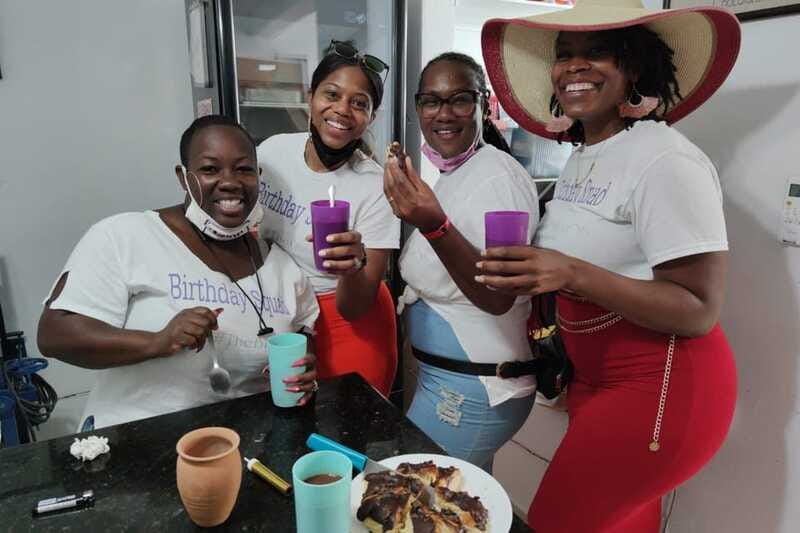
Midway through, you get what I’d call the payoff snack sequence. This class includes:
- 1 chocolate welcoming drink
- 1 pre-Colombian cocoa-based drink
- 1 chocolate dessert
- chocolate homemade snacks
- Plus, a paired experience with local ingredients made to high quality and safety standards
So you’re tasting chocolate in more than one role. That matters because cacao isn’t only for bars. When it’s made into a drink, it behaves differently on your palate. The pre-Colombian-style cocoa drink sets a baseline for bitterness and spice, then the later dessert shows how the same core ingredient can shift toward sweetness and comfort.
I also like that the class doesn’t treat dessert as an afterthought. The chef aims for pairing, so you don’t just eat something sweet—you compare flavors intentionally. That makes the “why” click.
If you’re the type who gets bored by lectures, you’ll like this structure. You get culture first, then flavor, then production, with enough eating breaks to keep energy up without turning it into a long foodie tour with no technique.
Making Your Own Craft Chocolate Bar: From Ingredients to Take-Home Results
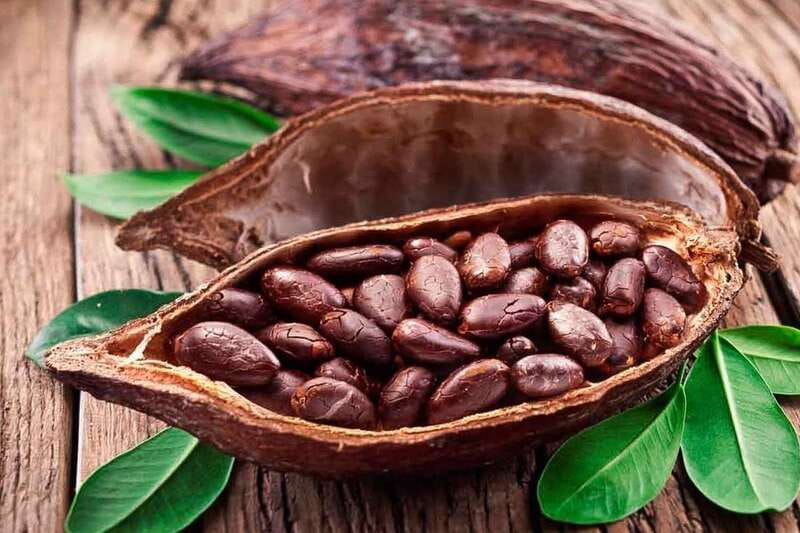
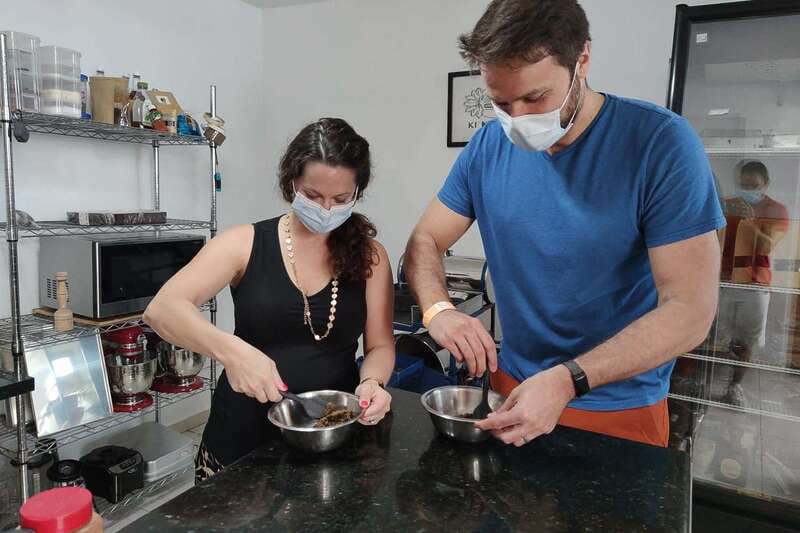
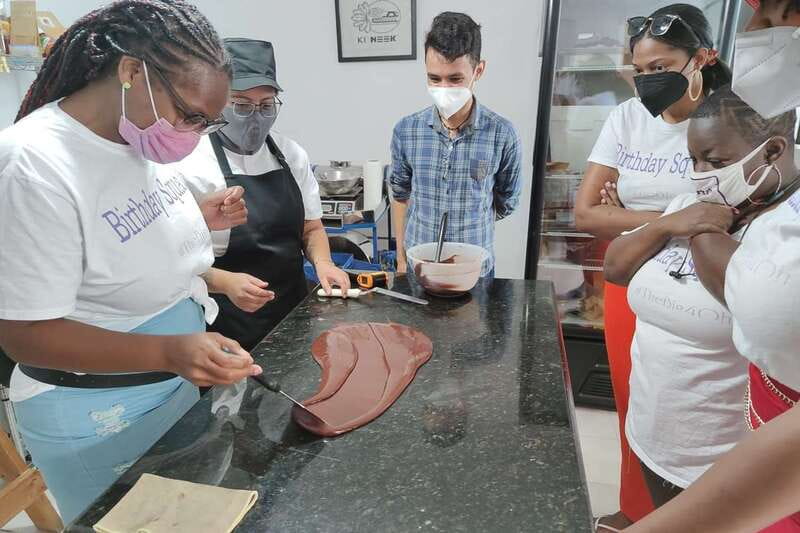
The main event is the craft-making part. After the tasting and the historical framing, you’re guided through making your own craft chocolate using ingredients you get in the studio. The chef shares the secrets behind producing a bar of chocolate you’d actually want to show someone.
Even if you’re not a kitchen person, this is approachable because it’s structured. The chef instructor helps you step-by-step through the process, and your small group size means you’re not lost while everyone else moves on.
A key point for value: you don’t leave with just samples. The class includes 3 craft chocolate bars, and you can take what you make home. That’s a major difference from many tasting-only experiences where you pay for information but get a tiny amount of food.
For practical planning, think about how you’ll carry your bars. If you’re also doing beach time later, pack your chocolate carefully so it doesn’t melt in the heat or smear in your bag. Bring your water and a camera, as requested, but also bring a bit of common-sense packing.
Past participants highlighted how fun and personal the process felt, with some specifically praising the friendliness and flexibility of the instructors (names like Michelle, Vanessa, Andrea, and Mando have come up in earlier classes). That’s a strong sign you’re likely to feel comfortable asking questions.
You can also read our reviews of more tours and experiences in Cancun
Price and Value in Cancun: What $109 Really Buys You
The price is $109 per person, for a short, small-group workshop that includes more than “one taste and a story.”
What you get included matters:
- A chocolate welcoming drink
- A pre-Colombian cocoa-based drink
- 3 craft chocolate bars
- chocolate homemade snacks
- 1 chocolate dessert
- A translator, plus English instruction
That’s why this often feels like better value than a typical chocolate tasting tour. You’re paying for ingredients, coaching, and the final product you can take home. And you’re learning how to connect flavor and process, which is the kind of souvenir you can use later.
The only cost that may surprise you is what’s not included: transport. If you’re staying in Cancun Hotel Zone and you don’t want to figure out a ride, that extra planning cost can affect the true total. Still, the class length is short, so you’re not losing a whole day to logistics.
Also consider how many people you’re traveling with. Because the group is capped at 6, it’s a better pick if you want personal attention rather than a big group demo where you only watch.
Who Should Book This Chocolate Class (and Who Might Skip It)
I think this class is best if you:
- Want a hands-on Cancun activity that’s not just another tour photo stop
- Like food learning with real technique, not only tasting
- Care about where flavors come from, especially Mayan chocolate influences
- Prefer small groups and a guided pace
You might skip it if:
- You’re trying to fill only a quick gap between tours and you don’t want any time learning steps
- You dislike interactive food experiences and prefer purely scenic activities
- You don’t want to arrange your own way to the meeting point
If you’re traveling with kids, it could be a fun option, but you’d want to consider that the class involves hands-on preparation and tasting. For many families, that’s a plus. For others, it’s a lot to fit into a hot afternoon.
Should You Book the Cancun Chocolate Making Class?
Book it if you want a meaningful food experience that ends with something tangible: your own chocolate bars. The mix of Mayan context, sensory tasting, and guided craft-making is exactly the formula that makes chocolate memorable.
If you hate logistics, plan your ride first since transport isn’t included. If you do that, you’ll get a compact, high-reward experience that’s far more interesting than simply buying chocolate at a store.
Go in with comfortable shoes, bring your camera, and treat it like a workshop. You’ll walk out knowing what to look for the next time you taste chocolate in Mexico.
FAQ
How long is the Cancun chocolate-making class?
The experience is listed as 2 hours long, with the course described as about 2.5 hours in some details.
Where do we meet for the class?
Meet your guide at the parking lot of the Carl’s Junior Plaza Outlet mall in Cancun city.
Is transportation included?
No. Transport is not included, but round transportation from your place can be arranged for an extra cost.
What language is the instructor?
The instructor is English, and a translator is included.
How big is the group?
It’s a small group limited to 6 participants.
What’s included in the price?
You get 1 chocolate welcoming drink, 1 pre-Colombian cocoa-based drink, 1 chocolate dessert, chocolate homemade snacks, and 3 craft chocolate bars, plus a translator.
Can I take the chocolate home?
Yes. At the end of the activity, you can take home the chocolate bars you make.
What should I bring?
Bring comfortable shoes, a camera, water, comfortable clothes, cash, and a face mask or protective covering.
Is the activity wheelchair accessible?
Yes, it is listed as wheelchair accessible.
What is the cancellation policy?
You can cancel up to 24 hours in advance for a full refund.