REVIEW · CANCUN
Artisanal Chocolate Bean to Bar Workshop in Cancún
Book on Viator →Operated by Jaguar Journey · Bookable on Viator
This artisanal bean-to-bar workshop in Cancún turns chocolate-making into a hands-on, sensory class. You’ll learn how cacao goes from bean to finished bar with real-world skills like tempering and molding, plus the agriculture side of cacao and how to recognize true artisanal chocolate. My favorite part is how much time you spend using your senses—touching, smelling, and tasting ingredients—not just watching.
I also like the small size: up to 10 travelers means you get the attention you need when you’re working with chocolate. One consideration: at about 2 hours, it’s focused and practical, not a long deep-chocolate marathon—so if you’re chasing ultra-advanced chocolatier technique, you may want more than this class offers.
In This Review
- What you’re really signing up for in Cancún
- Key highlights you’ll care about
- Bean-to-bar in Cancún: what the 2-hour workshop really includes
- The welcome cocoa drink and the sensory start
- Maya cacao stories you can connect to flavor
- Tempering and molding: the hands-on chocolate skills
- Making your own bars: tasting, choosing flavoring ideas, and leaving with chocolate
- Price and value: does $116.99 make sense in Cancún?
- Who should book this workshop in Cancún, and who might skip it
- Quick practical tips for a smooth chocolate-making session
- Should you book this Artisanal Chocolate Bean to Bar Workshop in Cancún?
- FAQ
- How long is the Artisanal Chocolate Bean to Bar Workshop in Cancún?
- What time does the workshop start and where do I meet?
- How many people are in the group?
- What’s included in the price?
- Do I take my chocolate bars home?
- Is there a food allergy consideration?
- Is free cancellation available?
What you’re really signing up for in Cancún
This is a short, chef-led cooking class that starts at 4:00 pm (meeting at Carl’s Jr., Av. Tikal, Supermanzana 40, 77500 Cancún). You’ll get a welcome cocoa drink, a guided walkthrough of the process, and then you’ll make your own bars to take home—wrapped up with tasting and snacks plus 3 chocolate bars included.
If you like food experiences that feel local and hands-on, this one fits well. And because it’s booked about 50 days in advance on average, I’d plan to reserve early if your dates are firm.
Key highlights you’ll care about
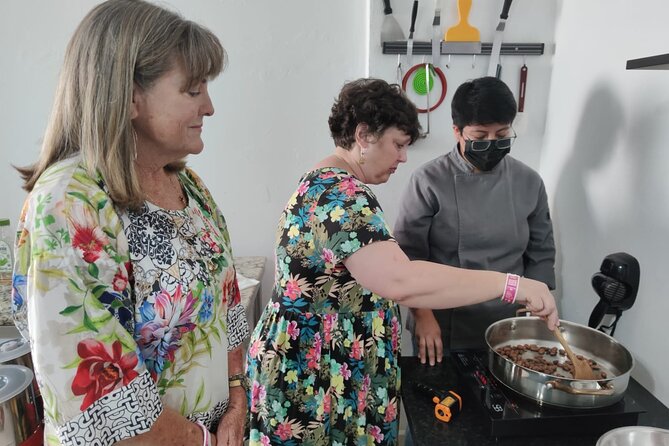
- Bean-to-bar basics with real technique: tempering and molding, not just a history talk
- Maya cacao stories tied to what you’re doing: history and legends connected to flavor
- Small group format (max 10): easier questions when you’re working with chocolate
- Hands-on sensory time: touch, smell, and taste during ingredient and chocolate tasting
- Welcome cocoa drink plus snacks: you start tasting right away
- You leave with your own bars: the package includes 3 bars to take home
You can also read our reviews of more drinking tours in Cancun



Bean-to-bar in Cancún: what the 2-hour workshop really includes
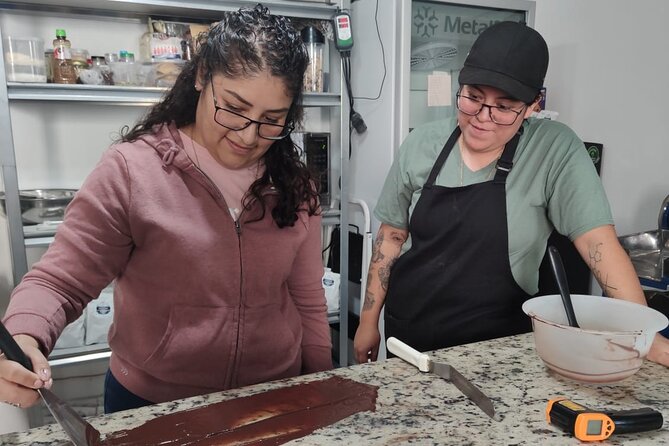
The workshop is built around one simple idea: chocolate is chemistry you can feel. In about two hours, you’ll move through the core steps that make chocolate behave correctly—especially tempering, which is what helps the final bar set with that snap and sheen people associate with good chocolate.
You’re not just learning the steps in theory. The format is chef-guided and hands-on, with a presentation of the chocolate making process and then practical work where you follow along. You’ll also cover how cacao is grown in this region and how to identify what makes artisanal chocolate different from mass-market versions.
And you’ll get a short tasting component with snacks and chocolate tasting. That matters because tempering and ingredient choices show up in the final result. If you’ve ever wondered why some chocolate tastes richer or feels smoother, this class gives you a reason you can connect to what you do with your hands.
The welcome cocoa drink and the sensory start
Right when you arrive, you get a special cocoa drink made with the same chocolate they’re working with. It’s a smart warm-up, because it puts you in the right mood and familiarizes your palate before you handle ingredients.
Then the class shifts into sensory mode. You’ll get fresh ingredients to work with, and you’ll use multiple senses to understand what’s changing. The hands-on part isn’t only about technique; it’s about learning how scent and texture clue you into quality.
From the vibe described by past participants, kids and adults both get engaged during the ingredient stages—things like stirring cocoa elements and tasting in an age-appropriate way. Even if you’re traveling without children, you’ll still appreciate that the class is designed to keep everyone actively involved instead of passively seated.
Practical note: bring a mindset that’s more kitchen-work than museum-tour. You’ll be tasting and handling ingredients, so plan to wear comfortable clothes you don’t mind getting a little cocoa dust on.
Maya cacao stories you can connect to flavor
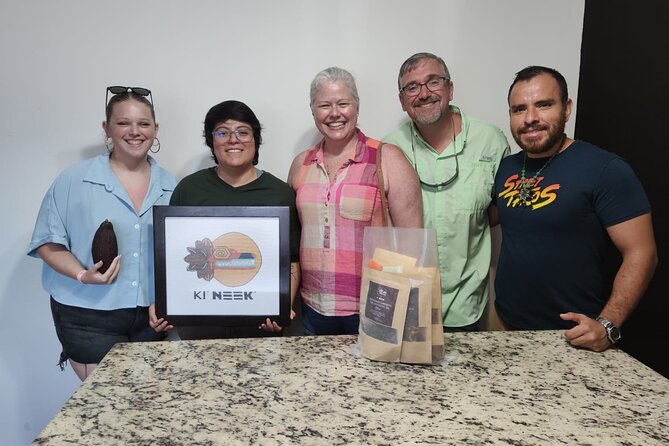
Chocolate here isn’t treated like a modern snack. The class explains how cacao has been loved in this region for thousands of years, including the idea that Mayan ancestors drank hot chocolate in these lands over 3,000 years ago.
What I like about this approach is that it’s not only storytelling for entertainment. The history and legends help you understand why cacao matters beyond taste—how it connects to local agriculture and tradition.
You’ll also learn agriculture techniques of cacao makers, which helps explain why beans can vary so much. In plain terms: flavor doesn’t appear out of nowhere. It comes from growing conditions, handling, and processing—things you’ll start to recognize when you’re tasting later in the class.
And there’s an extra human angle: the chef shares their own journey with the process. That personal route makes the workshop feel grounded, not like a scripted demonstration. It’s easier to pay attention when the teacher sounds like a real person with real experience.
Tempering and molding: the hands-on chocolate skills
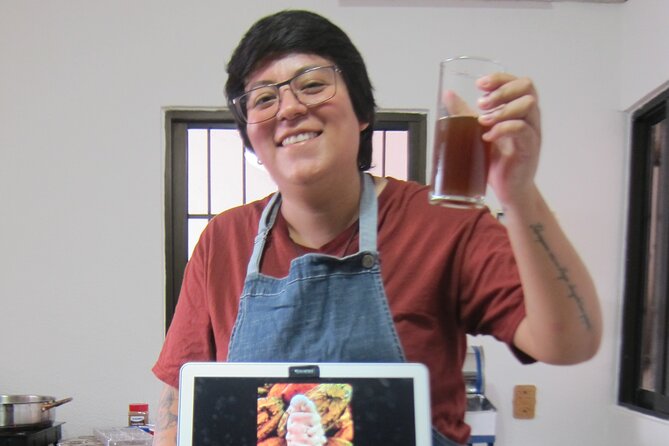
This is where the workshop earns its name. You’ll learn a correct tempering process and how to handle molding so your bars set the way they should.
Tempering can sound intimidating if you’ve never done it. The good news: in a guided workshop like this, the chef’s job is to walk you through what to watch for and how to avoid common mistakes. You’ll see how heat and agitation affect texture, and you’ll understand why tempering is often the difference between chocolate that feels smooth versus chocolate that can look off or taste flatter.
Molding follows naturally. Once the chocolate is tempered, the goal becomes getting it into the right shape and helping it set without ruining the temper. That’s a “do it, then understand it” kind of lesson, and that’s exactly what this class is structured to do.
Also pay attention to the part about identifying a real artisanal bean to bar experience. You’ll learn how to spot quality rather than just chase buzzwords. That skill matters because when you’re buying chocolate in Cancún—or anywhere else—you’ll be more confident choosing bars that match what you made in class.
You can also read our reviews of more tours and experiences in Cancun
Making your own bars: tasting, choosing flavoring ideas, and leaving with chocolate
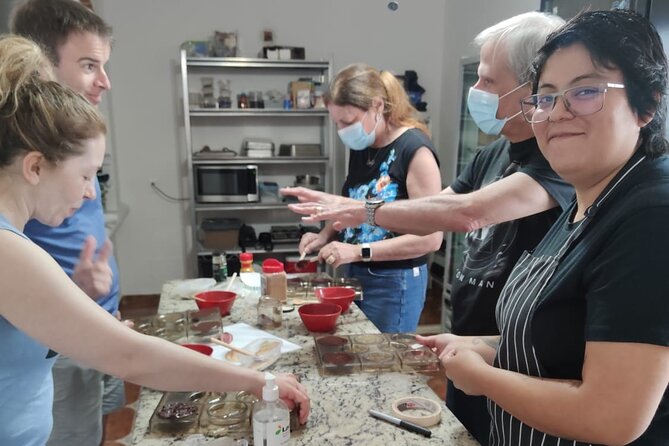
The workshop includes the full arc: you’re taught, you practice, and then you take the results home. After the history and technique pieces, you’ll be given the ingredients and materials to make your own chocolate bar.
You’ll likely notice that the tasting component isn’t separate from the making. It supports it. When you taste the chef’s creations and the snacks provided, you’re building a mental map of what good chocolate should feel and taste like. Then, when you make your bar, you have a reference point.
One review specifically highlighted moments like kids stirring cocoa beans and then tasting the chef’s creations, with children watching and choosing flavoring ideas during the process. That tells me the class isn’t purely technical. It’s also designed to make the flavor-building step feel approachable, even for non-cooks.
When the class ends, you can take your own bars back home. In terms of what’s included, the workshop package lists 3 chocolate bars, so you should expect to leave with multiple bars you helped create (not just a small sample cup).
Price and value: does $116.99 make sense in Cancún?
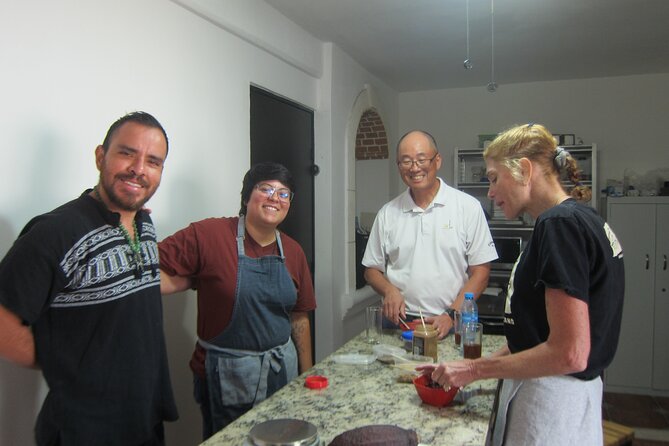
At $116.99 per person for about 2 hours, this isn’t a budget activity. But it can be good value if you look at what’s actually included: you’re paying for hands-on chocolate instruction, ingredients and materials, a welcome cocoa drink, snacks plus tasting, bottled water (purified), and bars you take home.
Many chocolate experiences stop at tasting or at a mostly passive tour of a production space. Here, you’re doing the work: tempering, molding, and finishing a chocolate bar. That’s what you’re really paying for—time with a chef and practical skills you can carry forward.
There are also limits that affect value. The class includes chocolate making materials and tasting, but extras and souvenirs aren’t included, so you shouldn’t expect extra packaged goods beyond what’s in the included bars. Still, if your goal is a hands-on food class with a real outcome, the package lines up well.
One more value angle: the small group size (max 10) usually means better attention during sticky steps. Chocolate can go wrong fast, and a little coaching matters.
Who should book this workshop in Cancún, and who might skip it
This workshop is ideal if you:
- love chocolate and want a hands-on bean-to-bar experience, not just sampling
- enjoy food history that’s tied to what you’re doing
- want a chef-led class with enough structure to keep you moving for two hours
- like interactive experiences where you use your senses—smell, touch, and taste
You might skip it if:
- you’re expecting a full-day course or a long training session with repeated practice
- you’re only interested in tasting and don’t want to work with ingredients
- you’re very price sensitive and prefer free or low-cost sightseeing
It’s also a good fit for families in the sense that the experience includes sensory tasks that can engage children; one past review mentioned kids actively stirring and tasting. Still, the workshop doesn’t list ages or special accommodations, so if you’re traveling with very young kids, you might want to ask the provider in advance whether the pace and tasks fit your group.
Quick practical tips for a smooth chocolate-making session
A few small things will make your afternoon easier:
- Wear comfortable clothes. Cocoa and chocolate work can get messy.
- Plan to stay with the group for the full session since the class flow builds from tempering to molding to finishing.
- Bring a basic curiosity about texture and flavor. The sensory parts are where you’ll learn the most.
- If you have food allergies, check in before the workshop. The listing flags food allergies, but it doesn’t spell out ingredients or substitutions, so confirmation with the provider is smart.
Also, because it starts at 4:00 pm and lasts about two hours, it’s a nice early-evening plan. You can pair it with dinner afterward.
Should you book this Artisanal Chocolate Bean to Bar Workshop in Cancún?
I think you should book it if you want a hands-on chocolate class that actually teaches skills—especially tempering and molding—and you like the idea of connecting those skills to the cacao roots of this region. The small group size and the fact that you leave with 3 bars make the experience feel complete, not like a quick stop.
I’d hesitate if you want a long, slow cooking course or if you only care about tasting. In that case, look for something more purely sample-based. But if you’re excited to work with chocolate, learn what makes artisanal bars different, and bring home your own creation, this workshop is a strong choice for your Cancún trip.
FAQ
How long is the Artisanal Chocolate Bean to Bar Workshop in Cancún?
The workshop lasts about 2 hours.
What time does the workshop start and where do I meet?
It starts at 4:00 pm and the meeting point is Carl’s Jr., Av. Tikal Supermanzana 40, 77500 Cancún, Q.R., Mexico. The activity ends back at the meeting point.
How many people are in the group?
The class has a maximum of 10 travelers.
What’s included in the price?
You get ingredients and materials to make your own chocolate bars, snacks with a chocolate tasting, a presentation of the chocolate making process, bottled purified water, and 3 chocolate bars.
Do I take my chocolate bars home?
Yes. You’ll be able to make chocolate bars during the class and take them back home to share.
Is there a food allergy consideration?
The experience notes food allergies, but it doesn’t provide ingredient specifics in the information provided. It’s smart to check with the provider before booking if allergies apply to you.
Is free cancellation available?
Yes. You can cancel up to 24 hours in advance for a full refund.