REVIEW · CANCUN
Diving in the Mexican Caribbean for Beginners | 2 Tanks 2 Dives | All Inclusive
Book on Viator →Operated by Go Diving Cancun · Bookable on Viator
Stepping into scuba for the first time is a big deal, so I like how this format sets you up with clear safety coaching and real water practice before you head underwater. Two things I particularly like: the small group size (max 6) that keeps attention on you, and the mix of a guided first ocean session plus a second reef stop where you can spot more tropical life. One consideration: ocean conditions can cause sea sickness, and one past participant said they had to stop early.
This is built for true beginners. You’ll start at the marina, get fully fitted with your scuba equipment, learn hand signals and breathing basics in a short theory session, then practice in a pool so you’re not learning everything on the spot.
From there, it’s boat time (about 30 minutes each way) and two underwater experiences. The first one is at MUSA, the underwater museum with 400 sculptures. The second one is a natural reef where the experience often feels more alive and varied.
In This Review
- Quick highlights before you go
- Why This Beginner-Friendly Scuba Setup Works
- Marina Check-In and Getting Fitted With Your Equipment
- Theory and Pool Practice: Learning Skills Before Open Water
- The Boat Ride and Descent Plan (What the Timing Feels Like)
- Stop One: Museo Subacuatico de Arte (MUSA) at 10 Meters
- Stop Two: Natural Reef for More Tropical Variety
- What You Get for $190.69: Real Value Check
- Who Should Book This and Who Should Skip
- Practical Prep Tips That Make the Day Easier
- Should You Book This Cancun Beginner Program?
- FAQ
- What’s included in the price?
- How many people are in the group?
- Do I need to bring a wetsuit?
- Where does the tour start, and when?
- Are there health limits?
- What happens if weather is bad?
Quick highlights before you go
- Max 6 people means your instructor stays focused on you, not a crowd
- Theory first, then pool practice so you get confidence before the open-water time
- MUSA at 33 ft / 10 m plus 400 underwater sculptures
- Natural reef second for tropical fish variety and a different feel than the museum
- Included snacks and drinks (water, juice, cookies, fruit) keep your energy up
- Photo package cost is extra and commonly reported around $70 to $85
Why This Beginner-Friendly Scuba Setup Works
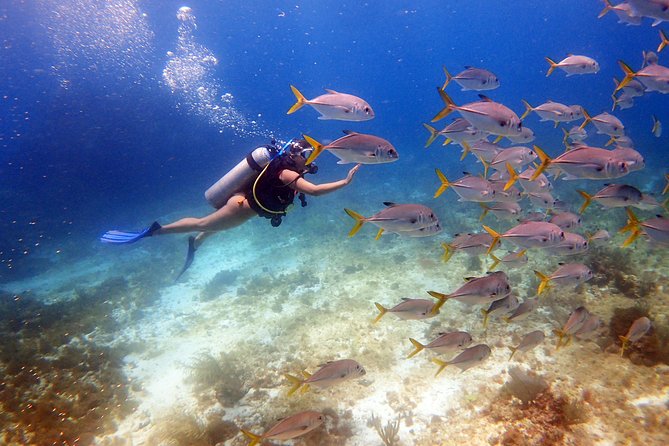
This tour is structured like a confidence-building ladder. You don’t just show up, get gear, and jump in. You build the basics in stages: classroom basics for safety and communication, pool practice for the physical skills, then two controlled ocean sessions.
That matters because scuba is mostly about calm habits. Breathing, buoyancy control, and understanding hand signals are learnable. The best beginner experiences treat them as skills, not luck.
I also like that this isn’t trying to be a full-day marathon of random stops. It’s about two ocean sessions, each kept to about 35 minutes underwater, with a clear return window back to the marina. That makes the day feel organized instead of chaotic.
One more practical plus: they emphasize safety and give you equipment fitting right away at the marina. For first-timers, that reduces stress because you’re not searching for anything or trying to manage gear while anxious.
You can also read our reviews of more scuba diving tours in Cancun
Marina Check-In and Getting Fitted With Your Equipment
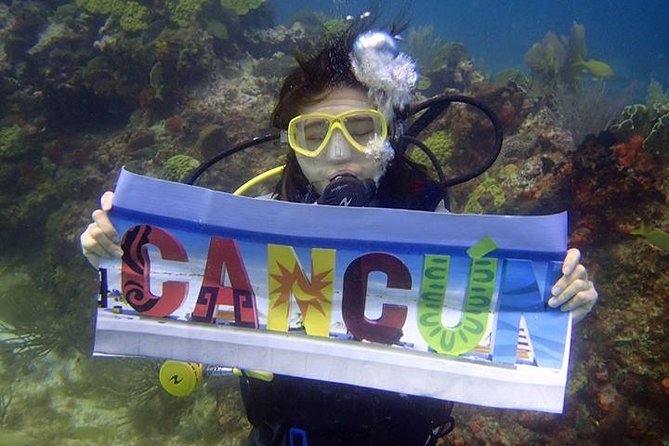
Your morning starts at Pescador, Kukulcan Boulevard, Zona Hotelera, Cancún at 8:00 am. The whole point of meeting at the marina is simple: you can get sorted quickly. The operator says they’ll be waiting for you, and they’ll assign your full scuba equipment based on your size.
That sounds obvious, but it’s huge for comfort. A good fit makes everything easier: you spend less time adjusting, and you can focus on technique. Several people highlighted that gear felt comfortable and easy to use, and that the crew helped with setup.
Also plan for what’s included versus not. The price includes all equipment needed and snacks plus bottled water. It does not include a wetsuit if you need one. One consistent cost you should budget for: wetsuit rental has been reported around $10, so if you’re sensitive to cooler water, factor that in.
Theory and Pool Practice: Learning Skills Before Open Water
You’ll begin with a theory session that lasts about 35 minutes. The goals are very specific:
- how the equipment works
- how you communicate using signs underwater
- how your body works underwater
- the diving techniques you’ll need
Safety is prioritized here. They focus on basics first, especially communication and breathing habits. That matters because first-time anxiety usually comes from not knowing what to do if something feels odd. When you’ve already practiced the plan, you can trust your routine.
Next comes the pool session. This is the part I think you’ll value the most, even if you feel nervous. The operator describes the pool practice as very similar to what you’ll do at sea. That means you get muscle memory before you’re dealing with waves, currents, and visibility.
From the way past participants described their experience, the coaching style tends to be patient and encouraging. People named instructors like Clemente / Clementine, and they repeatedly praised clear instructions and reassurance when they felt unsure.
If you’re choosing between doing scuba today versus later, this pool step is one reason to pick a beginner-focused program like this.
The Boat Ride and Descent Plan (What the Timing Feels Like)
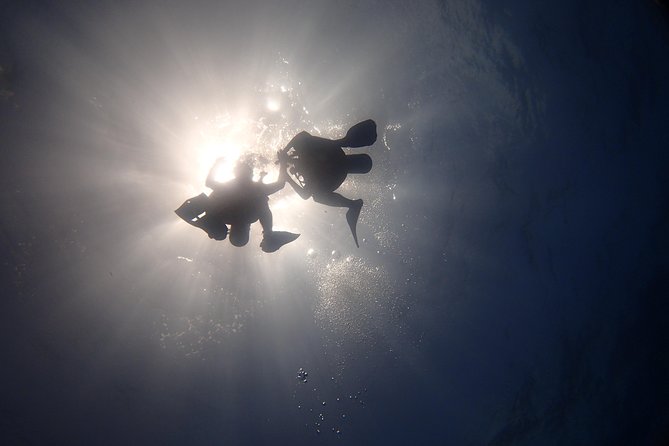
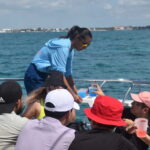
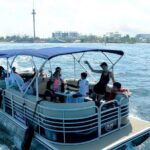
After the pool and prep, you’ll board a boat to the descent area. The ride is about 30 minutes, so expect a real “getting there” segment, not a quick skip across the water.
At the site, the group ties to buoys for the descent. That’s a small operational detail, but it’s actually helpful for beginners. It keeps the plan steady. You’re not drifting around while learning.
Then you’ll go down with your guide. The first underwater session is planned for about 35 minutes. You’ll return after the second session, with another 30-minute boat trip back to the marina.
One consideration: motion sickness risk is real. If you’re prone to feeling sick on boats, bring what you normally use for that. One participant specifically mentioned sea sickness and couldn’t complete the final portion. You can’t control the water, but you can control your prep.
Stop One: Museo Subacuatico de Arte (MUSA) at 10 Meters
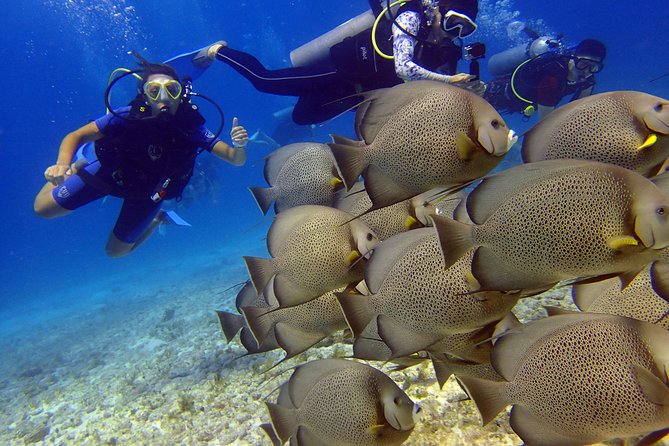
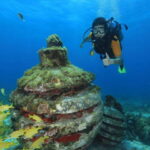
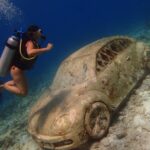
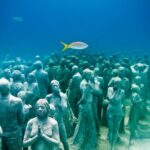
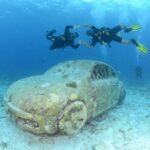
The first underwater location is the Museo Subacuatico de Arte (MUSA), also known as the underwater museum. The plan is about 35 minutes underwater at around 33 ft / 10 m.
This site is unique because you’re not just looking at fish. You’re swimming through art. The operator notes 400 underwater sculptures, which gives the experience a built-in sense of discovery. There are shapes, textures, and scenes that keep your attention moving instead of focusing only on your breathing.
For a beginner, this can be a psychological win. When you have something interesting to look at, you tend to stay calmer. Your instructor can also point out details and keep you aligned with the group.
Practical drawback: the museum feel means your eyes will do more scanning. If you’re easily overwhelmed, remind yourself this is okay. Focus on your buoyancy and breathing first, then let the art guide your attention after you feel stable.




Stop Two: Natural Reef for More Tropical Variety
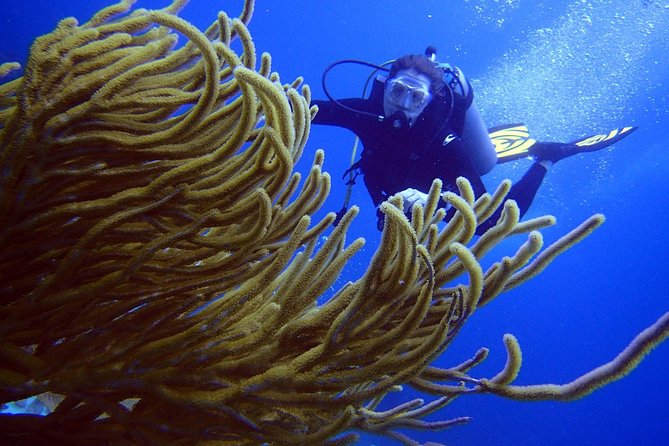
After MUSA, you head to the second underwater site: a natural reef. This second session is also planned for about 35 minutes underwater.
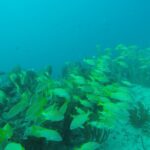
Even though MUSA is the famous stop, the reef is often what people remember most in terms of life and movement. Several participants felt the reef was even better than the museum, mainly because it’s more directly about living marine variety.
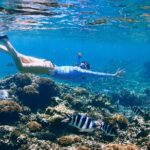
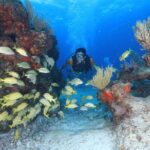
Here, you can expect the kinds of sights that make people fall in love with scuba: different fish, reef structure, and the general “everything is doing something” feeling of a living ecosystem. One review mentioned spotting sea turtles and lobsters, and others praised the diversity of tropical life.
For beginners, a reef can also be easier on the brain than a sculpture field. There’s usually a natural rhythm to exploring: you can follow your guide’s cues, check the area around you, and keep your attention on simple visual goals.
What You Get for $190.69: Real Value Check
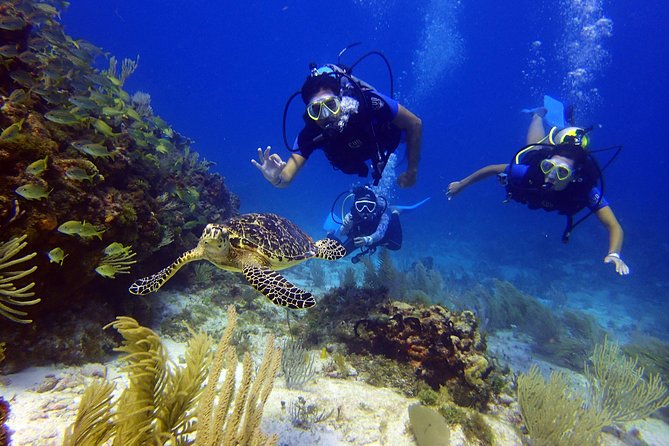
At about $190.69 per person for a roughly 6-hour experience, this sits in a price zone that can feel steep—until you look at what’s included.
Here’s the value math:
- Two ocean sessions (both around 35 minutes underwater)
- Pool practice + theory (not just a quick intro)
- Full equipment provided
- Snacks and drinks included (bottled water, juice, cookies, fruit)
- Small group with a maximum of 6
- Big, fast, comfortable boats
- All fees and taxes included
The main “not included” item that can change your final total is transportation. Hotel-to-marina transport isn’t included. Since you’re starting at Zona Hotelera, you’ll want to plan a reliable ride to the meeting point.
Then there’s the photo cost. People often recommend budgeting for the photo package, with reported costs around $70 to $85. If you want the underwater images without stress, it’s smart to treat photos as an add-on you decide on that morning.
Overall, this price makes sense if you value structured beginner support and want two underwater experiences, not just one.
Who Should Book This and Who Should Skip
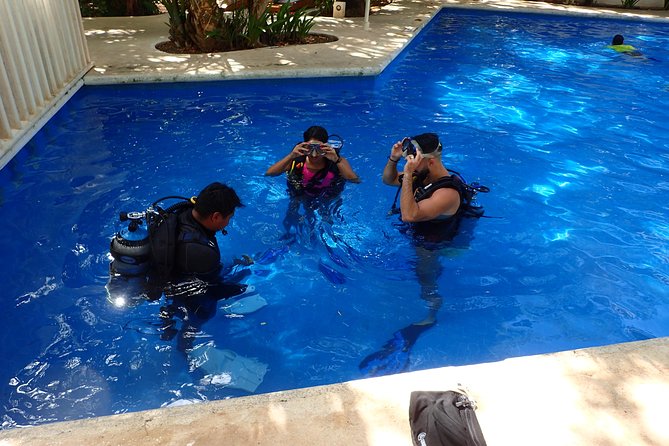
This program is clearly aimed at beginners who want professional support and a manageable first experience.
It’s best for you if:
- you want step-by-step instruction (theory + pool practice + guided ocean time)
- you appreciate small-group attention
- you’re interested in both the underwater museum at MUSA and a second natural reef site
- you can swim (this is explicitly required)
It may not be the right fit if you:
- have asthma
- have controlled or uncontrolled high blood pressure
- have respiratory problems
- need to fly within 24 hours of the experience (not recommended in the provided info)
Also note the physical baseline: they ask for a moderate physical fitness level. That doesn’t mean you need to be an athlete. It does mean you should be comfortable with the day’s routine and water work.
If you’re thinking about this as a family activity, note that the coaching style has been described as good even with kids in some cases. Still, the swimming requirement and health limitations always come first.
Practical Prep Tips That Make the Day Easier
These are the few things that will help you feel calm and in control:
- Arrive early enough to check in and get suited without rushing. The day starts at 8:00 am.
- Bring what you need for sun and comfort at the marina and on the boat (sunglasses, sunscreen). The tour provides snacks and drinks, but personal comfort prep is on you.
- Plan for motion sickness if you’re sensitive. The group schedule leaves little room for a long recovery.
- Know your swim ability. They explicitly require knowing how to swim.
- Budget for a wetsuit if you need one. A reported rental cost is about $10.
- Decide early if you want the photo package. If you do, it’s useful not to treat it like an impulse later.
One more tip: in photos and gear-heavy experiences, it’s easy to get flustered. Stick with the instructor’s pacing. The whole format is built around you doing things in the right order.
Should You Book This Cancun Beginner Program?
I’d recommend this if you want a beginner-friendly first scuba experience that feels guided end to end, with pool practice and two different underwater experiences. The small group size is a big deal for first-timers, and the two-site plan is a good mix: art at MUSA plus a natural reef for marine variety.
Skip it or ask extra questions first if you’re dealing with any of the stated health limitations (asthma, blood pressure issues, respiratory problems) or if you know boat motion hits you hard. Also double-check your transportation plan since it’s not included.
If you book, go in with a simple mindset: follow instructions, breathe steadily, and let the sites come to you. The day is set up so you can focus on learning, not chaos.
FAQ
What’s included in the price?
The price includes all scuba equipment needed, bottled water, juice, cookies, and fruit snacks. It also includes all fees and taxes, plus big, fast, comfortable boat transport on the water portion.
How many people are in the group?
This experience has a maximum of 6 travelers, so you get more one-on-one attention than in large groups.
Do I need to bring a wetsuit?
A wetsuit is not included. If you need one, you should plan to rent it separately.
Where does the tour start, and when?
It starts at Pescador, Kukulcan Boulevard, Zona Hotelera, Cancún at 8:00 am, and it ends back at the same meeting point.
Are there health limits?
Yes. The experience is not recommended for travelers with asthma, controlled or uncontrolled high blood pressure, or respiratory problems. You also must know how to swim.
What happens if weather is bad?
This experience requires good weather. If it’s canceled due to poor weather, you’ll be offered a different date or a full refund.