REVIEW · CANCUN
Two Tanks Scuba Diving for Beginners in Cancun
Book on Viator →Operated by A' HA' Scuba Diving · Bookable on Viator
That first breath underwater changes everything fast. This one-day Cancun experience mixes pool skill practice with real two-tank water time at two very different sites. I especially like the way you get calm, step-by-step coaching before you head out, and I love the contrast between the MUSA underwater museum and Manchones Reef. The main consideration: you must swim and complete the required skills in the water, and if you can’t, there’s no refund for safety reasons.
You’ll follow a tight, beginner-friendly rhythm: medical questionnaire, basic theory, then pool practice with an instructor and qualified team. After that, you board the boat and finish with two tank sessions before returning to the dock around 1:00 p.m. The small group size (max 8) matters here. You feel like the staff is watching you closely, not just passing you from station to station.
For gear and comfort, it’s mostly plug-and-play. You get full scuba equipment, plus a wetsuit, and you’re told not to use sunscreen (coral protection). If you’re prone to motion sickness, take the recommended anti-nausea help before the boat ride—this part can make or break the morning.
In This Review
- Key Things That Make This Beginner Course Work So Well
- Two Tank Sessions From Cancun: A Clear One-Day Rhythm
- Safety Rules and Medical Limits You Can’t Skip
- Medical Questionnaire, Basic Theory, and Pool Skills That Set You Up
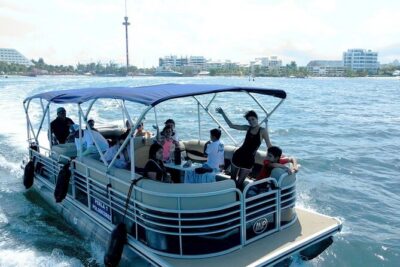
- Boat Morning: What Happens Between Check-In and Open Water
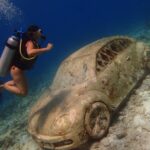
- MUSA Underwater Museum Statues: Your First Underwater Tank
- Manchones Reef: Wildlife Watching That Makes the Second Tank Feel Worth It
- Small Group Attention With Marin, Lorena, and Carolina
- Gear, Wetsuit, and Comfort Tips for a Better Morning
- Photos and Value: How Much Extra Is Really Worth It?
- Price and Value: Is $169 a Good Deal?
- Should You Book This Beginner Two-Tank Course in Cancun?
- FAQ
- How long is the Two Tanks scuba course?
- Is certification required?
- What are the two underwater locations?
- What’s included in the price?
- Do I need to know how to swim?
- What health conditions prevent participation?
- Is there a time requirement before flying?
- Should I take motion sickness pills?
- Is transportation from my hotel included?
Key Things That Make This Beginner Course Work So Well
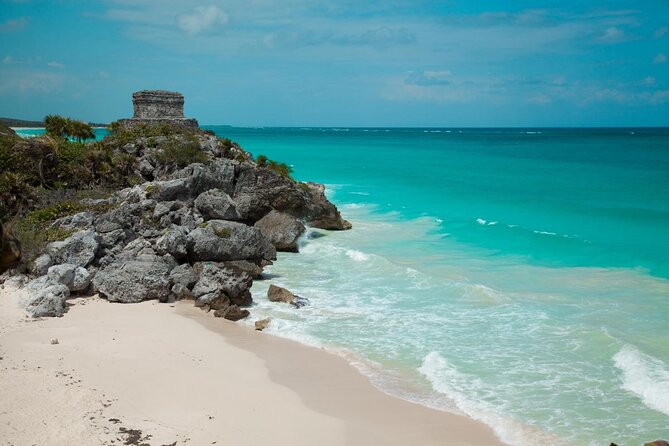
- Two distinct underwater locations in one morning gives you variety without dragging out the day
- Small group size (max 8) means more attention during skills and in the water
- Pool practice + basic theory helps first-timers get confident fast
- Instructors like Marin, Lorena, and Carolina use patient, calming coaching (often with humor)
- Full equipment and wetsuit included so you can travel light
Two Tank Sessions From Cancun: A Clear One-Day Rhythm
This experience runs about 5 hours, with a check-in around 8:00 a.m. and a boat departure slated for 9:30 a.m. You’ll typically be back near the meeting point by roughly 1:00 p.m. That timing is practical: you’re not committing to a whole day, but you still get real underwater time after the training.
The flow is also built for people who have never done this before. You don’t just get handed gear and sent off. You start with forms and a short theory block, then you practice the core movements in the pool before stepping onto the boat. That setup is the difference between feeling curious and feeling overwhelmed.
One more logistics detail you’ll appreciate: it’s based out of the Hotel Sotavento Cancun area (Km. 4, Blvd. Kukulcan). If you’re staying in the Hotel Zone, this is a straightforward start point, and it’s near public transportation too.
You can also read our reviews of more scuba diving tours in Cancun
Safety Rules and Medical Limits You Can’t Skip
The rules here are firm, and you should treat them that way. People with asthma, heart or brain problems, high blood pressure, lung lesions, organ transplant, diabetes, epilepsy, or any surgery within the last year cannot participate. That’s not just paperwork—it’s part of keeping you safe during pressure changes and underwater exertion.
There’s also a skill requirement that trips some first-timers up: you must know how to swim, and you need to perform basic scuba skills in the water. If you can’t complete the skills during the session, there’s no refund, because the service has to move forward for safety.
Plan for motion and stamina too. The tour lists a moderate physical fitness level. Most first-timers find it manageable, but it’s still work: you’ll wear a wetsuit, handle the gear, and follow breathing and control instructions while the boat is moving.
Finally, remember the air-travel timing. After diving, you’ll need to rest 18–24 hours before taking a plane. If your Cancun schedule includes a tight flight the next day, build in that buffer.
Medical Questionnaire, Basic Theory, and Pool Skills That Set You Up
The training segment is what makes this a true beginners course instead of a “try it if you can” experience. You’ll fill out a medical questionnaire, then do a basic theory lesson focused on how scuba equipment works and how your body should behave underwater.
After that, you move into pool practice to perform the skills you’ll use later. The goal isn’t to make you perfect. It’s to help you understand what to do when something feels unfamiliar—how to manage buoyancy basics, how to communicate, and how to handle your gear movements while staying calm.
This is also where the guides’ teaching style shows up. Names you’ll hear often include Lorena, Marin, and Carolina. In the way the program operates, the coaching is patient and encouraging, with enough explanation that you’re not guessing. Several past participants highlighted how instructors take time to ease nerves and guide breathing rhythms, which is exactly what you want when your heart is racing.
Tip that’s worth taking seriously: if you get anxious during pool time, tell the instructor right away. The structure here gives you space to practice until you’re ready to progress.
Boat Morning: What Happens Between Check-In and Open Water
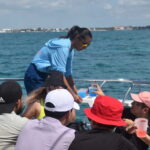
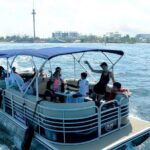
Once check-in is done, you’re waiting for the boat schedule to kick in. Check-in is 8:00 a.m., but the boat leaves around 9:30 a.m. During that gap, you’ll usually be getting fitted and ready, then stepping into the teaching flow if you haven’t already.
Because you’re on a boat, seasickness is a real factor. The guidance is clear: take anti-nausea pills 1–2 hours before getting on the boat. If you’re even mildly prone to motion sickness, don’t gamble with it. Start the morning with a plan.
For what to bring, keep it simple and functional:
- ID (you’ll need it)
- Towels
- Swimsuit (and plan to get wet)
- Any personal items you want for comfort
Also, protect your stuff. People commonly prefer storing belongings at the beginning of the boat trip or using a waterproof sack so your phone and documents don’t end up as aquarium décor.
One more coral-protection rule: sunscreen isn’t allowed for this activity. Plan on wearing protective clothing or using non-sunscreen options you already travel with (and save actual sunscreen for off-shore time).
MUSA Underwater Museum Statues: Your First Underwater Tank
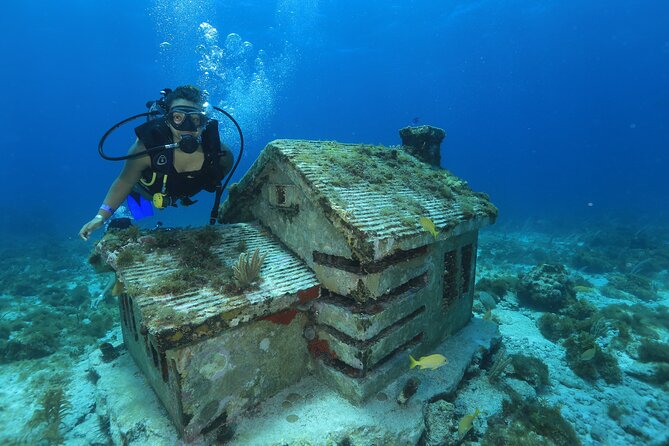
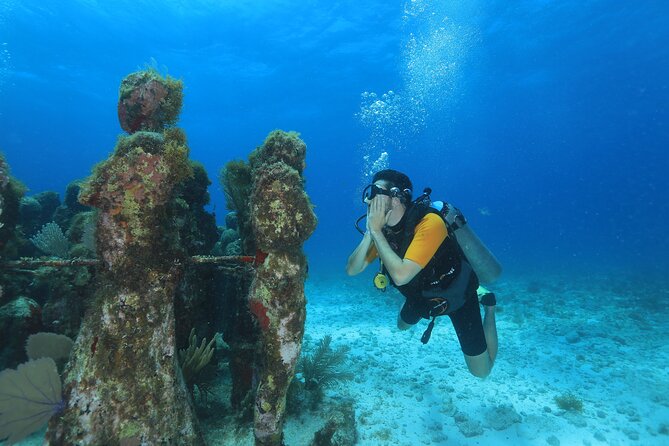
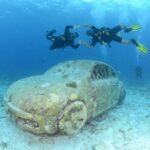
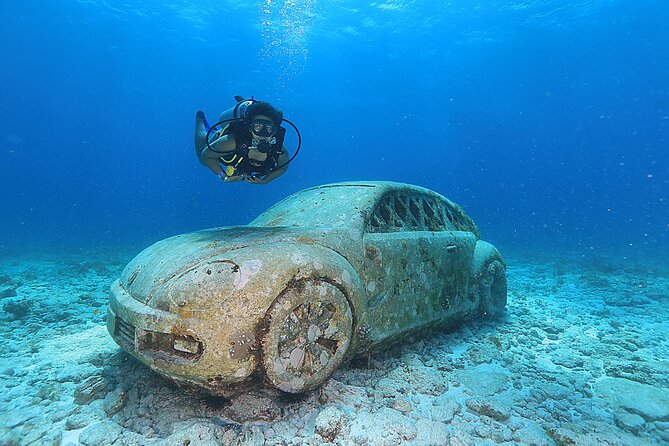
The first tank session is at MUSA (Underwater Museum). This is a great starting site for beginners because it’s an established underwater museum space where you can focus on fundamentals while still seeing something visually interesting. You’re not just looking for fish—you’re looking at art underwater, which helps the time feel less like training and more like a real experience.
Expect statues and plenty to observe. Past participants specifically called out how guides point things out underwater and how the museum setting adds interest beyond plain reef scenery.
Here’s what I think you’ll find most valuable about starting at MUSA: it’s a controlled-feeling first location. You can concentrate on staying comfortable, keeping your breathing steady, and following the instructor’s hand signals, while the underwater environment holds your attention.
If you’re nervous, this first site is also where instructors tend to work hardest to help you stay calm. Several accounts mention staff actively checking in and using coaching that’s both professional and reassuring.



Manchones Reef: Wildlife Watching That Makes the Second Tank Feel Worth It
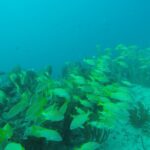
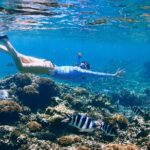
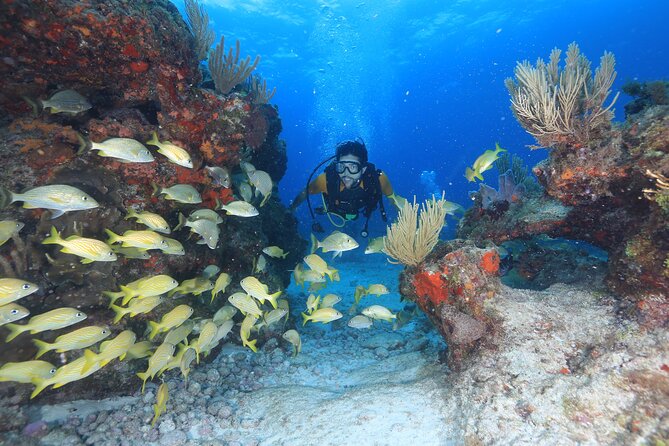
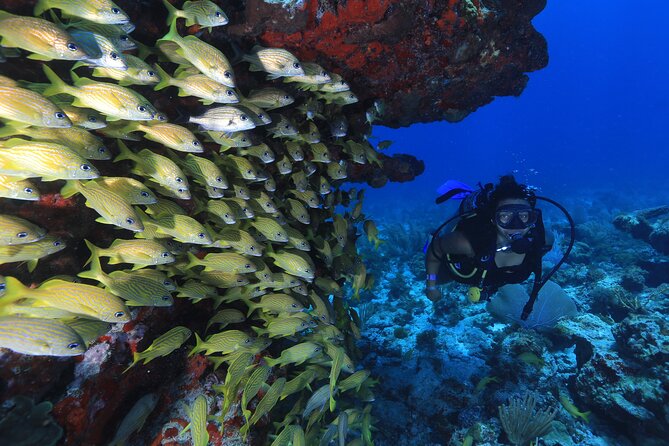
Your second tank session is at Manchones Reef. This is where the underwater experience turns more “alive,” with more wildlife and natural coral structures to explore.
In snorkeling terms, you might think you know what reefs are like. In scuba terms, you’re closer, slower, and able to observe behavior rather than just spot color. People who have done this course reported seeing things like sting rays, turtles, octopus, lobsters, nurse sharks, moray eel, puffer fish, and plenty of tropical reef fish.
Manchones Reef also seems to reward good teamwork. Instructors use hand signals and guidance to help you notice what’s around you, not just what’s in front of you. One standout detail from previous participants: instructors sometimes use a flashlight to spot creatures tucked under rocks—so if you notice dim corners, it’s not a trick. It’s part of the wildlife game plan.
This second tank often lands as the most memorable part for first-timers because you’re no longer spending your attention on “how do I do this.” You’re spending it on “what do I see next.”
Small Group Attention With Marin, Lorena, and Carolina
A max group size of 8 travelers sounds like a number on paper. In practice, it means you spend more time being watched and coached. You’re not just in a crowd. You get help fast if something feels off—whether it’s buoyancy control, equipment adjustments, or simply calming down when the ocean feels big.
Names that come up again and again include:
- Marin (often praised for patience and professional humor)
- Lorena (praised for thorough explanations and first-timer confidence-building)
- Carolina (praised for helpful support and smooth preparation)
One practical difference I love about teams like this: they don’t ignore your individual needs. People reported that guides checked on them during both underwater sessions and adjusted guidance to what they were seeing in body language. That matters because a beginner’s face can say one thing while their breathing says something else.
If you’re traveling as a solo rider, this setup can feel especially comforting. You’re not “the odd one out.” You’re just another student getting real attention.
Gear, Wetsuit, and Comfort Tips for a Better Morning
This experience includes full scuba gear: BCD, regulator, mask, fins, plus a wetsuit. That’s a huge value add because you don’t have to rent or carry equipment yourself. It also reduces hassle at check-in, which helps you focus on learning instead of troubleshooting.
Still, you’ll want to think about comfort:
- Bring a plan for drying off after pool and water time (towels help)
- Consider a waterproof bag/sack for phones and valuables
- If you wear your own rash guard or protective clothing, that can help reduce sun exposure since sunscreen isn’t allowed
When you’re new, your body may respond differently than you expect. That’s why the pool stage matters so much. Your first underwater movements are less shocking if you’ve already practiced the mechanics once.
Finally, remember that the boat ride is part of the experience. Anti-nausea medication is suggested, and paying attention to timing (1–2 hours before) is smarter than taking it at the dock.
Photos and Value: How Much Extra Is Really Worth It?
Photos and videos are optional. If you want professional underwater shots, there’s an additional photo/video package available.
From the way people describe the results, the package can be a strong add-on if you don’t want to juggle your own camera setup while learning scuba basics. Some participants compared the instructor-captured images to what they could do with a personal camera and felt the professional results were better, especially because they didn’t have to manage filming and scuba skills at the same time.
If you want to travel with your own GoPro or similar camera, that’s your call. But if your main goal is learning and enjoying the experience, the photo package is a practical way to preserve the memory without turning your first attempt into a tech project.
Price and Value: Is $169 a Good Deal?
At $169 per person, you’re paying for far more than just two underwater sessions. The price includes:
- Basic theory
- Pool lessons
- Two tank sessions (MUSA, then Manchones Reef)
- Full equipment (BCD, regulator, mask, fins)
- Wetsuit
For a beginner, that bundled training is the big value. Many travelers underestimate how much time goes into fitting, equipment checks, and supervised practice. Here, the model is set up so you don’t have to book training separately or guess whether your gear rental will match your comfort needs.
Another value point: small group size. When you have fewer people in the water at once, the instruction tends to be more individualized. You feel safer, and you learn faster.
The main reason price might feel high to some people is the “no refund if you can’t complete skills” rule. But that rule exists for safety, and it’s also why you’re not being treated like a casual passenger. You’re treated like a student who has to meet the basics to go forward.
Should You Book This Beginner Two-Tank Course in Cancun?
I’d book it if you meet the basics: you can swim, you’re not restricted by the medical criteria, and you want a structured one-day path to underwater experiences at two famous Cancun-area locations. If you like clear coaching, patient instructors, and a small group, this course matches that style.
I wouldn’t book it if you have any of the listed health conditions, if you’re likely to panic in open water without time to practice more, or if you know you’re prone to motion sickness and can’t take (or don’t want to take) the recommended anti-nausea help.
If you’re doing this as part of a short Cancun trip, the timing is efficient. Just plan your next flight with the 18–24 hour rest window after your underwater sessions.
If your goal is a calm, guided first scuba experience with strong safety focus and real learning time, this is the kind of setup that makes that goal realistic.
FAQ
How long is the Two Tanks scuba course?
The experience runs about 5 hours. Check-in starts around 8:00 a.m., the boat departs around 9:30 a.m., and you return around 1:00 p.m.
Is certification required?
No. It’s designed for beginners and includes basic theory plus pool practice so you can participate without prior certification.
What are the two underwater locations?
The first tank is at MUSA Underwater Museum, and the second tank is at Manchones Reef.
What’s included in the price?
Included are basic theory and pool lessons, two tank sessions, full scuba equipment (BCD, regulator, mask, fins), and a wetsuit.
Do I need to know how to swim?
Yes. Participants must know how to swim, and you also need to complete required skills in the water to continue for safety reasons.
What health conditions prevent participation?
People with asthma, heart or brain problems, high blood pressure, lung lesions, organ transplant, diabetes, epilepsy, or any surgery within the last year cannot participate.
Is there a time requirement before flying?
Yes. You need to rest 18 to 24 hours after the underwater sessions before taking an airplane.
Should I take motion sickness pills?
The guidance is to consider anti-nausea pills 1 to 2 hours before boarding the boat, since this is a boat-based activity.
Is transportation from my hotel included?
No. Transportation from your hotel is not included.