REVIEW · PUERTO MORELOS
Puerto Morelos: Snorkeling Guided Activity
Book on GetYourGuide →Operated by Atma-ha Tours · Bookable on GetYourGuide
Two reef stops, one unforgettable ocean lesson. Puerto Morelos snorkeling is all about seeing real reef life in Puerto Morelos National Park, with a guide helping you spot what matters, not just what’s pretty. You get a safety briefing first, then you head out for two different snorkeling areas where the ocean does most of the talking.
What I really like is the top-quality snorkeling equipment you use, which makes it easier to stay comfortable and focused. I also like that your local, live guide talks you through how the reef works, so you leave understanding the ecosystem instead of just snapping photos.
One heads-up: if you need prescription help, there may not be an option for a stronger prescription mask (one guest specifically called this out). Also, while guides are available in English, some explanations may lean more toward one language depending on the group.
In This Review
- Key highlights you’ll feel right away
- Puerto Morelos National Park: why this reef is special
- Two stops in 2 hours: how the timing works on your body
- Your guide’s job: more than pointing fish
- What you’ll see underwater (and what changes by spot)
- Equipment and comfort: the difference between fun and frustrating
- Sun rules in the park: why sunscreen gets banned
- Price and value: what $35 buys you in real reef time
- Who this tour is best for
- Small-group reality: why 10 people feels better
- Should you book this Puerto Morelos snorkeling tour?
- FAQ
- FAQ
- How long is the snorkeling activity?
- How much does the tour cost?
- How many snorkeling spots are included?
- What snorkeling time do you get at each spot?
- What’s included in the price?
- Are meals or beverages included?
- What languages are the guides available in?
- Is sunscreen allowed in the protected area?
Key highlights you’ll feel right away
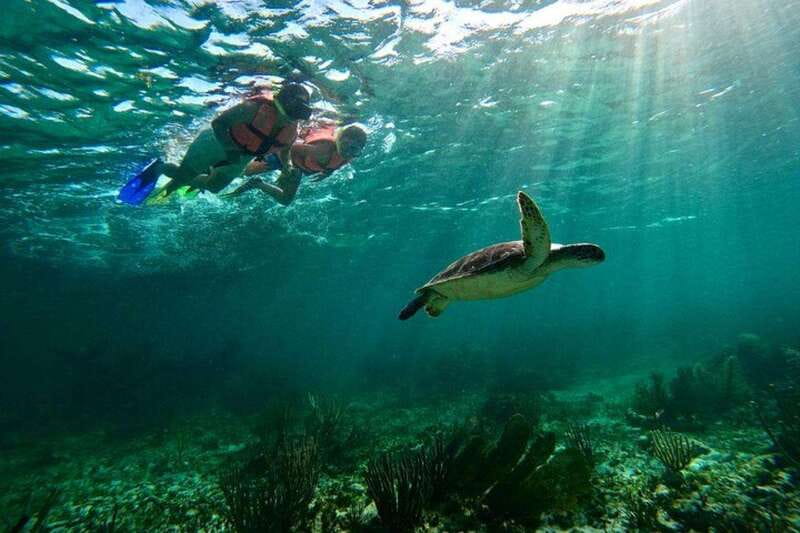
- Two snorkeling sessions (40 minutes each) at different reef spots for more variety
- Top-quality snorkeling equipment that keeps your experience comfortable
- A live local guide who explains the reef ecosystem while you’re in the water
- World-class reef setting in Puerto Morelos National Park, part of the Mesoamerican reef system
- A small group (10 or fewer) so you’re not fighting for attention
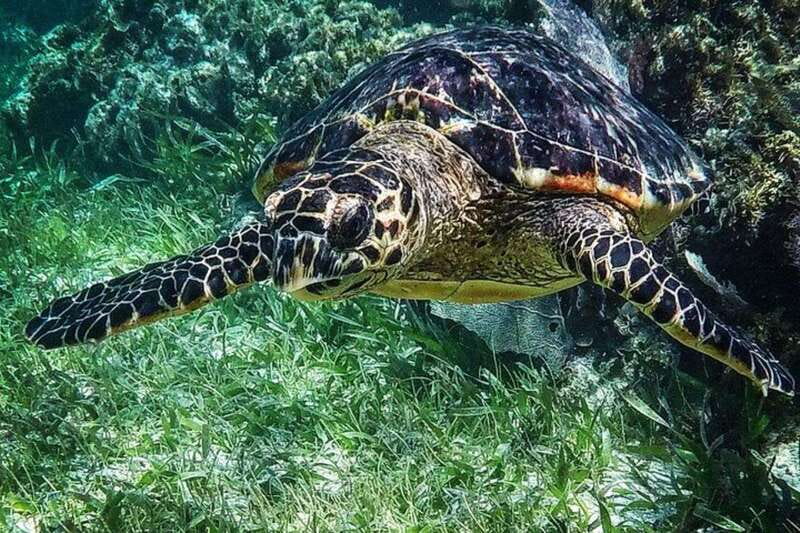
- Real-life sightings like turtles, rays, barracudas, and more
Puerto Morelos National Park: why this reef is special
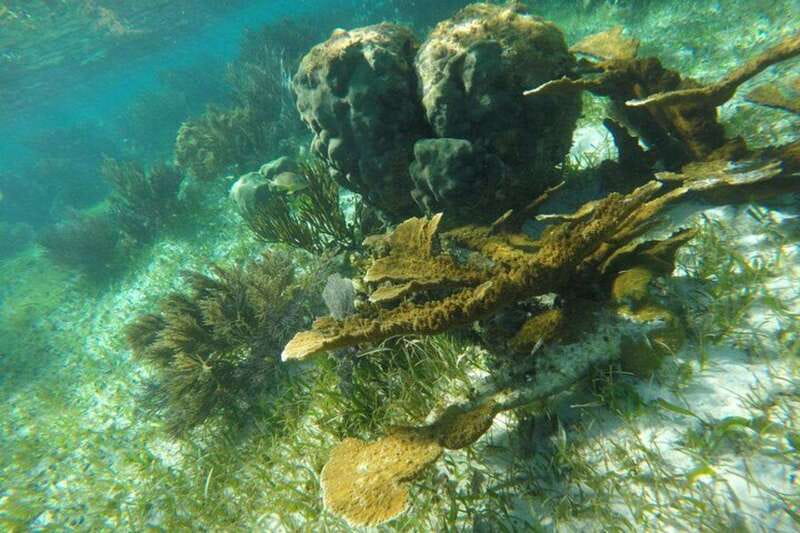
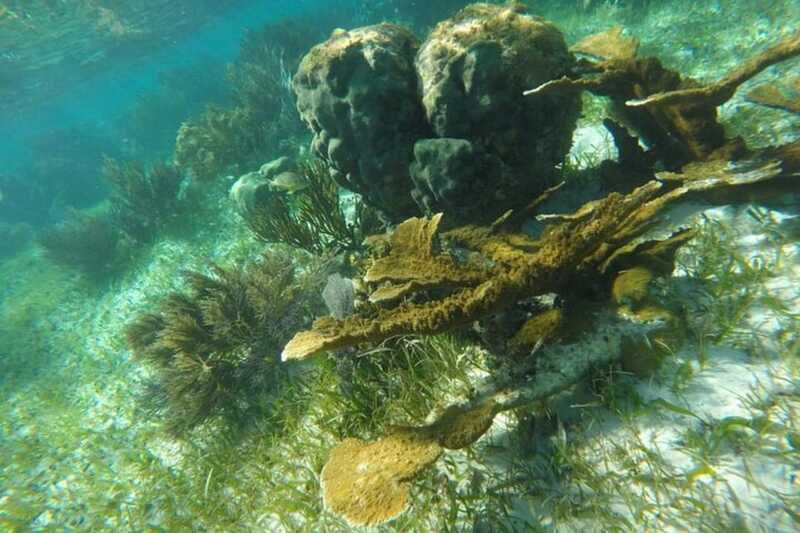
Puerto Morelos sits on the Mesoamerican Barrier Reef system. This tour focuses on Puerto Morelos National Park, where you’re not just snorkeling near coral—you’re snorkeling inside an active protected ecosystem.
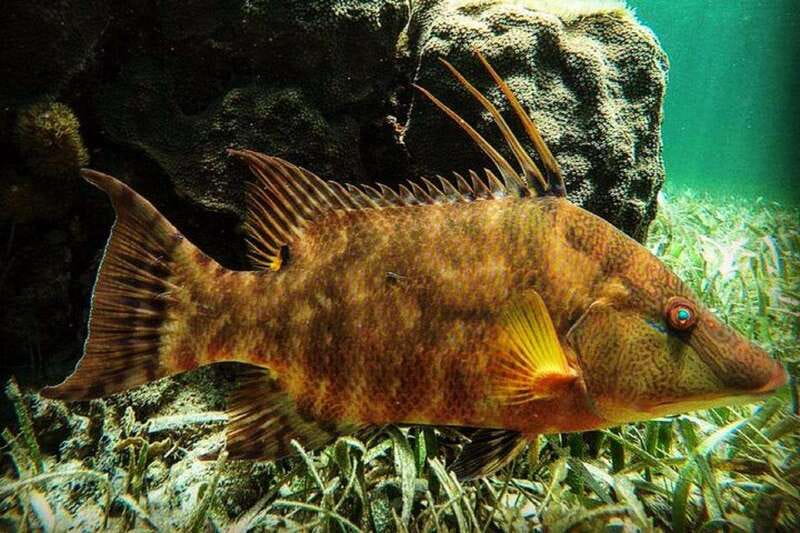
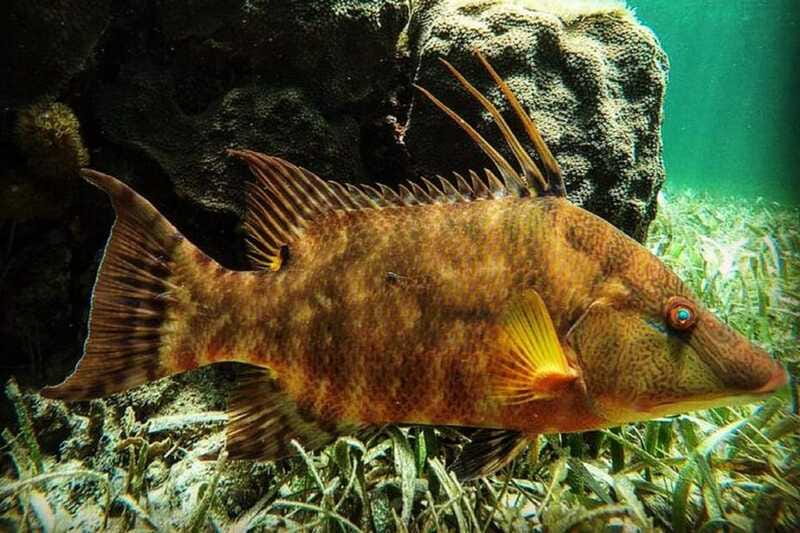
The big selling point is simple: you’re in an area that supports over 800 marine species. That number matters because it usually means you’ll see more than one kind of fish and a random coral patch. Instead, you tend to get a mix—colorful schools, reef life hanging around coral formations, and occasional larger visitors.
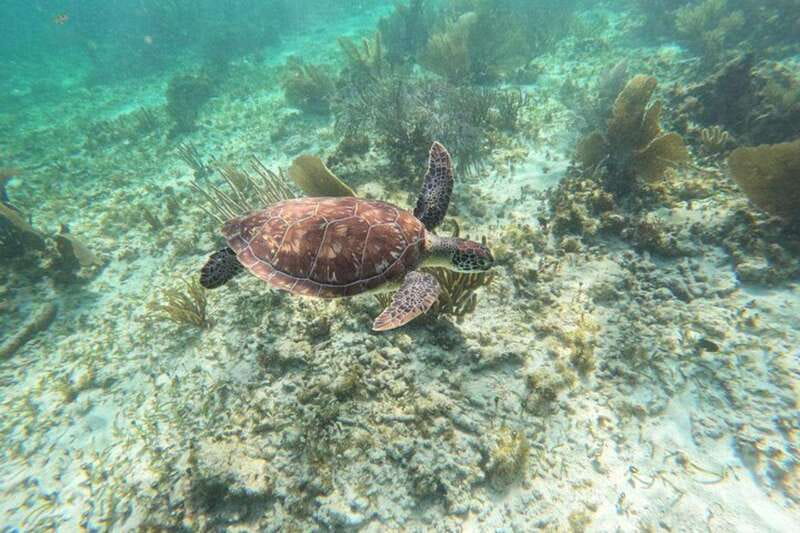
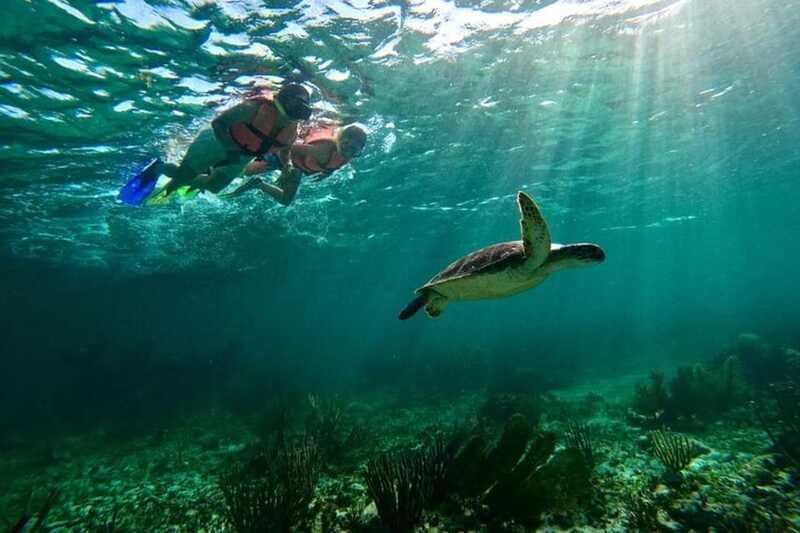
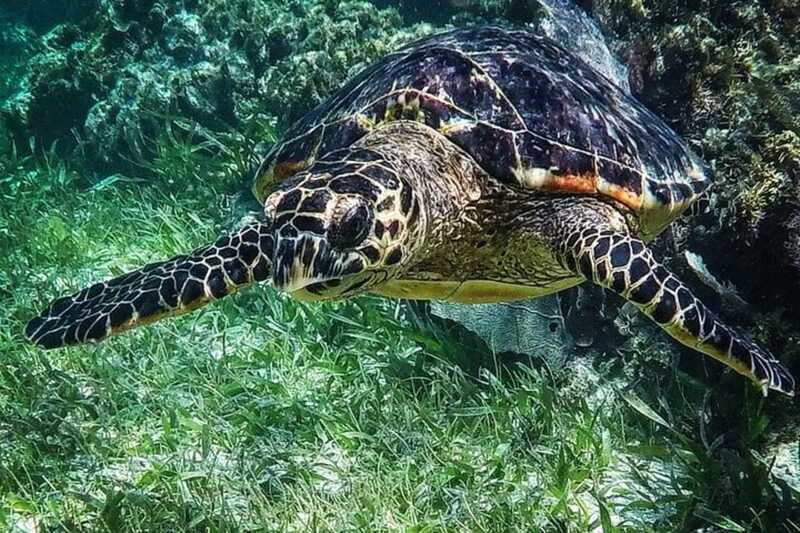
And yes, you can also expect the sightings people come for. In the experiences shared by past guests, the hit list includes turtles, rays, barracudas, and even mantas in the wider mix. You may also spot other surprises when conditions line up and your guide knows where to look.
You can also read our reviews of more guided tours in Puerto Morelos
Two stops in 2 hours: how the timing works on your body
This is a 2-hour experience, and the time is used efficiently. You’re not out there for a half day. You’re out long enough to actually settle into snorkeling, see multiple areas, and still return to shore without turning it into a slog.
Here’s the flow you should expect:
- A safety briefing and equipment setup at the start
- A short ride out to the reef area (quick, so you’re not waiting around)
- Two snorkeling sessions, 40 minutes each, at different snorkeling spots
- Back to the beach after the second stop
The reason this matters: snorkeling is tiring in small ways. The fins can fatigue your legs. The mask can bother your face. Breathing gets weird if you’re stressed. Breaking the experience into two focused sessions gives your brain a reset. You switch locations and see new coral and new fish behavior, without having to push through one long, repetitive swim.
If you’re a nervous beginner, that chunking helps. If you’re a repeat snorkeler, the two-location plan helps too, because it increases your odds of seeing different species and coral types.
Your guide’s job: more than pointing fish
In calm water, it’s easy to think snorkeling is mostly about luck. This tour leans the other way. You’ll have a live guide whose job is to keep you safe and help you make sense of what you’re seeing.
That ecosystem talk is more useful than it sounds. Coral isn’t just decoration. It’s habitat. Fish behavior changes depending on cover, currents, and food sources. When a guide explains what you’re looking at—like why certain fish linger near coral or what makes the reef function—you start noticing details you’d normally miss.
You’ll also benefit from guide navigation. Reef snorkeling can feel like “where am I supposed to go?” at first. A good guide helps you get your bearings fast and keeps you from wasting energy fighting your own direction.
One small plus I like from real-world experiences: guides can be willing to help with personal touches, like getting a close-up phone video of a sea turtle if you’re trying to capture the moment. That kind of attention turns the tour from just sightseeing into a memory you can actually recreate later.
What you’ll see underwater (and what changes by spot)
This tour uses two unique snorkeling spots inside the protected area. That’s the key to variety.
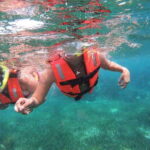
At the first spot, you’ll likely spend time getting comfortable and scanning for movement around coral. Reef fish tend to show up in layers: small fish darting through coral heads, medium swimmers cruising edges, and occasional bigger visitors cruising the area. This is where turtles and rays can sometimes appear, depending on conditions.
At the second spot, things often feel different. Another area means different coral structure, different micro-currents, and different fish routines. That’s why your second session matters. You’re not just repeating the first stop for longer—you’re getting a second chance at different kinds of life.
Based on past snorkel experiences, common sightings include:
- Turtles
- Rays
- Barracudas
- Colorful reef fish
- Occasional larger surprises (including mantas or other impressive marine life)
Reality check (in a good way): the ocean isn’t a zoo. You won’t control what shows up on your schedule. What you can control is having a guide who knows the reef pattern and having enough time at each spot—40 minutes is long enough for life to come and go rather than forcing you to sprint for one perfect view.
Equipment and comfort: the difference between fun and frustrating
Your gear is included, and that matters more than you’d think. A decent snorkel setup can keep you relaxed, which helps you breathe normally and stay calm while you watch the reef.
Because equipment is provided, you can travel lighter and avoid the “where’s my mask?” panic. You’ll also get a briefing on how to use it properly, which makes a big difference for first-timers.
Two practical notes I’d plan around:
- Wear clothes to help protect yourself from the sun. Reef time can be short, but sun burns happen fast.
- Bring a towel. You’ll want it after you’re back on shore, especially if you’re heading to lunch or walking around town afterward.
If you wear prescription glasses: your best move is to ask ahead about any prescription mask option. One past guest noted there wasn’t a strength option, so don’t assume you’ll have a solution once you arrive.
You can also read our reviews of more snorkeling tours in Puerto Morelos
Sun rules in the park: why sunscreen gets banned
One of the most important rules here is that sunscreen is prohibited in the protected area. That isn’t a random inconvenience. It’s there to protect marine life and the water quality in a sensitive reef environment.
So plan your sun protection accordingly. The tour specifically advises you to wear clothes to protect yourself from the sun. Think: breathable long sleeves, a rash guard, or other covered swimwear that you’re comfortable in.
This changes the way you prep compared to many beach days in Mexico. Instead of relying on sunscreen, you’ll rely on fabric, shade, and timing. If you’re the type who usually goes heavy with sunscreen, this is your reminder to pack differently.
Price and value: what $35 buys you in real reef time
At $35 per person for a 2-hour guided snorkeling experience, you’re paying for three things: access to the reef area, professional guidance, and gear. You’re not paying for a meal or a long day at sea.
For value, the key question is whether you get enough underwater time and enough help to make it worthwhile. Here, you do:
- You get two snorkeling spots, not just one
- You get equipment included
- You get a live guide during the experience
- The group is limited to 10 participants, which usually means less waiting and more attention
It’s also a price point that makes sense if you want a reef experience without committing to a full-day excursion. If you’re visiting Puerto Morelos and want one very focused ocean outing, this fits nicely.
If you’re looking for a luxury floating party, this isn’t that kind of tour. It’s a practical, reef-focused session.
Who this tour is best for
This works best for people who want guided reef snorkeling with minimal fuss. Specifically:
- First-time snorkelers who want safety and support plus an explanation of what they’re seeing
- Casual reef fans who want two reef locations without a long day
- Families or mixed groups who benefit from a small group size and a guide managing the pace
- People who like being out for a short, concentrated burst and then getting back to town
It’s less ideal if:
- You require a specific prescription mask solution and you’re not sure one is available
- You need very strict English-only interpretation and want zero chance of language imbalance in the group
Also, it’s listed as wheelchair accessible, which is helpful for travelers who plan around mobility needs. You’ll still want to consider your own comfort with getting in and out of the water based on your situation.
Small-group reality: why 10 people feels better
A group limit of 10 participants is a big deal in the water. The ocean environment can turn chaotic fast when everyone is trying to adjust masks, settle fins, and look in different directions.
With a smaller group:
- You’re more likely to get help when you need it
- The guide can keep a better eye on everyone
- You’ll spend more time watching the reef and less time waiting in awkward clusters
That also helps the “two spot” plan work smoothly. You’re not trying to manage a crowd across two snorkeling locations. You’re moving in a tighter, more controlled rhythm.
Should you book this Puerto Morelos snorkeling tour?
If you want a guided reef experience with two different snorkeling stops, included gear, and a small group, I’d say yes. This is a strong choice for people who care about both the view and the meaning behind what they’re seeing.
Book it if:
- You want to see a mix of reef life (and have the guide help you find it)
- You prefer a short, efficient outing over a long day
- You like the idea of learning how the reef ecosystem works while you snorkel
Think twice if:
- You need a prescription-strength snorkel mask and you’re not confident one will be available
- You’re very sensitive to language balance and you require all explanations in a specific language
FAQ
FAQ
How long is the snorkeling activity?
It lasts 2 hours.
How much does the tour cost?
The price is $35 per person.
How many snorkeling spots are included?
You’ll snorkel at two different spots in the reef.
What snorkeling time do you get at each spot?
You’ll spend 40 minutes at each snorkeling location.
What’s included in the price?
Snorkeling equipment and a live tour guide are included.
Are meals or beverages included?
No, meals and beverages are not included.
What languages are the guides available in?
The live tour guide is available in English and Spanish.
Is sunscreen allowed in the protected area?
No. Sunscreen is prohibited to help protect the marine environment.