REVIEW · CANCUN
PADI Open Water Diving Certification Course Activity
Book on Viator →Operated by Coconut Divers · Bookable on Viator
Scuba skills in Cancun are a confidence-builder. This PADI Open Water course pairs smart instruction with two standout underwater goals: the Underwater Museum of Art (MUSA) and a day out around Isla Mujeres. If you’re after a first-time certification that feels structured but not stressful, this is a strong match.
I especially like that you don’t have to hunt down rentals. Your scuba gear is included, so you can focus on learning. I also love the small-group setup (max 4), where questions actually get answered in plain, clear English—my instructors lineup included Manuel and Ulysses, with Captain Ricardo keeping the boat plan on track and photographer Poncho capturing the moments.
One thing to plan for: the base price does not cover government fees and the wetsuit. Add those extras (and remember the course needs good weather), and your final total will be a bit higher than the headline number.
In This Review
- Key highlights at a glance
- First morning at Coconut Divers: an 8:00 start that makes sense
- What the small group really changes for your learning
- How the course builds confidence: theory, pool skills, then open water
- Stop 1: Museo Subacuatico de Arte (MUSA) and why it’s a smart first target
- Isla Mujeres: more variety after MUSA
- The boat and rough-sea nerves: how Captain Ricardo helps
- Gear situation: what’s included vs. what costs extra
- Price and value: why $559 can be fair (not just cheap)
- Weather and safety reality in Cancun
- Who this course is best for (and who might want a different plan)
- Should you book Coconut Divers for PADI Open Water in Cancun?
- FAQ
- What is included in the PADI Open Water course price?
- How many days does the course take?
- Where does the course take place?
- What time does the activity start?
- Do I need scuba equipment, or is it provided?
- What costs are not included in the price?
- What certification do I receive?
- What group size should I expect?
- Is the course offered in English?
- What happens if weather is poor?
Key highlights at a glance
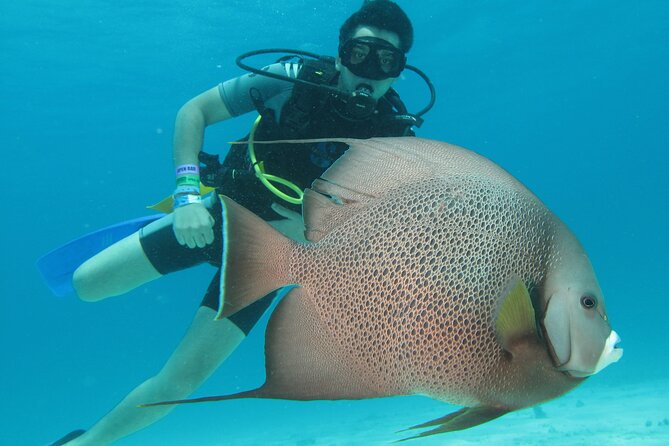
- Small group (max 4 travelers) means more instructor time
- Scuba equipment included so you can travel lighter
- Four open-water sessions with MUSA included
- MUSA + Isla Mujeres gives you two different underwater settings
- Clear English instruction plus photo support from Poncho
First morning at Coconut Divers: an 8:00 start that makes sense
Your day begins at Coconut Divers, at the Hotel and marina Sotavento area on Blvd. Kukulcan Km 4.0. The start time is 8:00 am, and since you return to the same meeting point to end, the whole course stays simple and predictable.
This matters more than you’d think. When you’re new to open-water training, scattered logistics can add stress. Here, you get a clean start time, a clear home base, and a place for your things. The setup includes a safe, clean storage area for personal gear, plus a classroom space if you need to settle between sessions.
You can also read our reviews of more scuba diving tours in Cancun
What the small group really changes for your learning
You’ll likely be in a group of up to 4 people. That’s a big deal for a course like this, because the hardest part of early scuba training is not the gear—it’s the calm, correct habits. Small groups make it easier to slow down when you need a second explanation.
In real life, that means you’re not waiting your turn while your comfort level drains. My instructors (Manuel and Ulysses) spoke clearly in English, and you could tell they were comfortable answering follow-up questions. If you like hands-on guidance and quick corrections, this format is built for you.
How the course builds confidence: theory, pool skills, then open water
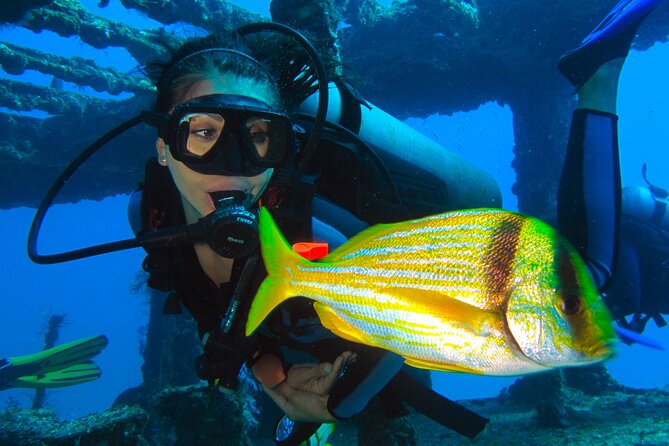
The rhythm is: theory + pool class, then open-water sessions in the Caribbean. This structure works because it separates learning into the right chunks.
First comes the classroom theory and your PADI materials. Even if you’re not a textbook person, the payoff is practical: you’ll understand what you’re doing underwater before you’re asked to do it.
Then you’ll move into the pool for skills practice. Pool work is where you get repeated motions without the ocean adding complexity. When you finally head out, you’re not trying to figure out basic control while also coping with water conditions. It’s the most efficient path to feeling steady.
Stop 1: Museo Subacuatico de Arte (MUSA) and why it’s a smart first target
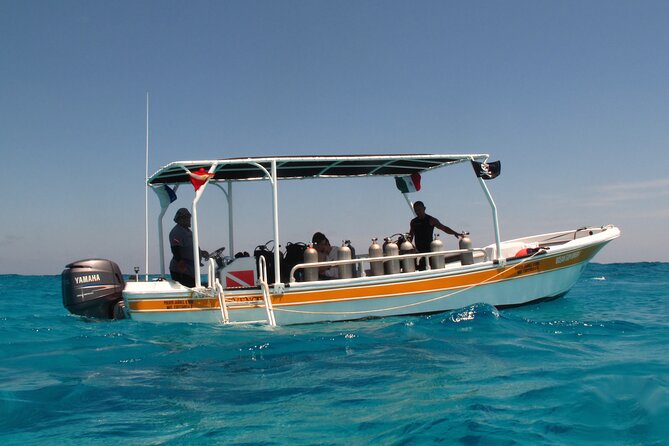
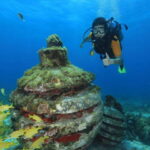
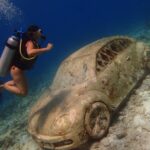
MUSA is a standout part of this program, and for a good reason. It’s not just about seeing fish—it’s about seeing something you can recognize and react to underwater: art installations made for the sea.
For first-time certification students, that kind of visual anchor can be helpful. When you’re learning buoyancy and basic procedures, it’s easier to stay calm when you have something meaningful to look at besides gauges and breathing rhythm. MUSA gives you that focus.
This course also includes MUSA as part of the four ocean outings. So you’re not rushing through it as a quick bonus. You get time for the learning experience to settle in, with the underwater museum becoming one of the main goals of the day.
A possible consideration: MUSA is popular, and you’re learning in a real environment. So if you’re the type who gets distracted easily, plan to slow down mentally. Put your attention on your body position, your breathing, and listening to your instructor first—then let the art sink in.
Isla Mujeres: more variety after MUSA
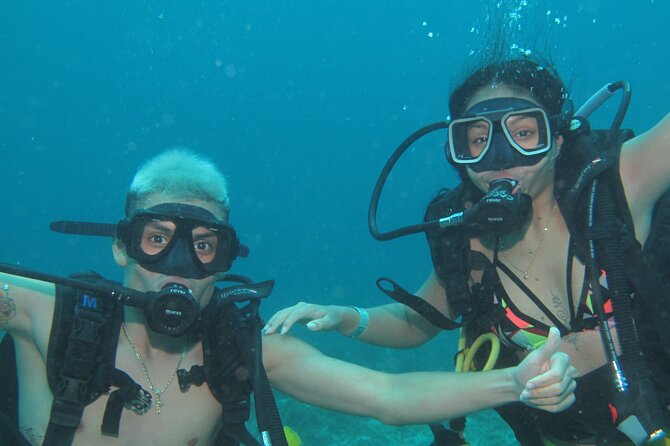
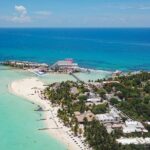
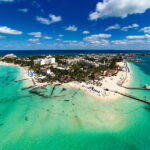
After MUSA, the itinerary continues to Isla Mujeres. The value here is variety. MUSA gives you a specific underwater landmark; Isla Mujeres adds a sense of place and helps your certification feel connected to the region, not just a single site.
You’ll spend your training time in the ocean across four sessions overall, and the inclusion of both MUSA and Isla Mujeres helps keep your experience from feeling one-note. If you’re planning to use this course as part of a Cancun trip (not just a box to check), that variety is what makes it memorable.
The boat and rough-sea nerves: how Captain Ricardo helps
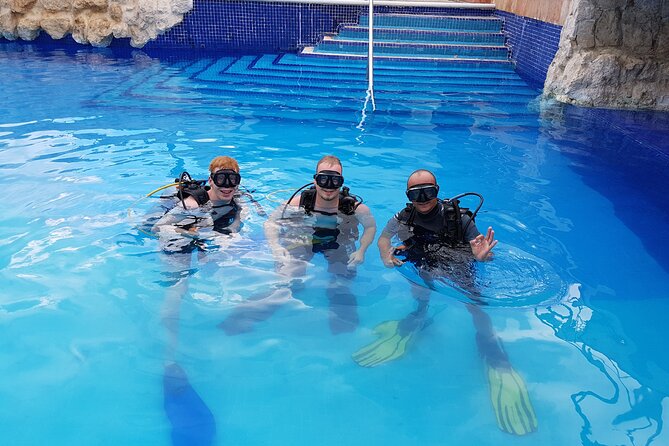
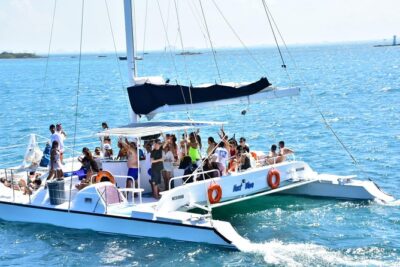
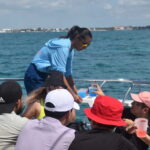
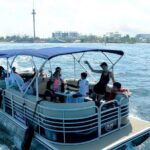
One of the most reassuring bits I picked up from the experience is how the team handles conditions. My group had a tight schedule and I was worried about rough seas messing up the plan. Instead, Captain Ricardo got everyone out there without drama, and the course continued as expected.
That’s the kind of confidence you want on day one. When you’re learning how to manage your breathing and equipment underwater, you don’t need extra uncertainty on the surface. A steady captain and clear communication can make the whole training feel smoother.
Gear situation: what’s included vs. what costs extra
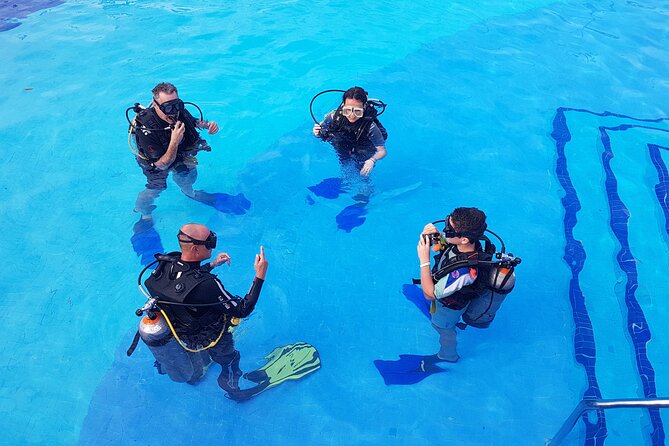
Good news first: you’ll have use of scuba equipment included. That usually covers the core hardware you’ll need for the training. It’s a practical win if you’re flying in, because you won’t have to pack bulky diving gear.
What’s not included is a wetsuit rental (listed at $10 per person) and government fees ($20 per person). So even though $559 is the headline price, think in terms of a final total that includes those add-ons.
If you hate surprises, set aside time in your budget for:
- $20 per person government fees
- $10 per person wetsuit rental
(And keep in mind that the course depends on good weather.)
Price and value: why $559 can be fair (not just cheap)
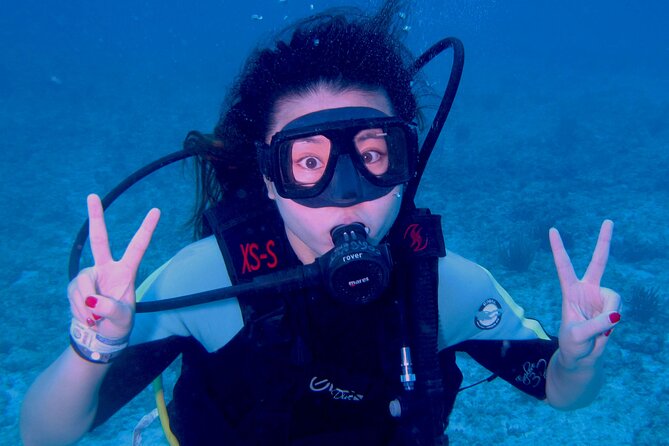
At $559 per person for roughly 2 days, this course stacks up well because you’re paying for more than the card.
You’re getting:
- PADI materials
- Theory and pool class
- Four ocean sessions, including MUSA
- Scuba equipment use
- Certification that’s valid lifetime worldwide
That matters for value. Many travel purchases feel like you’re buying transport or time in a group chat. This feels more like you’re buying a structured skill path: classroom → pool → open water, with the certification end point included.
Also, the small group cap (max 4) is a real part of value. With fewer students, you typically get more hands-on attention and faster feedback. In scuba training, that can shorten the time it takes to feel comfortable—and that’s worth money.
Weather and safety reality in Cancun
This experience requires good weather. That’s not a loophole; it’s basic safety. If conditions aren’t right, you may be offered another date or a refund instead of forcing the course.
Here’s how to think about it as a traveler: build this activity early in your trip window. If you schedule it on the last day and the weather pushes it, you’ll feel the squeeze. If it’s earlier, you can absorb a change without ruining the rest of your vacation.
You should also know the experience notes medical factors such as diabetes, asthma, high or low blood problems, and recent surgeries. The smart move is to check your own situation carefully before booking and follow any guidance provided by the operator about whether you’re cleared to participate.
Who this course is best for (and who might want a different plan)
This course fits you if:
- You want PADI Open Water in Cancun with a structured path
- You prefer a small group and lots of time to ask questions
- You want MUSA and Isla Mujeres as part of the same certification effort
- You appreciate clear English instruction and practical coaching
It may not be your best choice if:
- You need a flexible schedule that can’t handle weather-related rescheduling
- You strongly dislike the idea of extra on-site costs like wetsuit rental and government fees
- You don’t want any ocean time at all (this is an ocean-based certification)
If you’re planning a future beach-and-reef trip, the payoff is that you’ll have a widely recognized certification you can use long-term, worldwide.
Should you book Coconut Divers for PADI Open Water in Cancun?
I’d book this if you want a first certification that’s organized, calm, and anchored by two memorable underwater goals. The small group limit, included scuba equipment, and the fact that MUSA is built into your training make it a better deal than many “standard” certification setups. Plus, the team’s ability to keep things moving (including Captain Ricardo getting the outing done) is exactly the kind of reassurance you want on day one.
Before you commit, do two quick checks: budget for the listed extra fees (government and wetsuit) and pick dates early enough to handle weather changes. If you handle those two things, this is the kind of course that can turn snorkeling curiosity into real confidence.
FAQ
What is included in the PADI Open Water course price?
The price includes PADI materials, theory and pool class, four ocean sessions including the Underwater Museum of Art (MUSA), and use of scuba equipment. The certification is valid lifetime worldwide.
How many days does the course take?
The course lasts about 2 days.
Where does the course take place?
It runs in Cancun, Mexico, starting from Coconut Divers Hotel and marina Sotavento, and includes sessions at the Underwater Museum of Art (MUSA) and Isla Mujeres.
What time does the activity start?
The start time is 8:00 am.
Do I need scuba equipment, or is it provided?
Scuba equipment is provided as part of the experience.
What costs are not included in the price?
Government fees of $20 per person and wetsuit rental of $10 per person are not included.
What certification do I receive?
You receive PADI Open Water certification, valid lifetime worldwide.
What group size should I expect?
The experience has a maximum of 4 travelers.
Is the course offered in English?
Yes, the experience is offered in English.
What happens if weather is poor?
The experience requires good weather. If it’s canceled due to poor weather, you’ll be offered a different date or a full refund.